
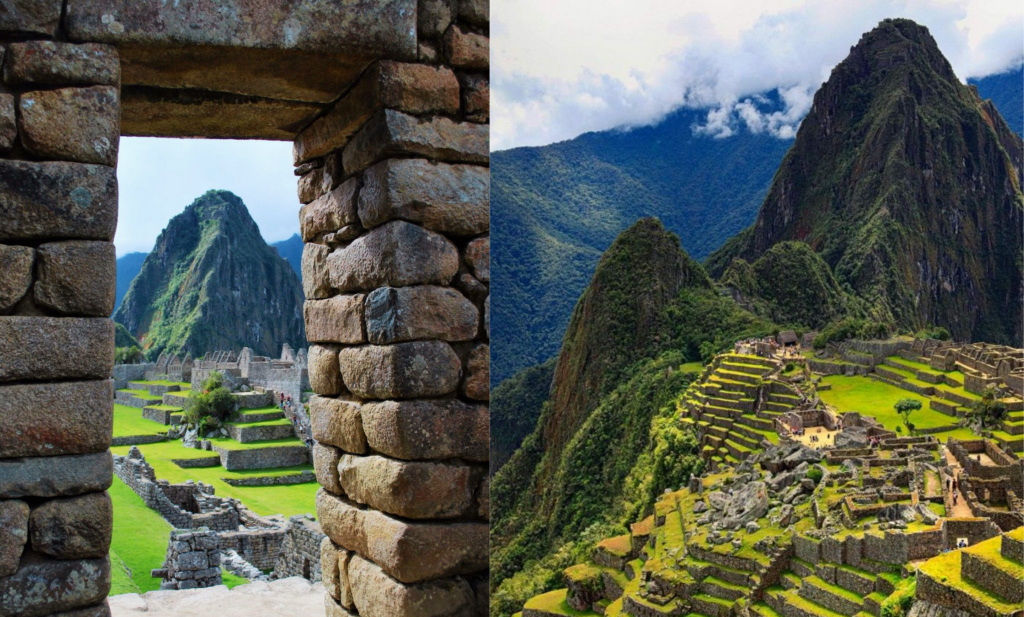
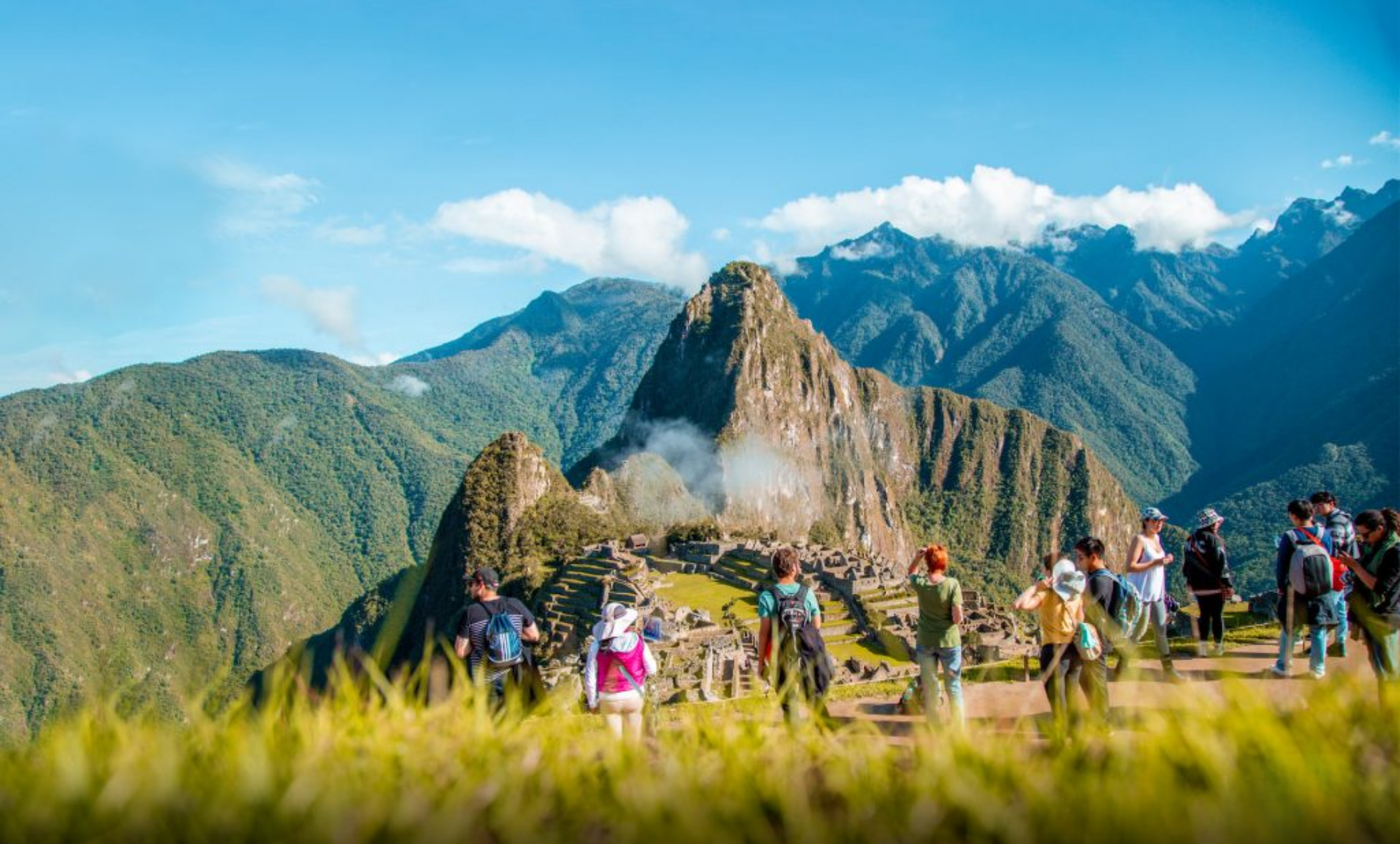
Close your eyes and imagine a city carved by sheer genius, suspended among the clouds, surrounded by snowcapped peaks and embraced by the rushing waters of the Urubamba River. This place is Machu Picchu, one of the greatest jewels of the Inca Empire and a living testament to a remarkably wise civilization that understood the cosmos like no other. It is a destination found on every traveler’s bucket list.
But do you really know what lies behind this perfect postcard? Do you truly know the history of Machu Picchu?
Here, we will uncover the history of Machu Picchu, reveal who built Machu Picchu, why Machu Picchu was built, the mystery behind its abandonment, and how the discovery of Machu Picchu introduced it to the modern world.
The origin of the Inca Citadel is the foundation of its legend. The history of Machu Picchu dates back to the golden age of the Tahuantinsuyo, more than 500 years ago.
Archaeological and historical research indicates that construction began in the mid-15th century (around 1450 AD) during the reign of Pachacutec (Cusi Yupanqui), the ninth Inca and the great transformer of the Inca Empire.
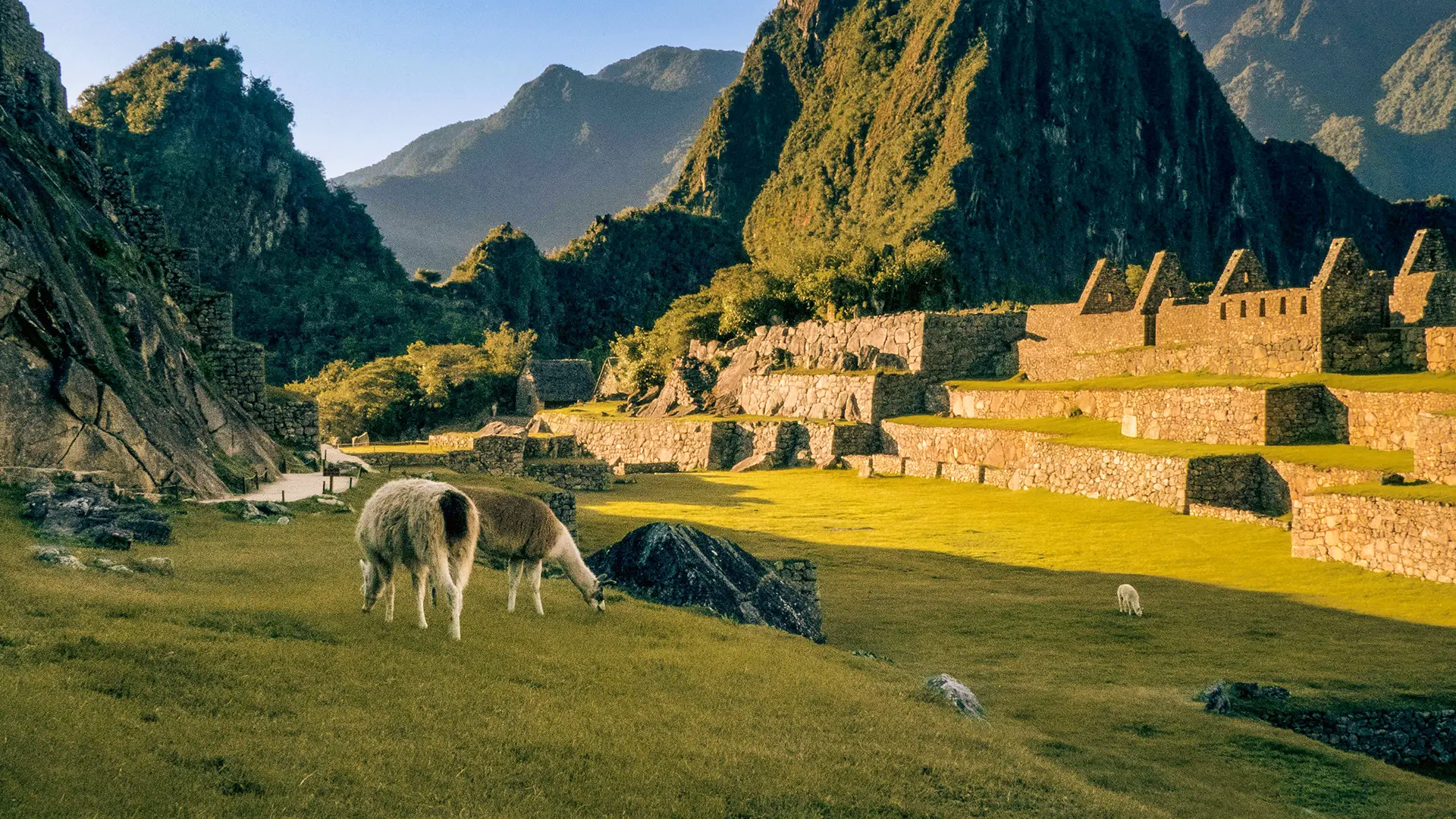
Pachacutec is the central figure when discussing who built Machu Picchu. He was the visionary who expanded Inca rule and the strategist who conceived this elite retreat. Machu Picchu was not built by slaves, but by thousands of mitimaes (colonists) and yanaconas (servants) brought from across the empire, using an unmatched construction technique known as ashlar masonry, where stones fit together perfectly without mortar.
Machu Picchu was neither a capital nor a commercial center, but an elite settlement with dual and sacred purposes. The answer to why Machu Picchu was built lies in two main functions:
Traveler Tip: The hydraulic engineering of Machu Picchu is as impressive as its stone walls. The Incas built drainage channels that still function today, diverting rainwater to prevent the citadel from collapsing. A true ancient genius!
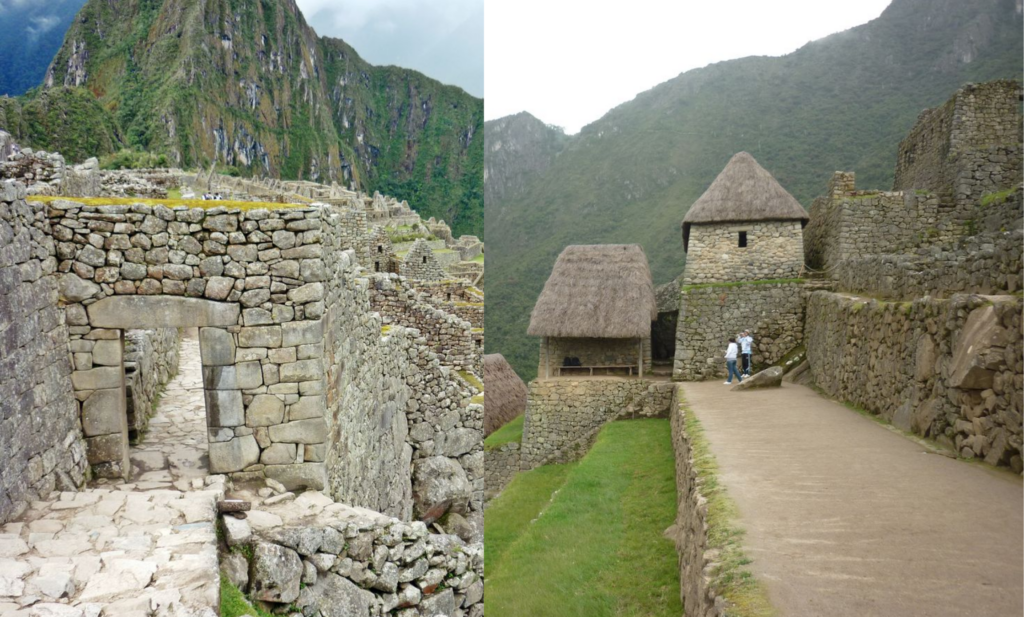
One of the most enigmatic aspects of Machu Picchu is how such a masterpiece faded into obscurity.
When Spanish conquerors arrived in 1532, the citadel was already in decline. Unlike Cusco and other Inca centers, Machu Picchu was never found or looted by the invaders.
It is believed that the city was gradually abandoned—not by force, but due to:
The high jungle (ceja de selva) reclaimed the site, covering the architecture and turning it into a local legend known only to a few farmers who cultivated the land.
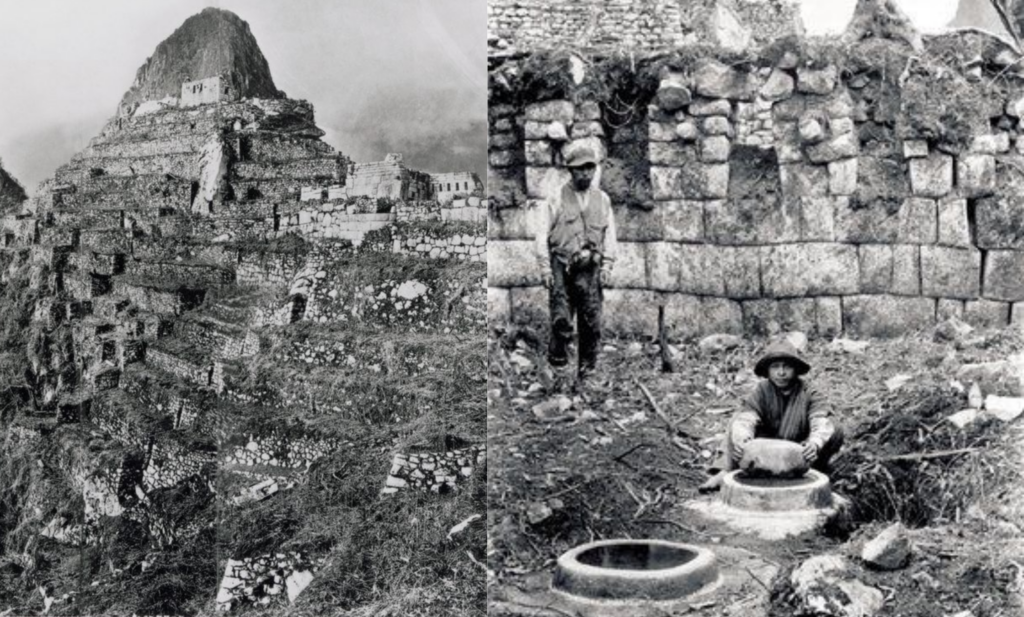
Although local inhabitants such as Agustín Lizárraga had visited the ruins earlier, it was American explorer and historian Hiram Bingham who introduced Machu Picchu to the world.
On July 24, 1911, Bingham, from Yale University, arrived in the area searching for the legendary “last Inca capital,” Vilcabamba. Guided by Melchor Arteaga and a local boy, he encountered the monumental citadel hidden beneath dense vegetation. His astonishment and subsequent publications in National Geographic marked the true discovery of Machu Picchu for the modern world, transforming it into the global icon we know today.
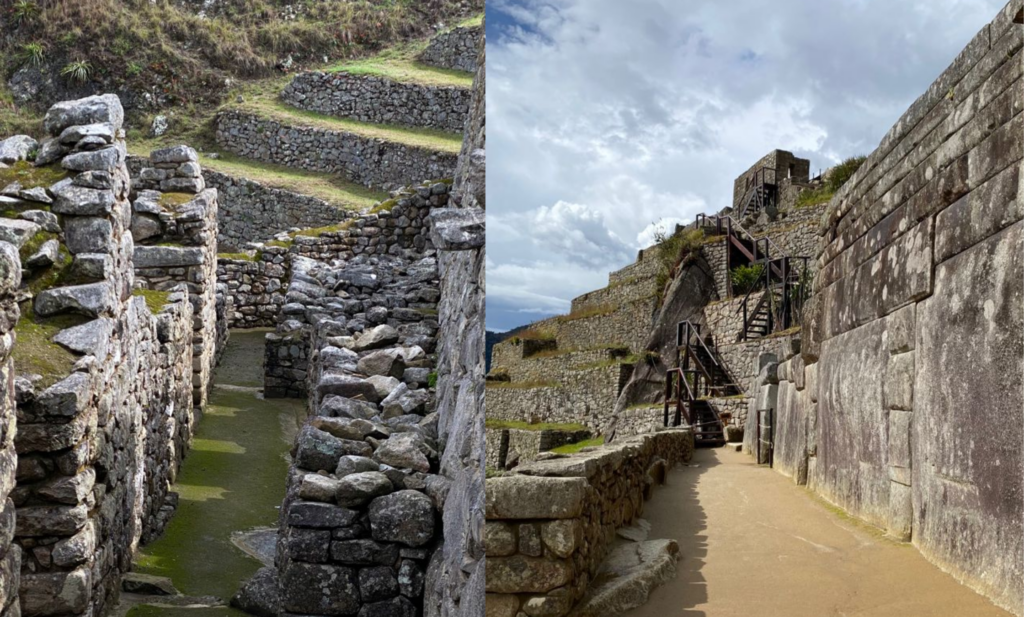
Your visit to the Lost Citadel should be a full immersion into its sacred architecture and breathtaking landscapes.
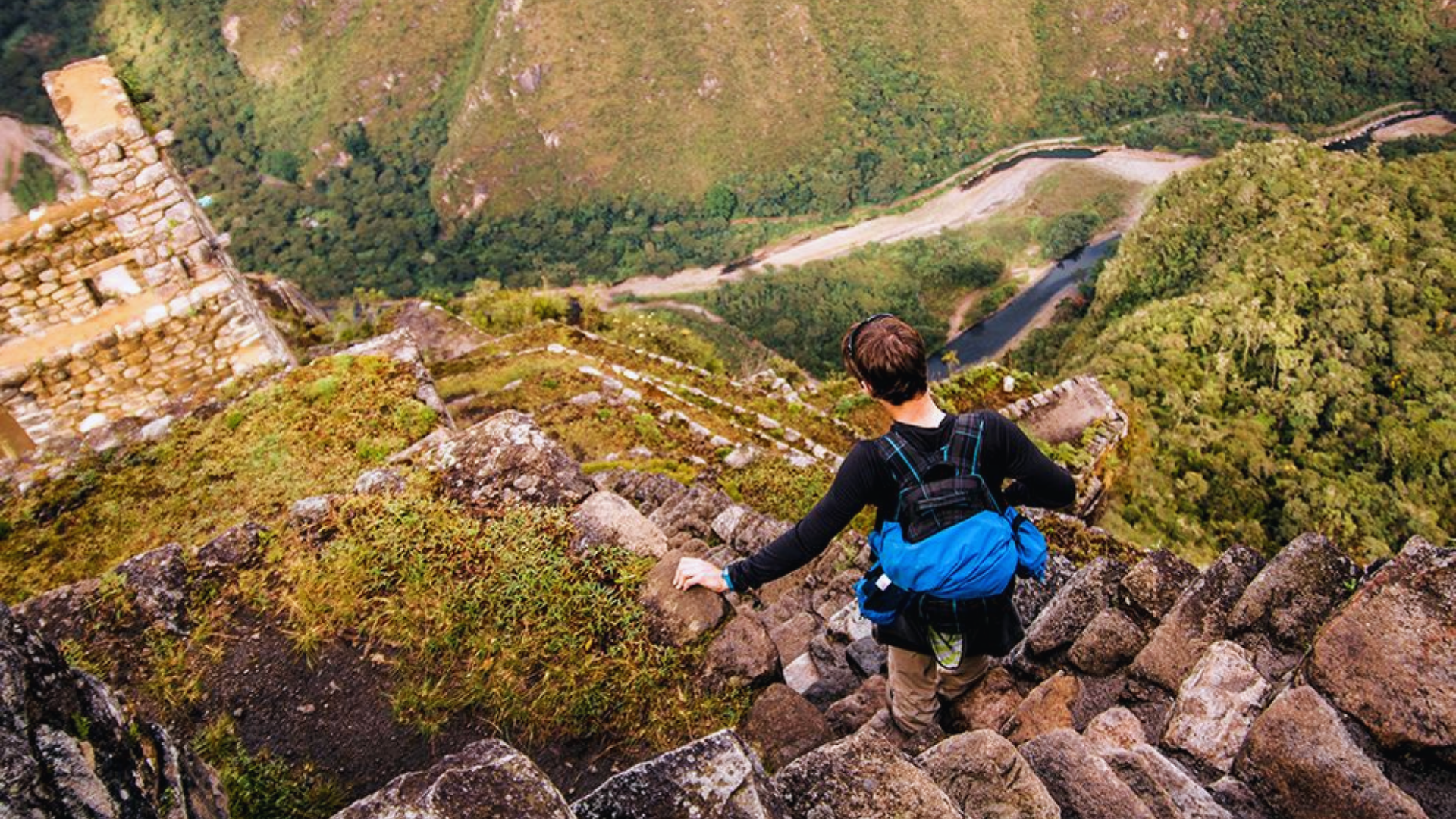
To maximize your experience, several routes allow you to appreciate different perspectives of the citadel:
The Machu Picchu journey is enriched by the charm of its base town and the surrounding culture.
Aguas Calientes (Machu Picchu Pueblo) is the main access point to the citadel. Take your time—the town offers a unique jungle-and-mountain atmosphere.
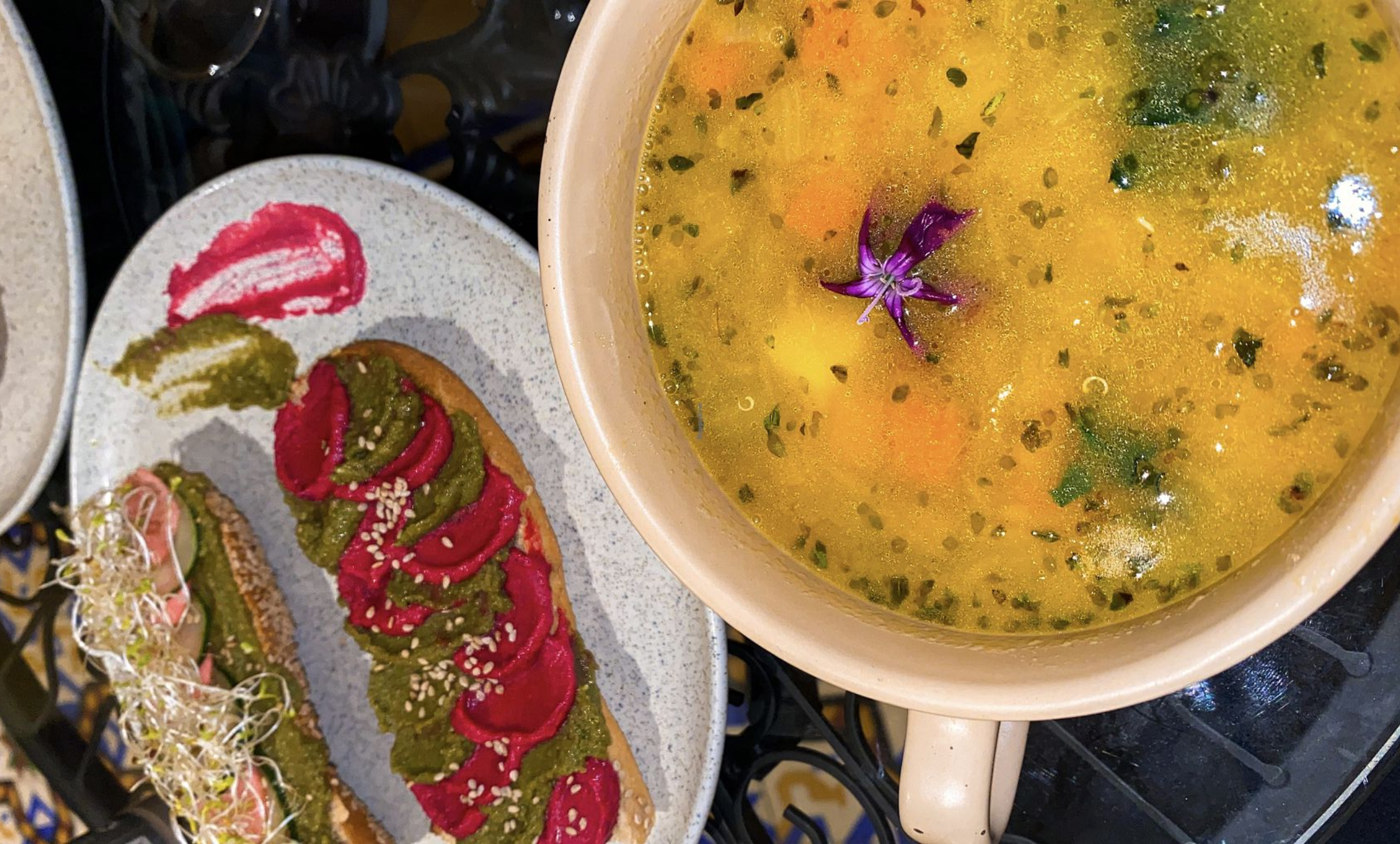
Local cuisine here is energizing and nutritious, relying largely on naturally cultivated regional products:
Important Note: Always carry water in a reusable bottle. Machu Picchu authorities restrict single-use plastics to protect this fragile ecosystem. Be a responsible traveler!
Planning your visit to this world wonder is easier with guidance from a local expert.
| Aspect | Essential Details |
| Best Season | April to October: Dry season with sunny days and cool nights, ideal for hiking. |
| Acclimatization | Essential. Spend 2–3 days in Cusco (3,400 m.a.s.l.) or the Sacred Valley (lower altitude) before visiting to avoid altitude sickness. |
| Tickets | Book 3–4 months in advance! Entry is limited for conservation. AndeXperience handles your reservations. |
| How to Get There | Train (scenic route): From Ollantaytambo or Poroy to Aguas Calientes. Bus: From Aguas Calientes to Machu Picchu entrance (25 min). |
| What to Bring | Hat, sunglasses, sunscreen, insect repellent, comfortable layered clothing, and original passport. |
| Guide | Hiring an official guide is mandatory for first entry and highly recommended. They reveal the full story you won’t discover alone. |
As a local expert operator, we ensure a seamless and meaningful experience:
We have explored the history of Machu Picchu—from Pachacutec’s vision and its sacred purpose to the emotional discovery of Machu Picchu. This wonder is not merely a collection of ruins; it is a gateway to ancestral wisdom, untamed nature, and human excellence.
Peru offers an adventure that goes beyond sight—it touches the soul. Here, history is not read; it is felt.
Stop dreaming about Machu Picchu. It’s time to explore it.
Discover this unforgettable experience with AndeXperience Travel Agency.
Book your next adventure with us and live the authentic Peru.









Company name: Andexperience Travel Agency S.A.C.
Ruc: 20614773210



Copyright © 2026. AndeXperience Travel. All Right Reserved