
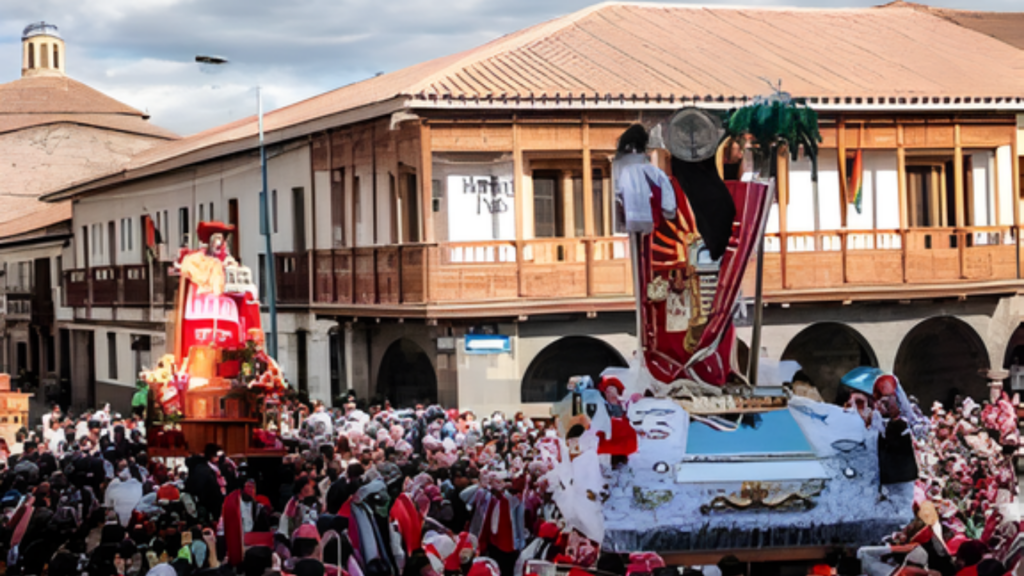
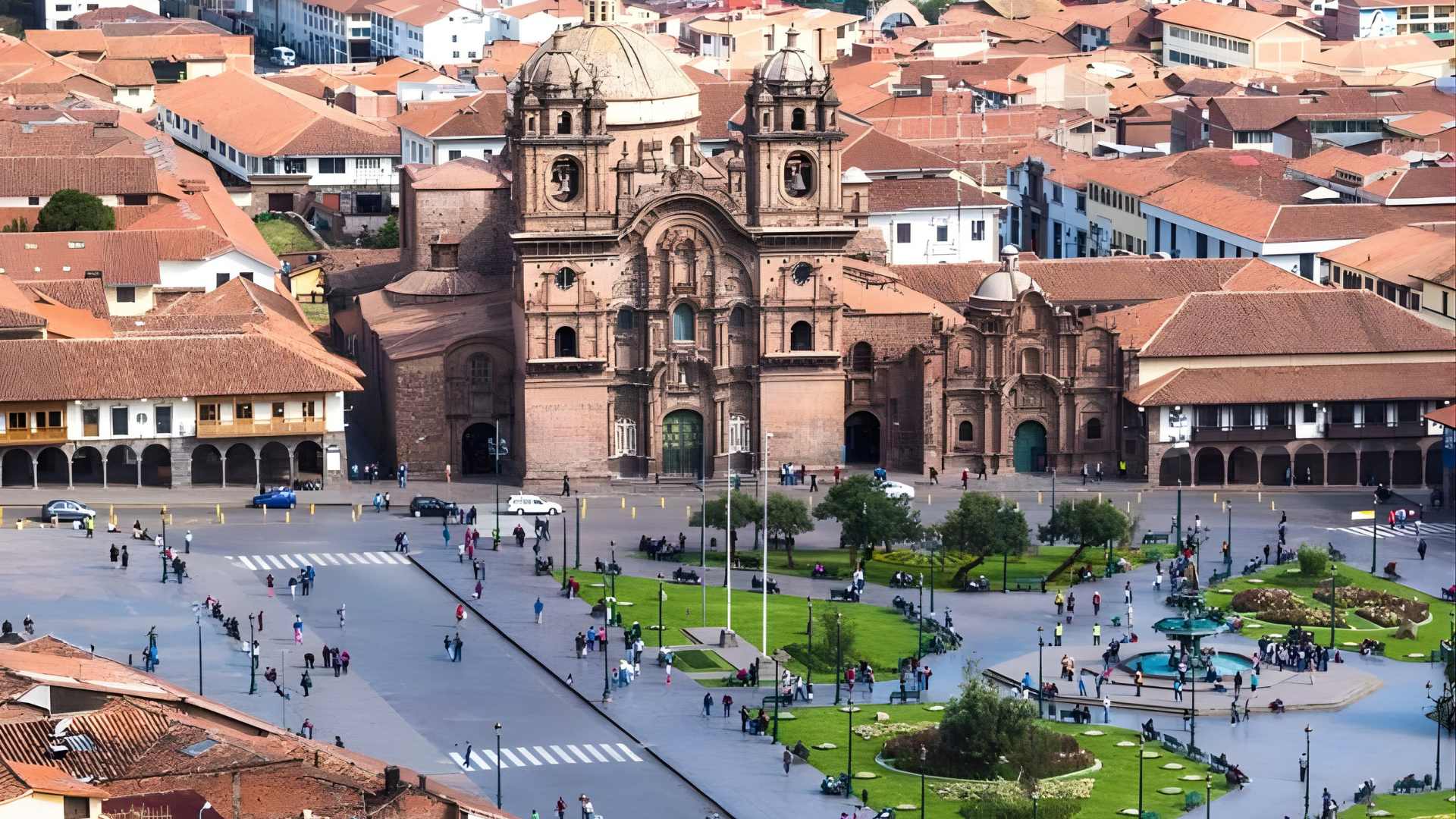
Every year, the Imperial City transforms into a stage of living faith. Thousands of devotees, musicians, and dancers gather in the Plaza de Armas to honor a tradition that has survived for centuries, blending Catholic heritage with the mysticism of the Andean world. If you are looking for an experience that connects you with the deepest essence of Peruvian culture, Corpus Christi is the perfect time to visit Cusco. In this article, at AndeXperience, we take you on a journey through its history, its impressive processions, and the ancestral gastronomy that accompanies this festivity.
To understand Corpus Christi in Cusco, we must look to the past. Before the arrival of the Spanish, the Incas celebrated Inti Raymi and paraded the mummies of their rulers through Qosqo. With the conquest, the Catholic Church replaced these mummies with images of saints and virgins, giving rise to a unique cultural syncretism.
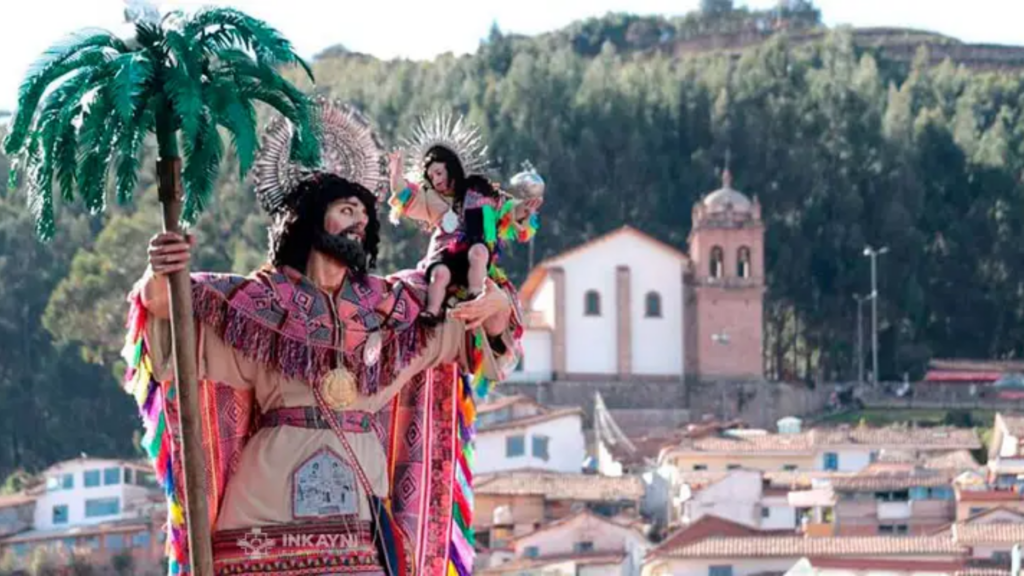
The festivity is always celebrated on a Thursday, 60 days after Easter Sunday. More than a religious ceremony, it represents the adaptation and cultural resilience of a people. Each neighborhood competes to present its patron saint with impressive platforms, embroidered mantles, and vibrant troupes filled with music and color.
Traveler’s tip: The largest bell in South America, the María Angola of Cusco Cathedral, rings only on special occasions — and Corpus Christi is one of them.
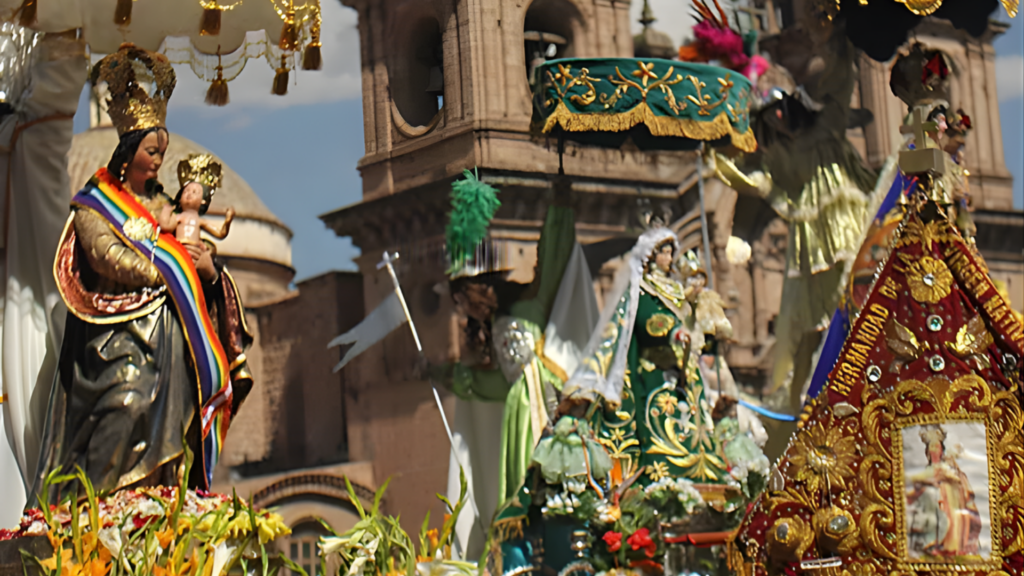
Corpus Christi is a movable feast and lasts for more than a week, although the main day is Thursday.
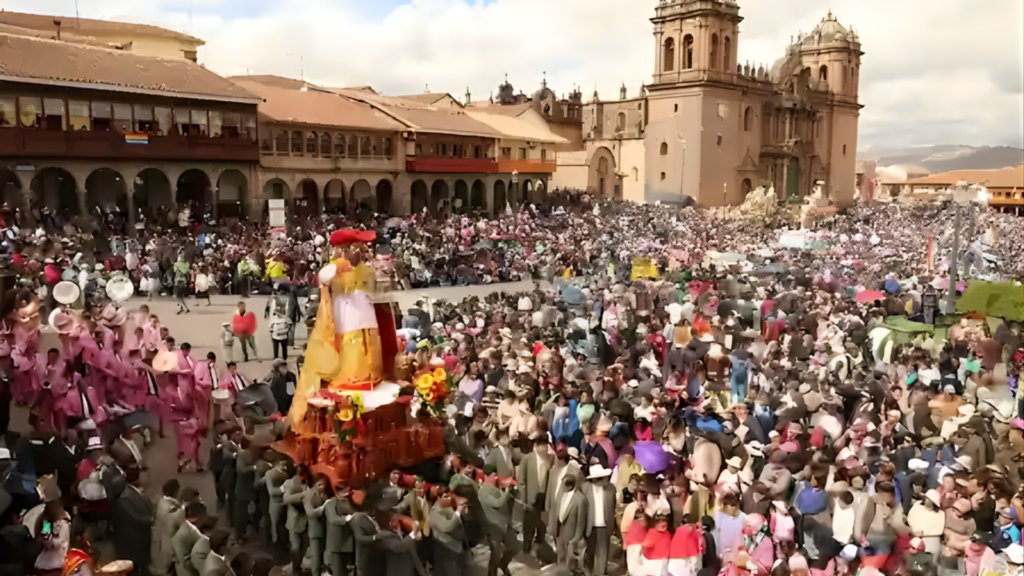
Pro tip: Arrive at the Plaza de Armas by 10:00 a.m. to experience La Entrada. The encounter between San Jerónimo and San Sebastián is one of the most emotional moments.
On the main day, the Plaza de Armas becomes a sea of people. The processions are a spectacle of sacred art in motion: monumental images, carried on the shoulders of devoted groups, move forward to the rhythm of traditional music.
Among the 15 saints and virgins, the most prominent are:
Seeing these images surrounded by thousands of people under the Andean winter sun is a truly goosebump-inducing experience.
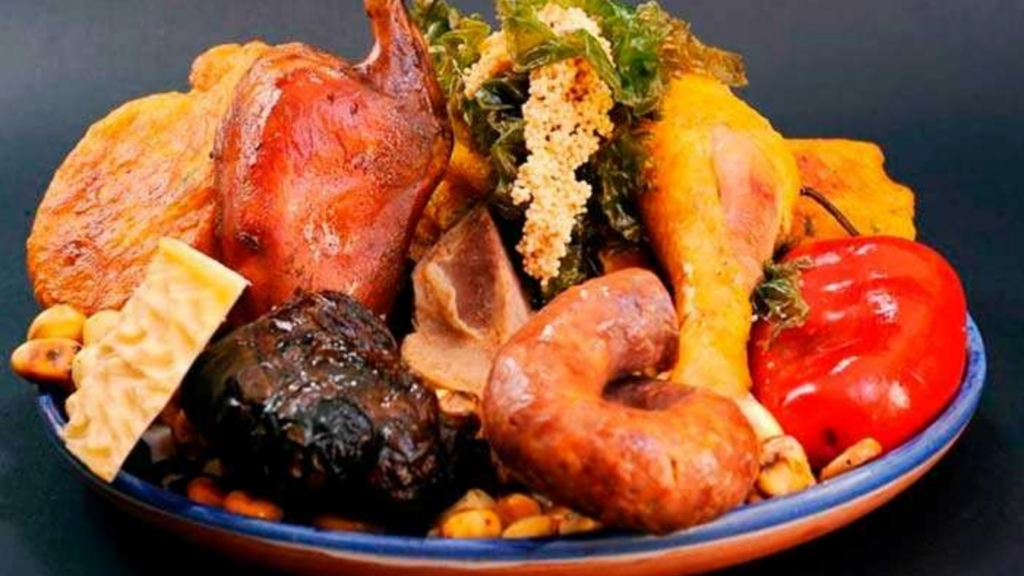
Talking about Corpus Christi means talking about Chiri Uchu, the emblematic dish of the festivity. In Quechua, it means “cold chili,” and it is traditionally eaten only during this time of year.
It is served cold, and tradition says you should try a little of each ingredient to fully enjoy the combination of flavors.
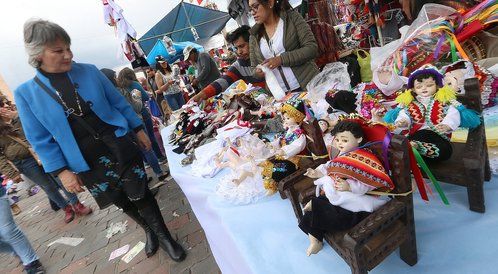
Gastronomic tip: The best option is the fair at Plaza San Francisco. The busiest stalls are usually the most authentic.
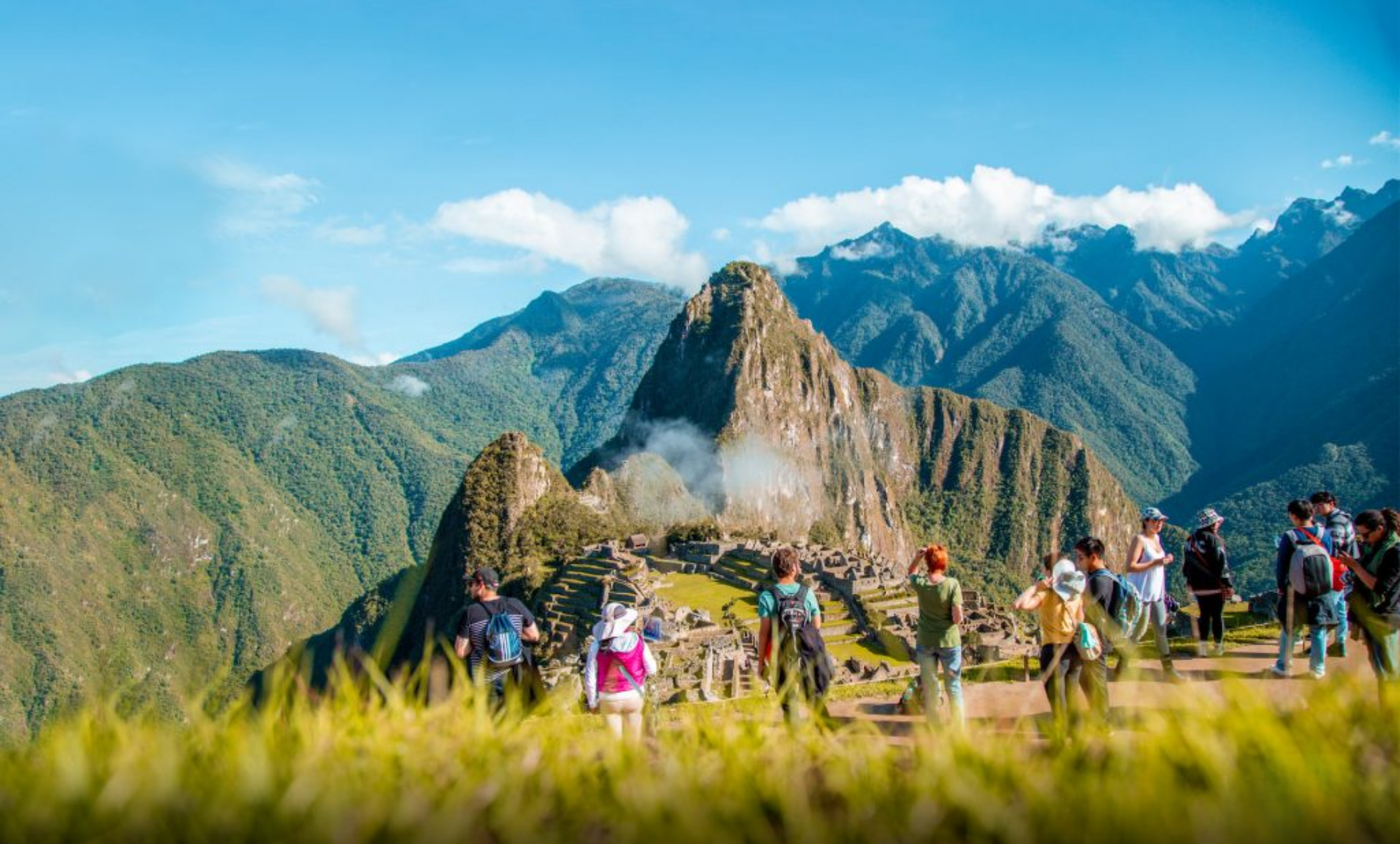
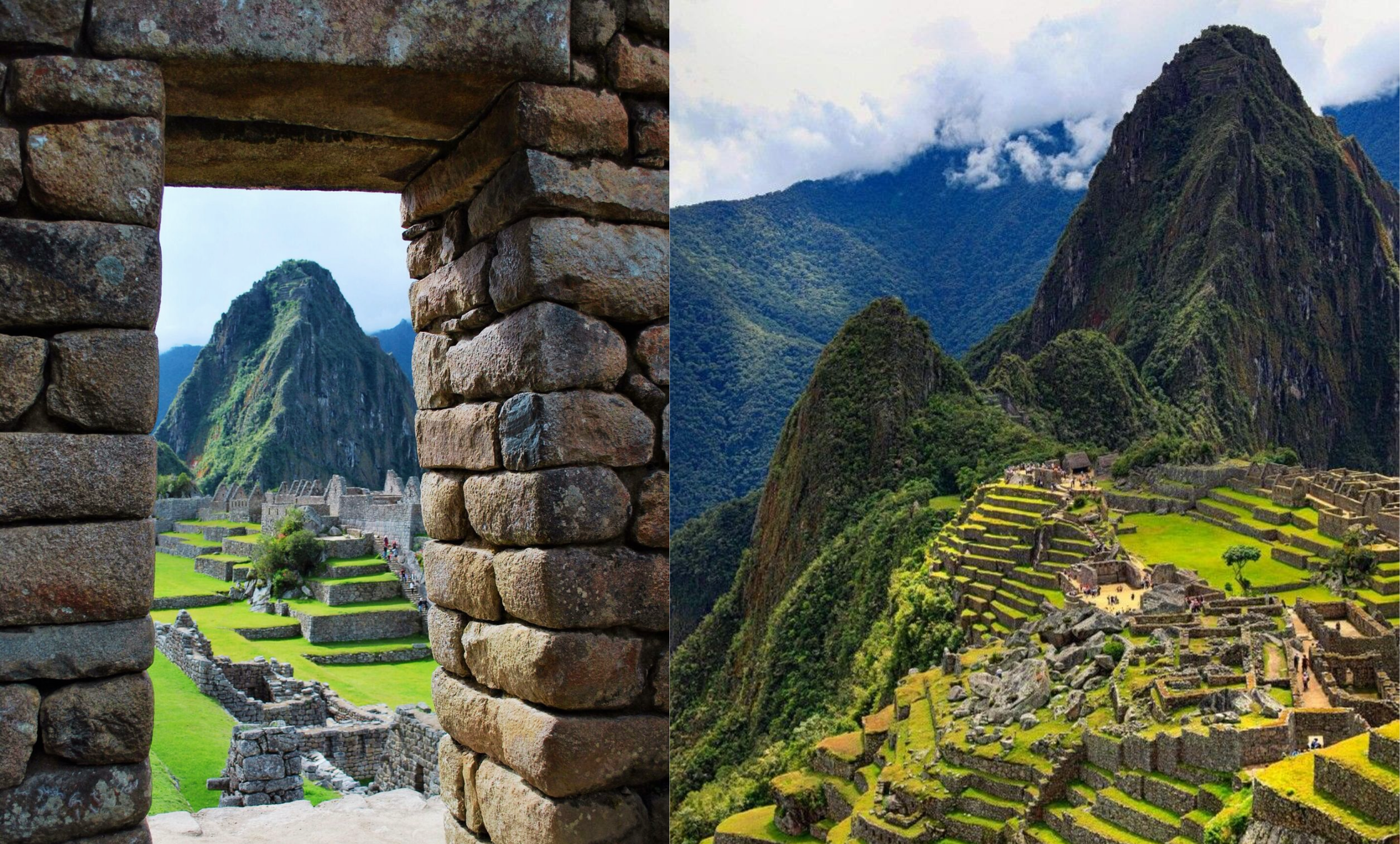
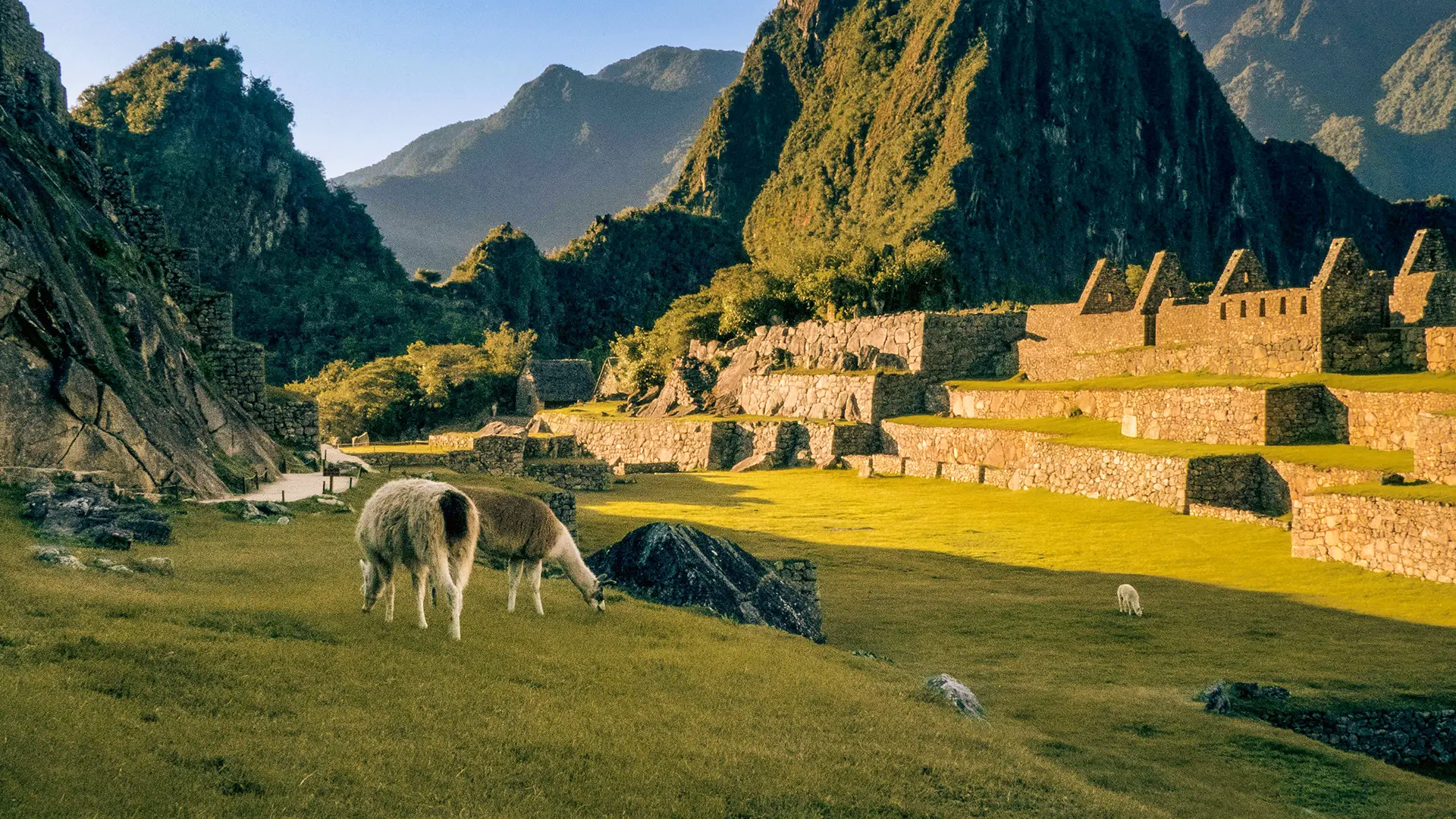
Corpus Christi in Cusco shows that the past is still alive — in the faith of its people, in the shine of the platforms, and in the shared flavor of an ancestral dish. It is an invitation to discover a Cusco that goes far beyond Machu Picchu.
Discover this experience with AndeXperience Travel Agency and live the authentic Peru.











Company name: Andexperience Travel Agency S.A.C.
Ruc: 20614773210



Copyright © 2026. AndeXperience Travel. All Right Reserved