
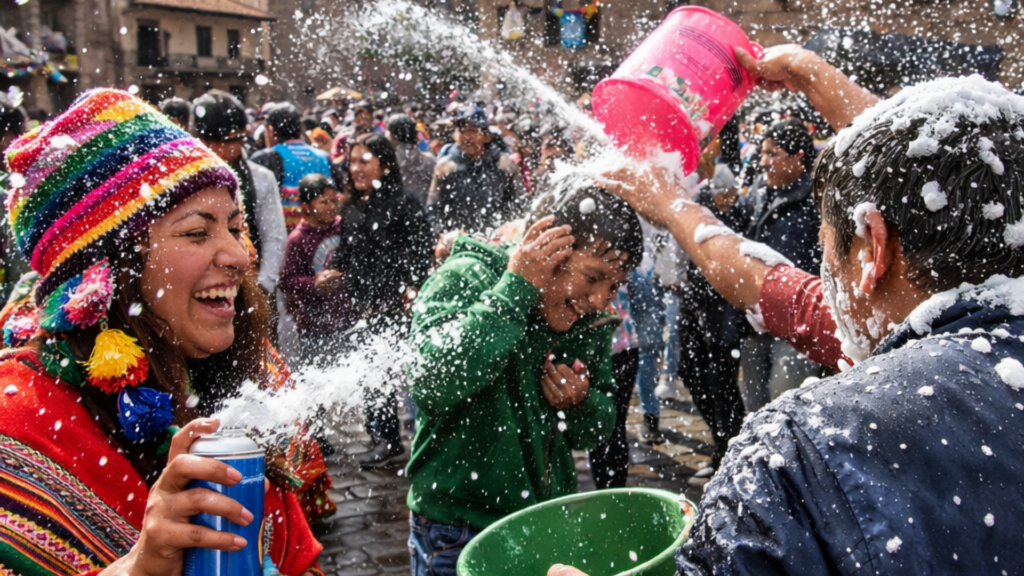
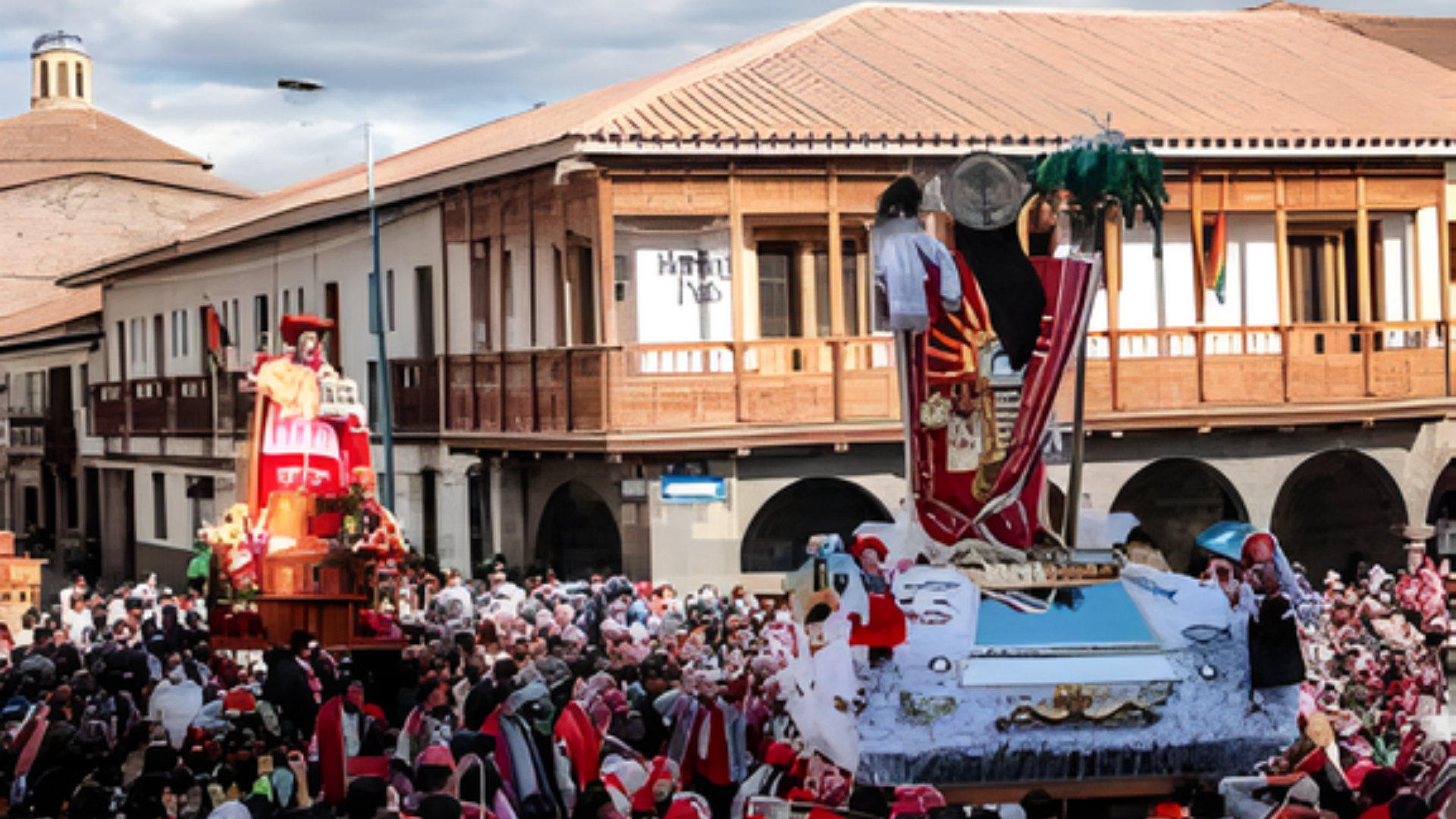
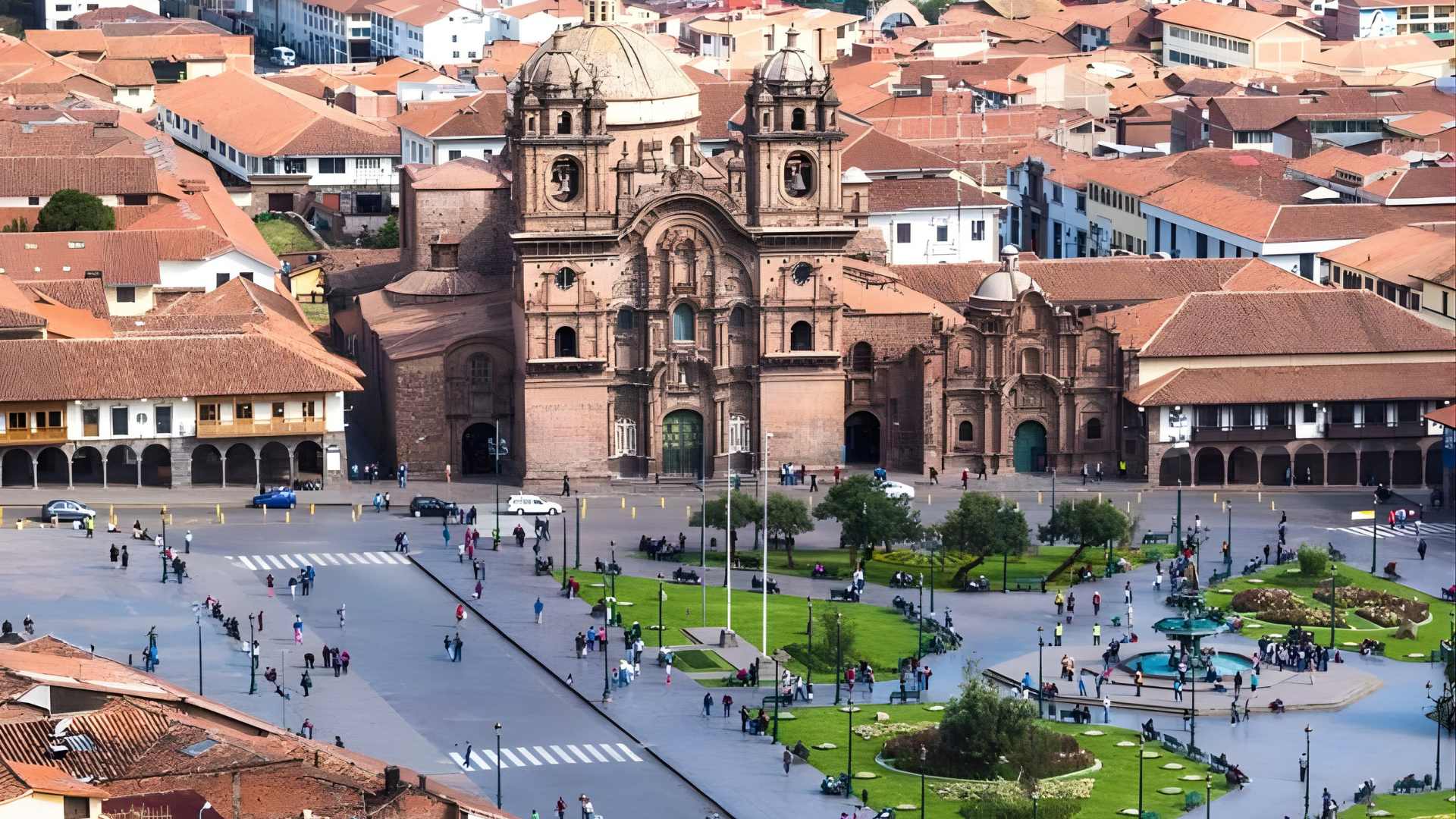
Cusco is not only the ancient capital of the Inca Empire; it is a place where traditions remain alive and are celebrated from the heart. Each year, between February and March, the city transforms with music, dances, colors, and laughter during the Cusco Carnival, one of the most authentic and anticipated festivals in southern Peru.
During these days, visitors are not just spectators — they become part of the celebration. Water games, traditional dance groups, festive foods, and ancestral rituals fill the streets and communities. In this guide, you will discover the history of Carnival in Cusco, its deep cultural meaning, the most important traditions such as the yunza (tree-cutting ceremony) and puchero, as well as practical tips to experience this celebration as a conscious and respectful traveler.
The Cusco Carnival is a fusion of Andean heritage and traditions introduced during the colonial era. Before the arrival of the Spanish, communities celebrated agricultural rituals connected to the fertility of the land and gratitude to Pachamama (Mother Earth). Over time, these ceremonies blended with the European carnival, giving rise to a unique festivity.
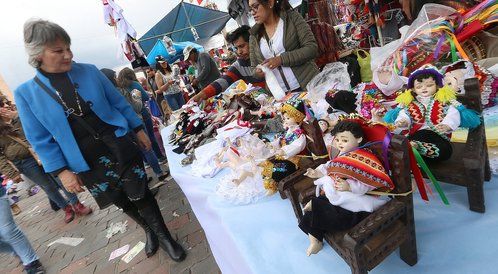
Today, Carnival in Cusco represents collective joy, abundance, and community unity. Each neighborhood and rural community celebrates in its own way, preserving customs that are passed down from generation to generation.
Traveler’s tip:
In Cusco, carnival is not celebrated for just one day — it can last several weeks, especially in rural communities.
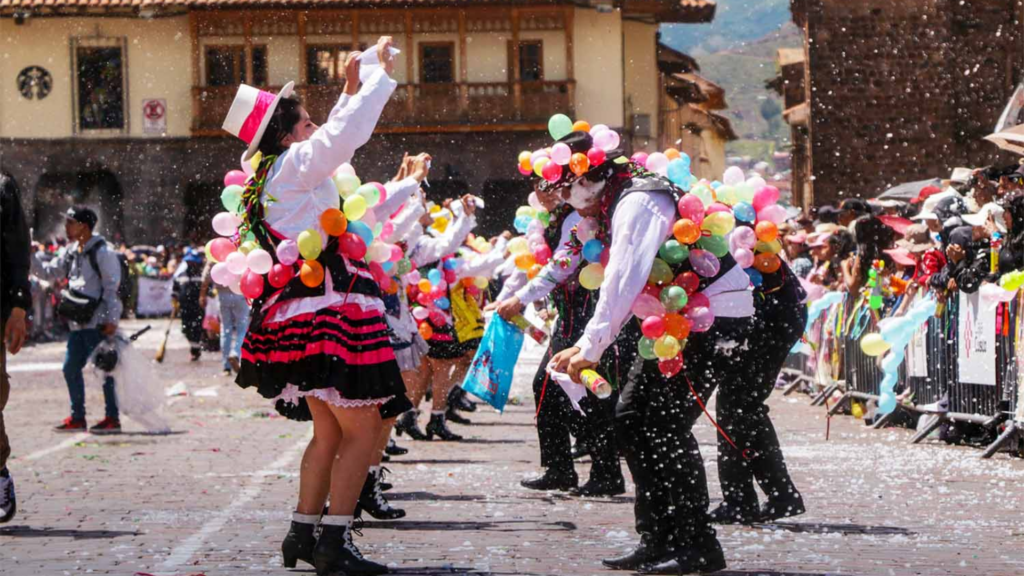
The traditions of Cusco Carnival are the soul of the celebration. Participating in them is an authentic way to connect with local culture.
During carnival, it is common for locals and visitors to splash each other with water, foam, and colorful talcum powder. It symbolizes purification, joy, and renewal.
The streets fill with dances, bands, and songs in Quechua. Each group represents its community, showcasing pride and cultural identity.
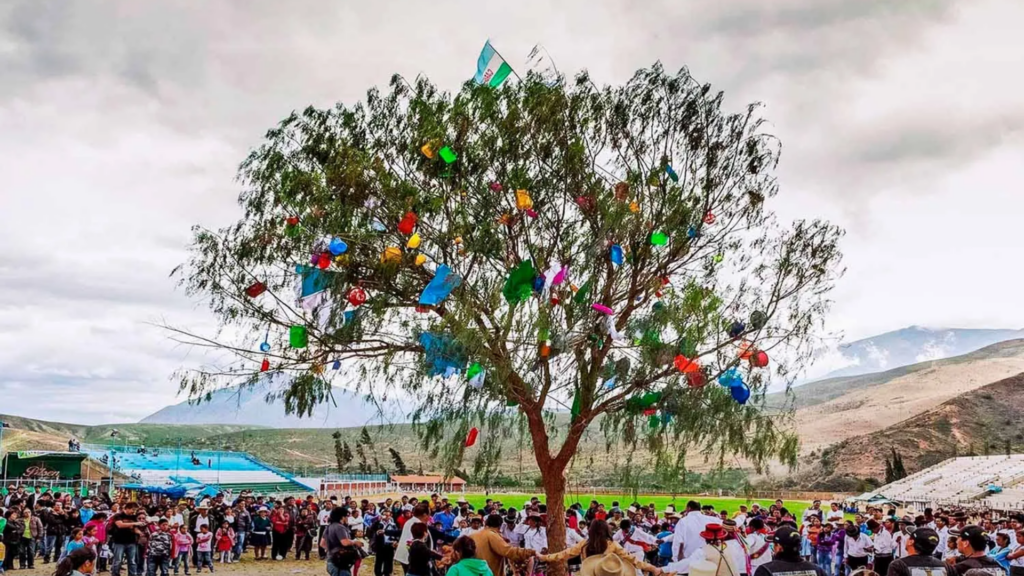
The yunza is one of the most anticipated moments of the celebration. A tree decorated with gifts is placed at the center of the festivity. People dance around it and take turns cutting it down until it falls, distributing presents among everyone.
Practical recommendation:
If you are invited to a yunza, participate respectfully and follow the locals’ guidance — it is a deeply valued community tradition.
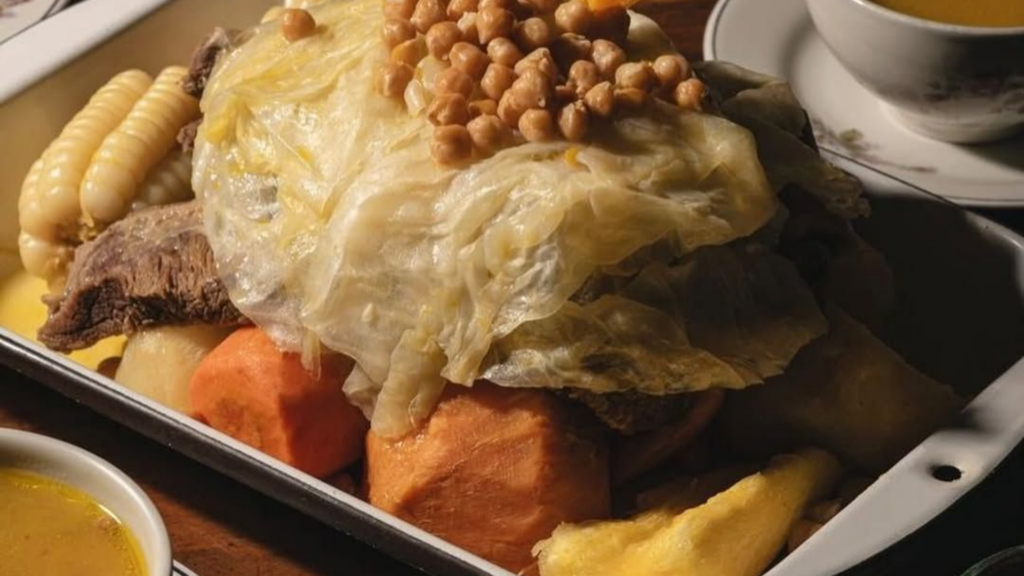
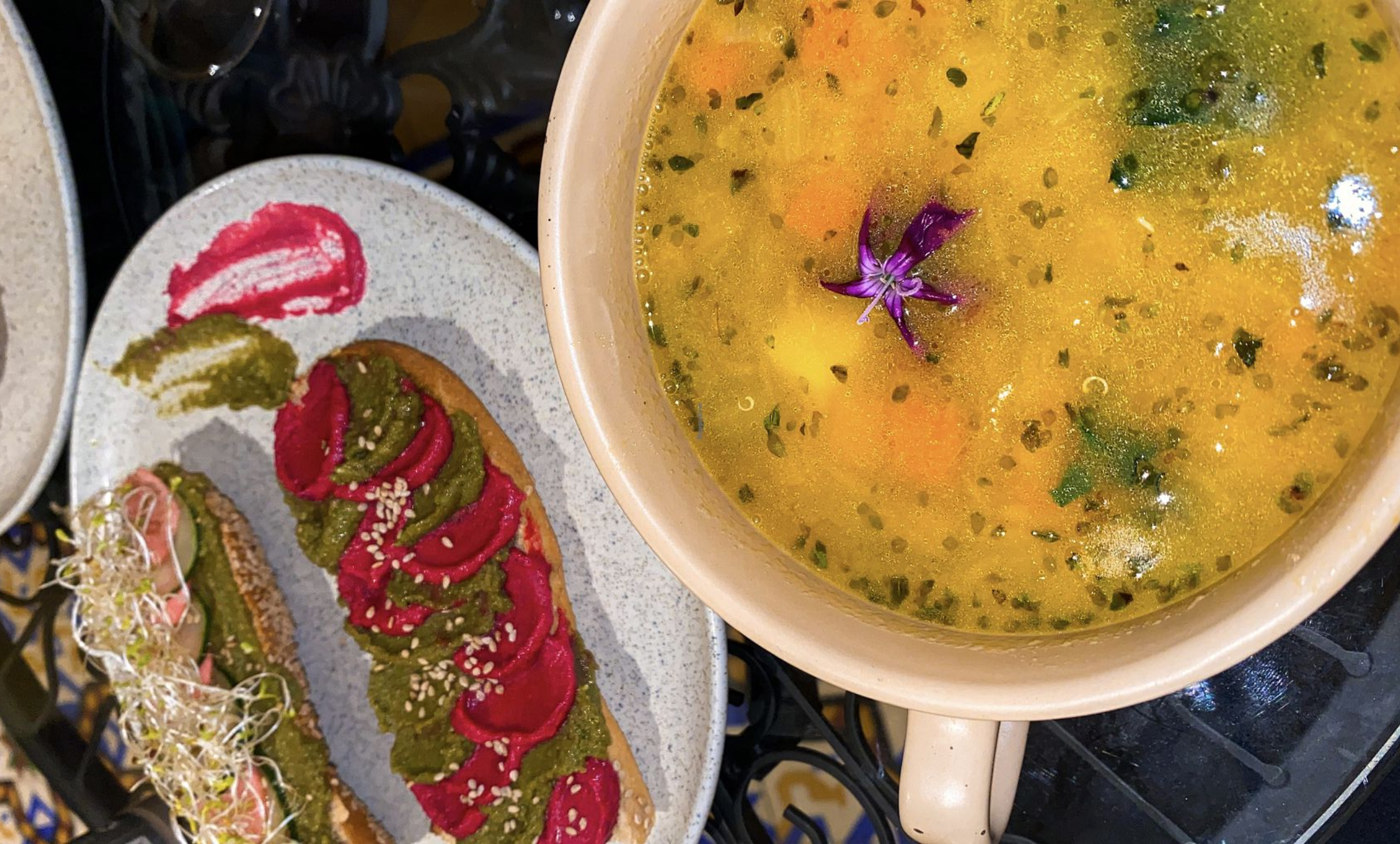
No carnival in Cusco is complete without its emblematic dish: puchero, also known as timpu. It is a hearty and comforting soup that symbolizes unity and abundance.
It is traditionally served on Carnival Monday and becomes a gastronomic experience that brings families and communities together around the table.
Important note:
Many traditional restaurants only serve puchero during carnival season, making it a seasonal and exclusive dish.
Experiencing carnival in Cusco goes beyond the party. It is an opportunity to discover the city from a cultural perspective.
Pro tip:
Celebrations in nearby towns such as Pisac, Calca, or Chinchero are often more authentic and less touristy.
February and March (dates vary according to the calendar)
The Cusco Carnival is not just a festival — it is a living expression of Andean identity, a celebration of the land, community, and shared joy. Experiencing it means understanding Cusco beyond its monuments, through its people and traditions.
Discover this experience with AndeXperience Travel Agency.
Book your next adventure with us and experience authentic Peru, guided by local experts.











Company name: Andexperience Travel Agency S.A.C.
Ruc: 20614773210



Copyright © 2026. AndeXperience Travel. All Right Reserved