
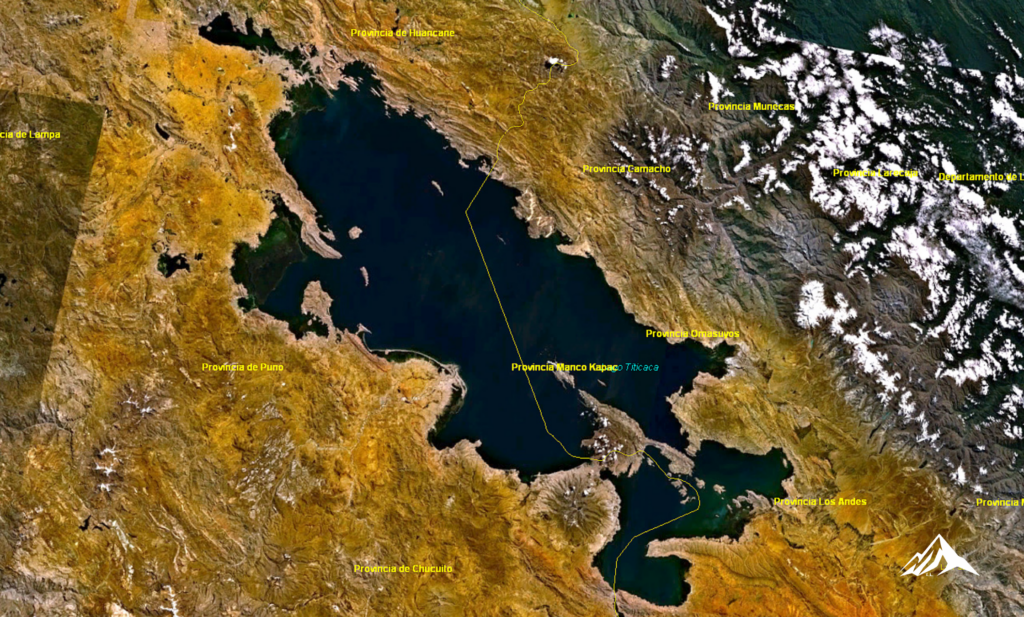
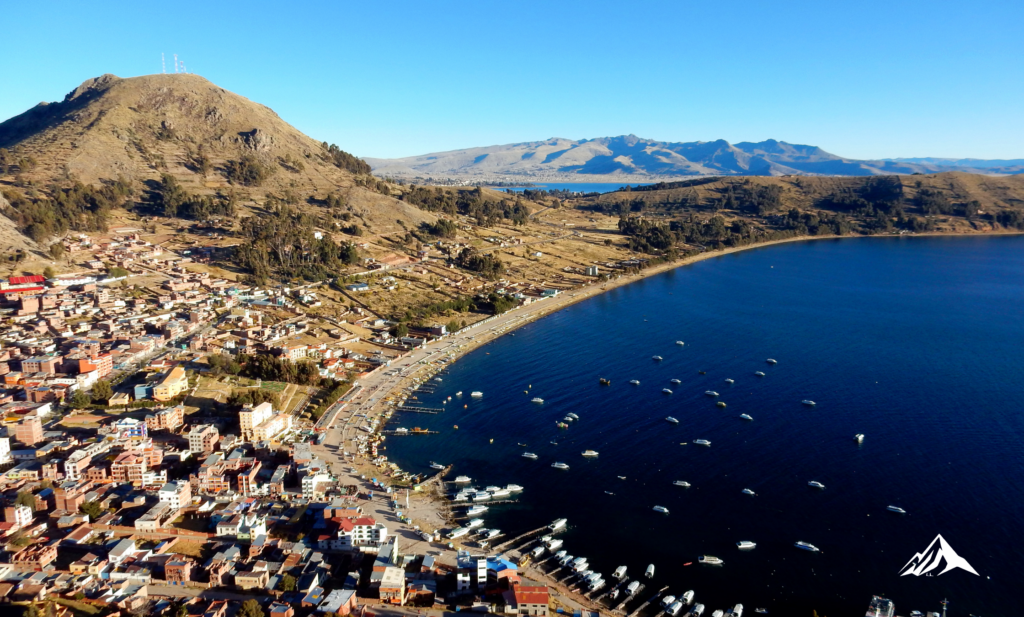
In the heart of the Andean highlands, at over 3,800 meters above sea level, lies a deep-blue body of water that holds thousands of years of history, spirituality, and life: Lake Titicaca. Considered the highest navigable lake in the world, this place amazes not only with its natural beauty, but also with the myths, civilizations, and traditions born along its shores—many of which still endure today.
Traveling to Lake Titicaca is much more than visiting a destination; it is immersing yourself in the origins of the Andes, walking through sacred places, and meeting communities that keep an ancestral heritage alive. In this article, you’ll discover the history of Lake Titicaca, its founding myths, the great civilizations that flourished around it, and how to enjoy an authentic cultural experience today with AndeXperience Travel Agency, a local expert operator in Peru.
The origin of Lake Titicaca dates back to geological processes that occurred millions of years ago, when the uplift of the Andes formed a vast high-altitude basin that gradually filled with water. However, for Andean cultures, its origin is not only geographical, but deeply spiritual.
According to the Andean worldview, the lake is a sacred space—a place of creation and balance where the first human beings were born and the order of the world was established.
There are several interpretations of its name. One of the most widespread suggests it comes from the Quechua words titi (puma) and qaqa (stone), translating to “stone puma”—a figure that, when seen from above, some associate with the shape of the lake.
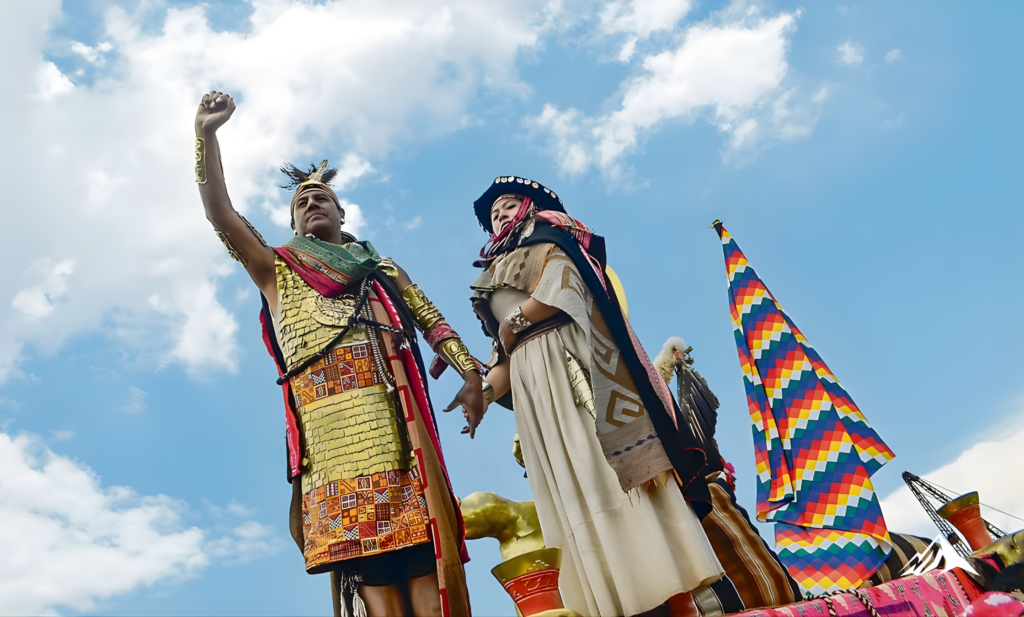
The myths of Lake Titicaca are an essential part of Andean history and cultural identity. The best-known is the Inca myth of the origin of the world.
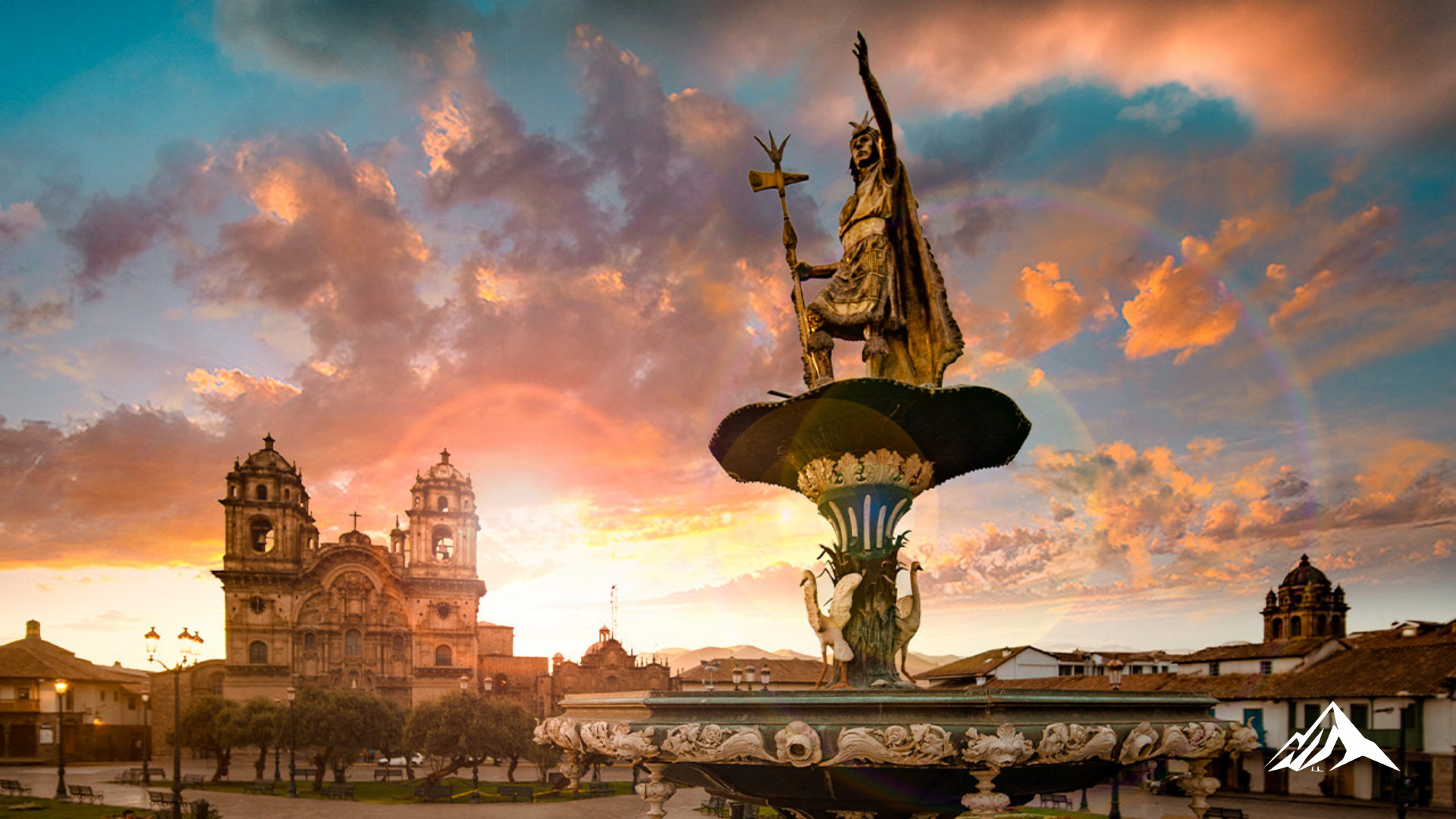
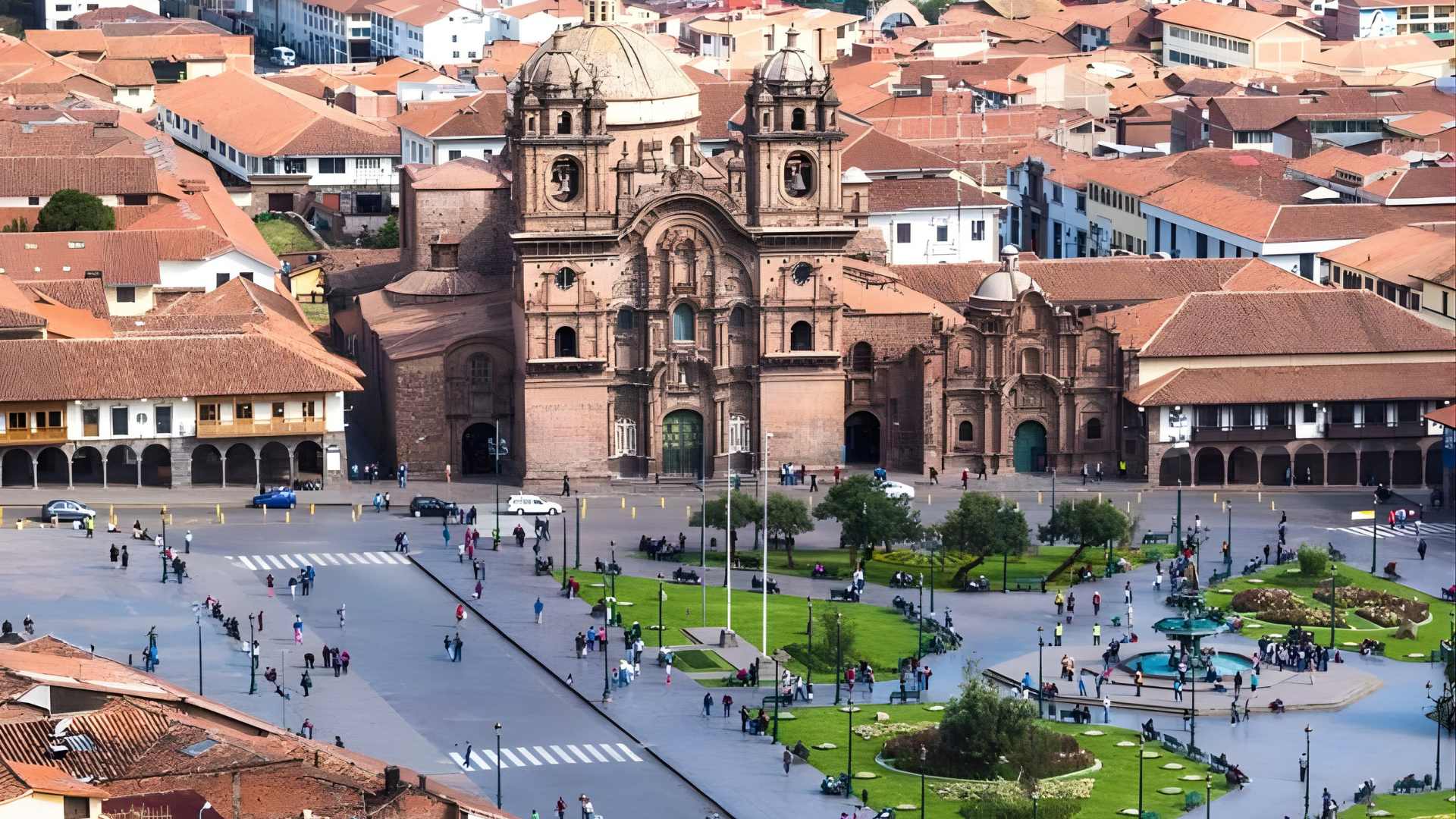
Legend tells that the Sun god, Inti, caused Manco Cápac and Mama Ocllo to emerge from the waters of the lake, sending them to civilize the peoples and found the Inca Empire. Carrying a golden staff, they were to find the place where it would sink easily—thus, Cusco was born.
This myth turned Lake Titicaca into the spiritual center of the Andean world, a place of pilgrimage and rituals.
Other stories and legends:
These stories are still alive in the ceremonies and rituals practiced by local communities.
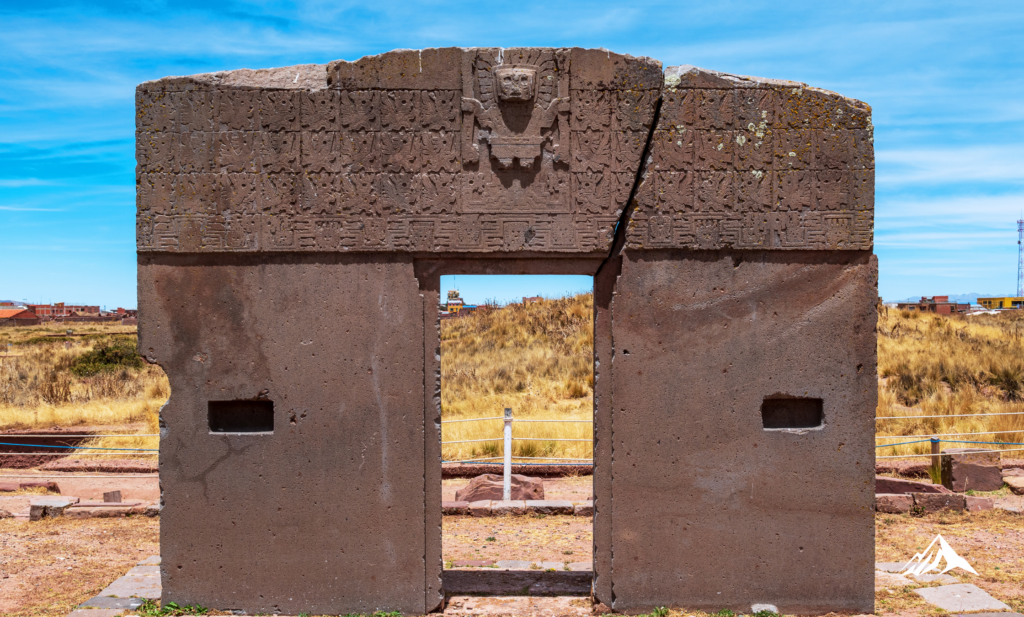
Before the Inca Empire, various civilizations around Lake Titicaca developed thanks to the area’s natural richness and mastery of advanced agricultural techniques.
The Tiahuanaco civilization, one of the oldest and most enigmatic in South America, had its center near the lake in what is now Bolivia. It stood out for its monumental architecture, astronomical knowledge, and cultural influence across much of the Andes.
In addition to Tiahuanaco, other cultures flourished, such as:
These societies laid the cultural foundations later inherited by the Incas.
Traveler’s tip: Some pre-Inca agricultural techniques, such as waru waru (raised fields), are still used today to protect crops from the cold.
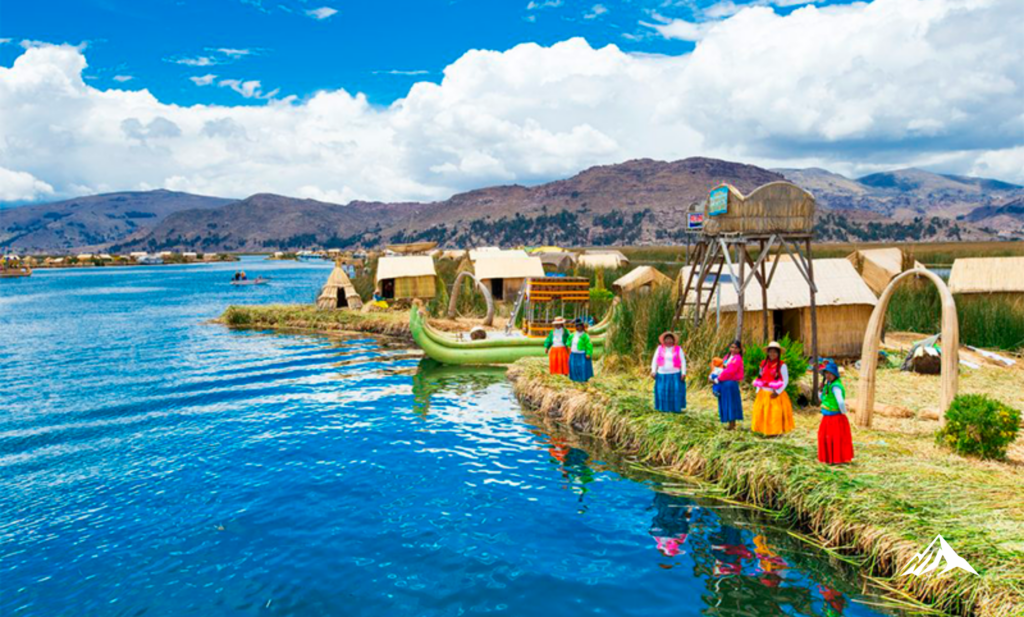
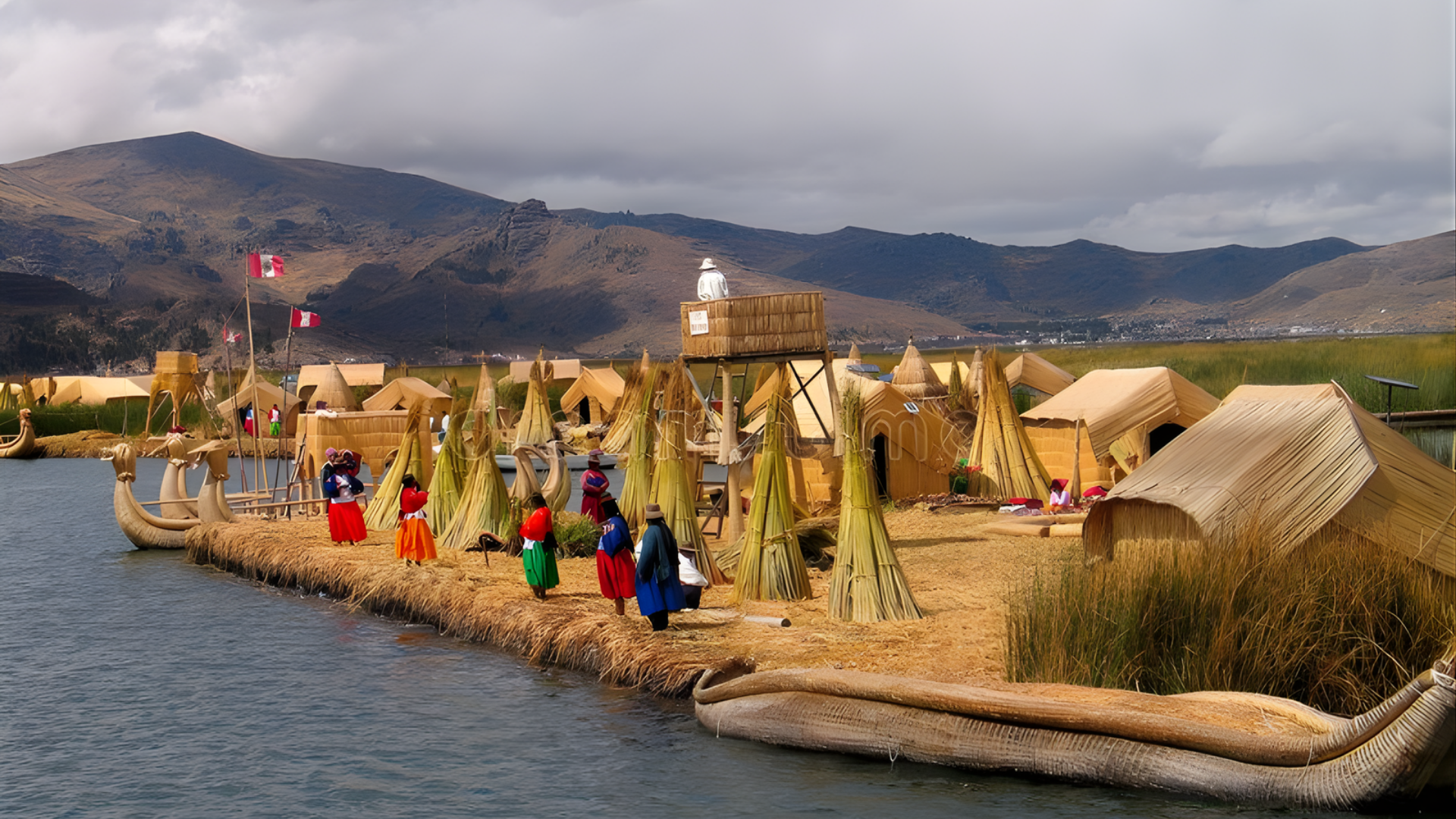
The Uros floating islands are one of the greatest symbols of Lake Titicaca. Built from totora, an aquatic plant native to the lake, these artificial islands are home to an ancestral culture that has adapted to life on the water for centuries.
The Uros consider themselves one of the oldest peoples in the region. Living on the water historically allowed them to protect themselves from invasions and preserve their cultural independence.
Today, visiting the islands offers a unique opportunity to experience:
Practical recommendation: Visit the islands early in the morning to enjoy a quieter and more authentic experience.
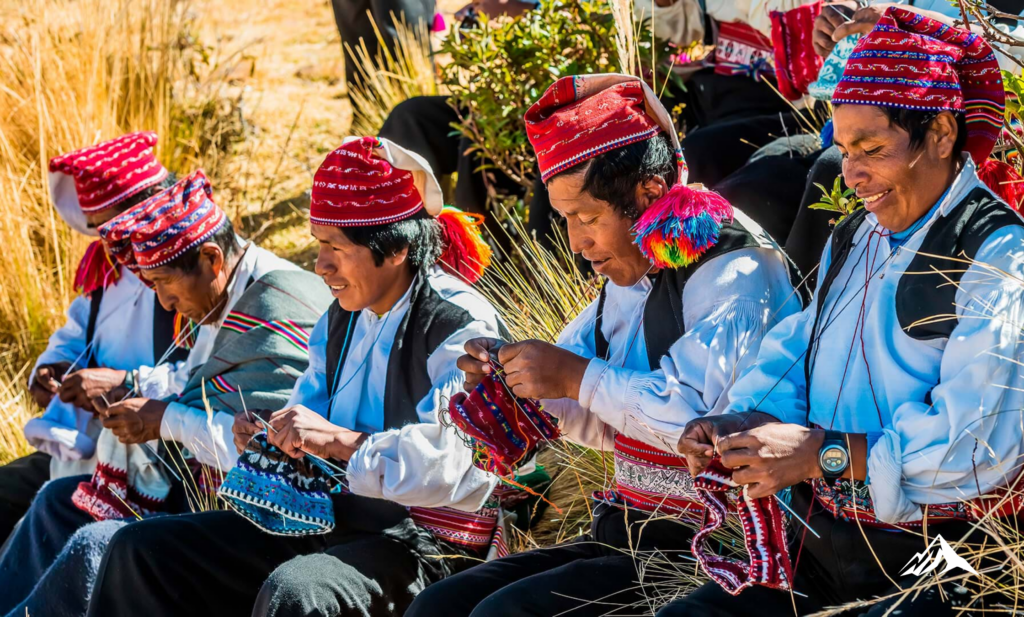
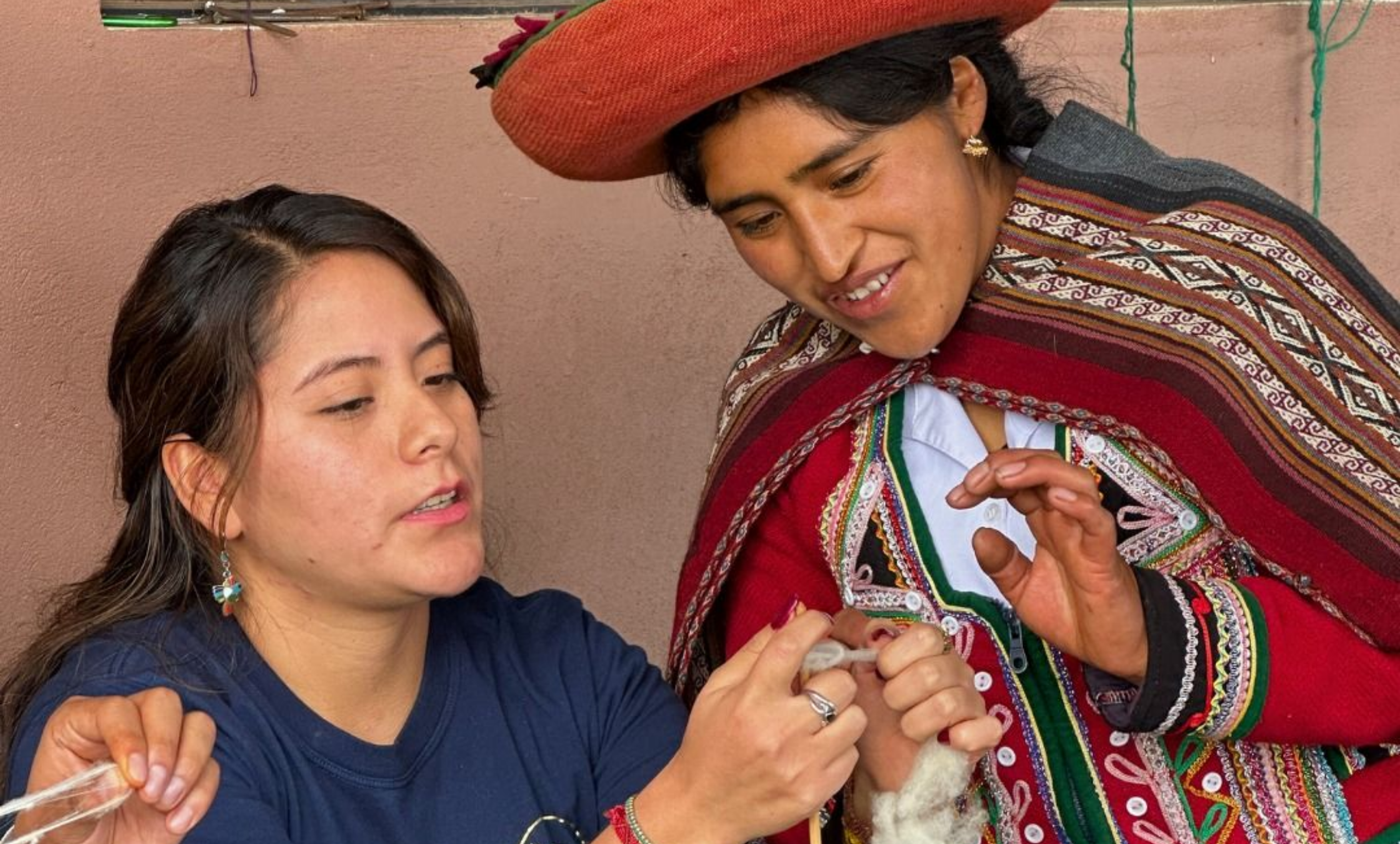
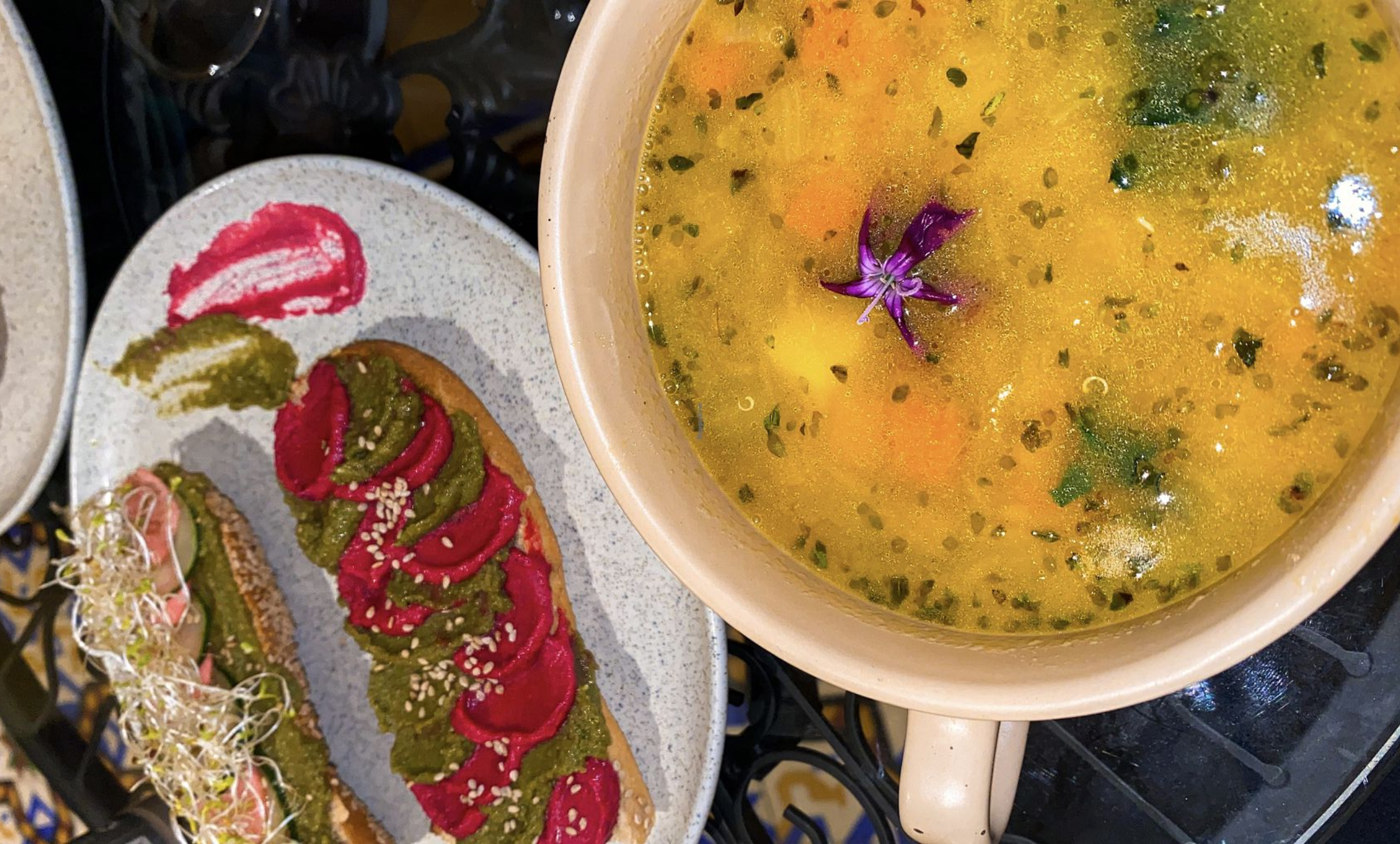
Beyond its history, Lake Titicaca is a place of living culture. The surrounding communities maintain ancestral traditions reflected in their music, clothing, and gastronomy.
Must-do experiences:
Important note: Responsible tourism helps preserve these traditions. Traveling with local operators ensures a positive impact on communities.
Best time to visit
What to bring
How to get there
Where to stay
Lake Titicaca is not just a destination—it is a journey to the origins of Andean history, a place where myths come alive and ancestral cultures continue to thrive. Exploring its islands, listening to its legends, and sharing moments with its communities is a truly transformative experience.
Discover this experience with AndeXperience Travel Agency
Book your next adventure with us and experience the authentic Peru.







Company name: Andexperience Travel Agency S.A.C.
Ruc: 20614773210



Copyright © 2026. AndeXperience Travel. All Right Reserved