
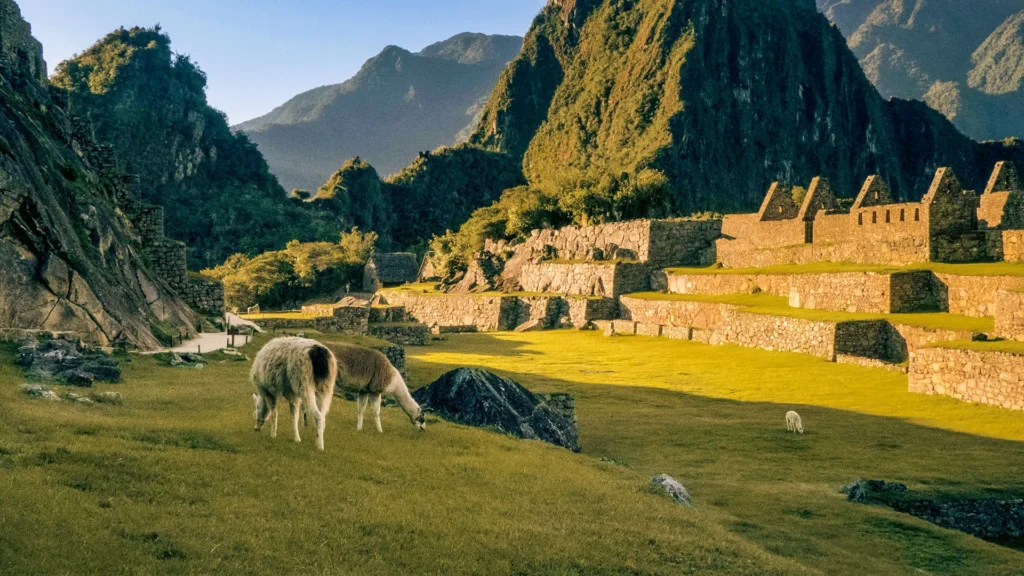
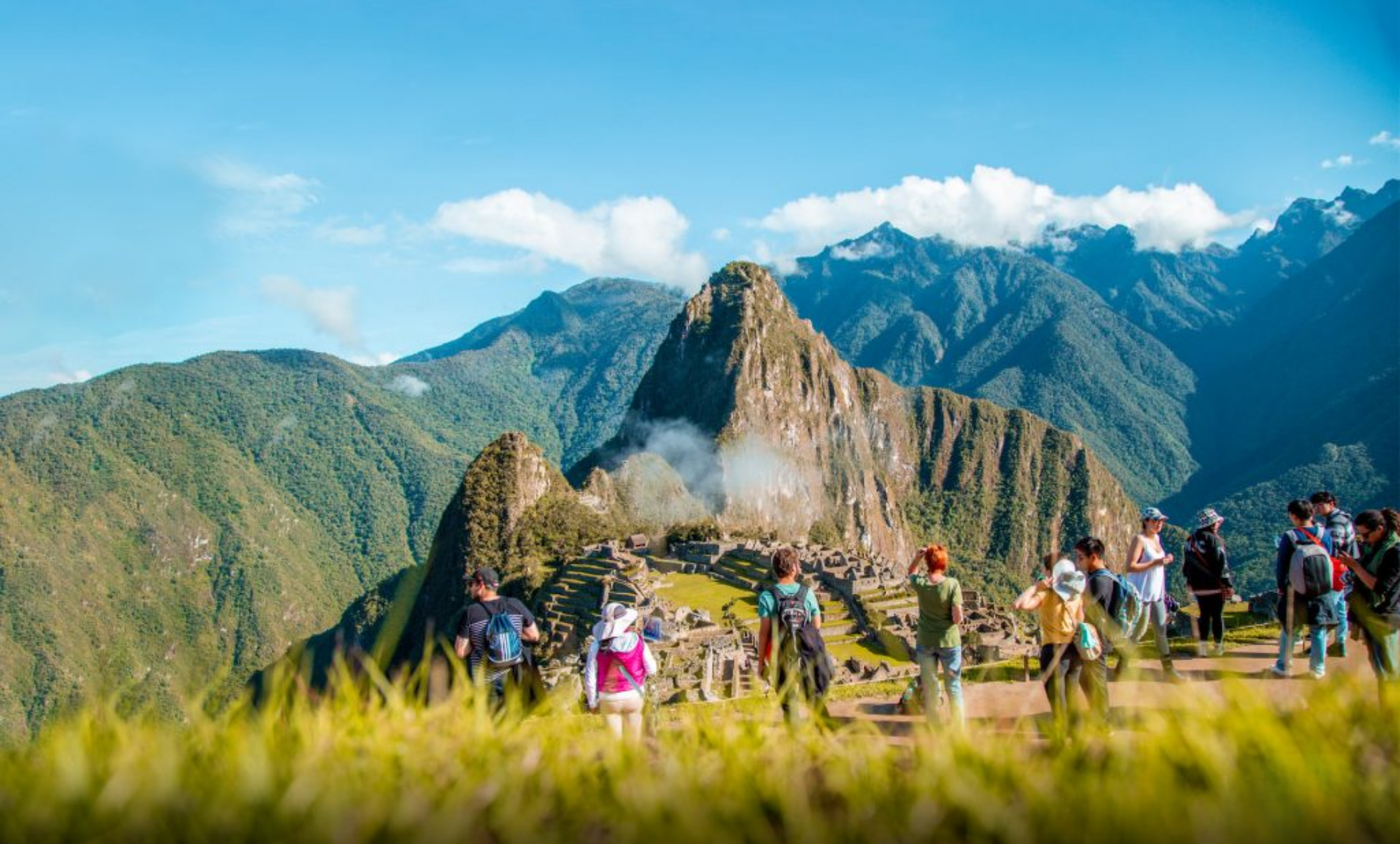
Cusco is not just Machu Picchu. It is a universe of ancient traditions that pulse through its communities—an Inca and Colonial legacy waiting to be shared. Community-Based Tourism is the key that opens the doors to homes, workshops, and farmlands, allowing you to become part of a fascinating culture, even if only for a few days.
In this article, you will discover what community-based tourism is, why it has become a global trend, and how immersive experiences in Cusco offer you an authentic, responsible, and deeply inspiring journey. Get ready to stop being just a tourist and start becoming a traveler with purpose.
Community-based tourism in Cusco is a form of community tourism in Peru that focuses on genuine interaction and cultural exchange between visitors and local communities. It is not just a tour—it is a complete immersion into the Andean way of life.
The foundation of community-based tourism lies in the ancient Andean principle of Ayni, which means reciprocity and collaboration. High-Andean communities, heirs to Inca culture, have always worked under this system of mutual support. Today, they have adapted this philosophy to share their wisdom and generate sustainable development through tourism.
Communities open their homes to offer simple yet welcoming accommodations and share their knowledge of agriculture, weaving, cooking, and ceremonial traditions, ensuring that economic benefits are distributed directly among families. It is a model that respects the environment and, above all, the cultural dignity of its hosts.
Traveler’s Fact: Peru was one of the pioneers in Latin America in developing the community tourism model, and Cusco—with its hundreds of Quechua-speaking communities—is the epicenter of the best immersive experiences in the region.
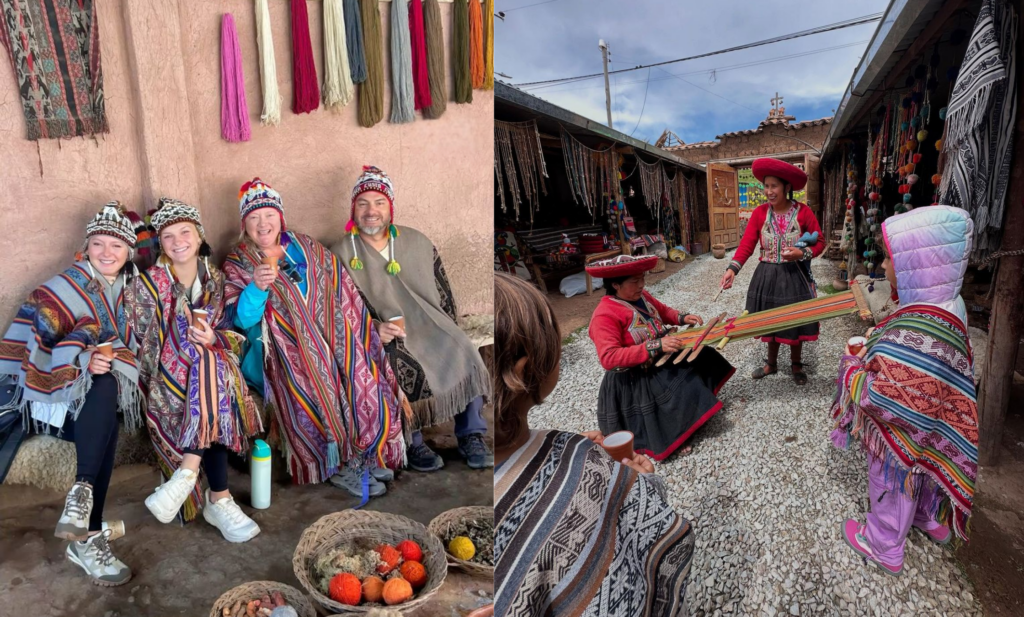
One of the greatest strengths of this tourism model is its diversity. Immersive experiences in Cusco go far beyond sightseeing—they invite you to actively participate. Each activity is a life workshop and a window into the Andean worldview.
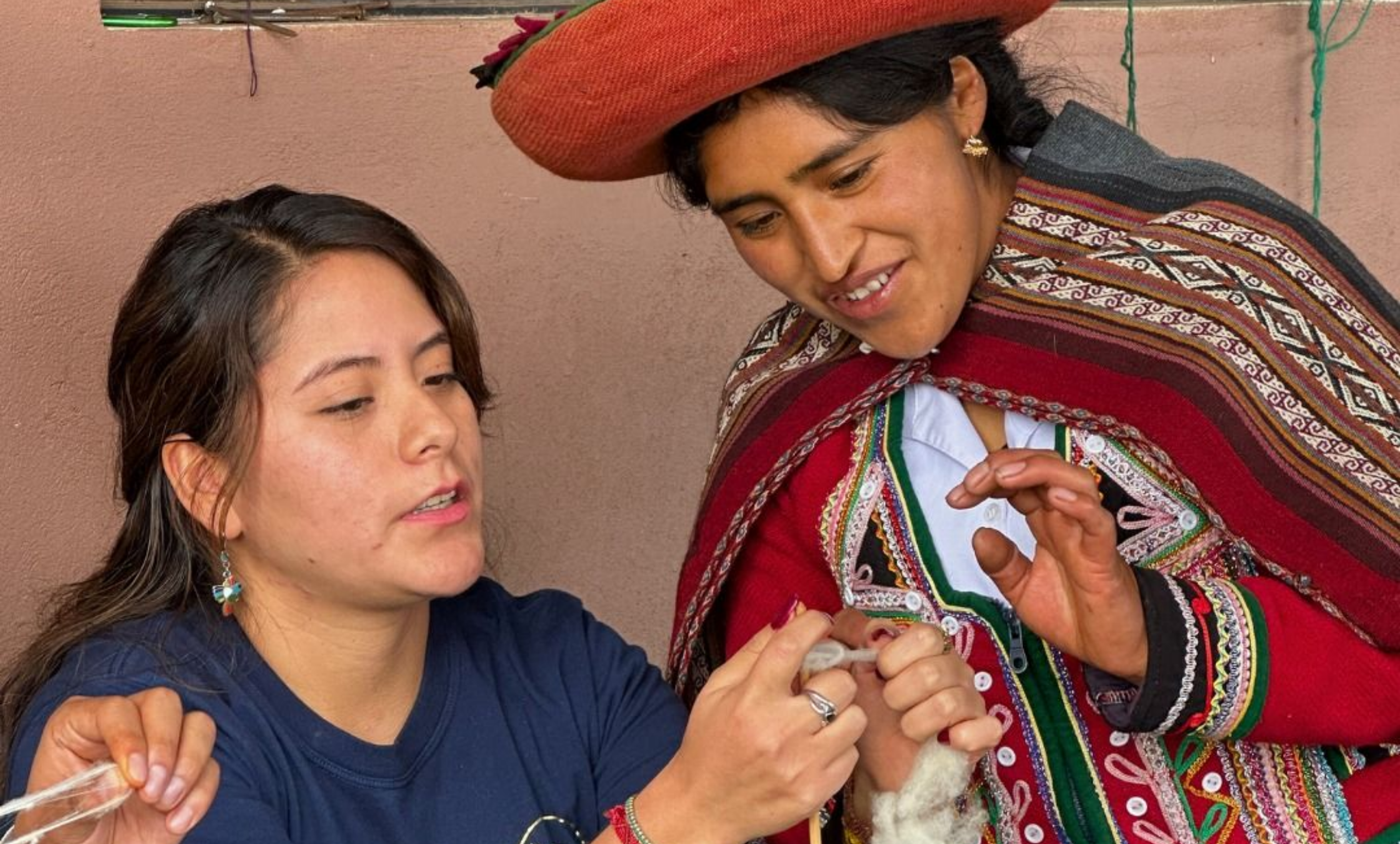
If you are looking for a community-based tour in Cusco that combines art and tradition, meeting the master weavers is a must.
What will you do?
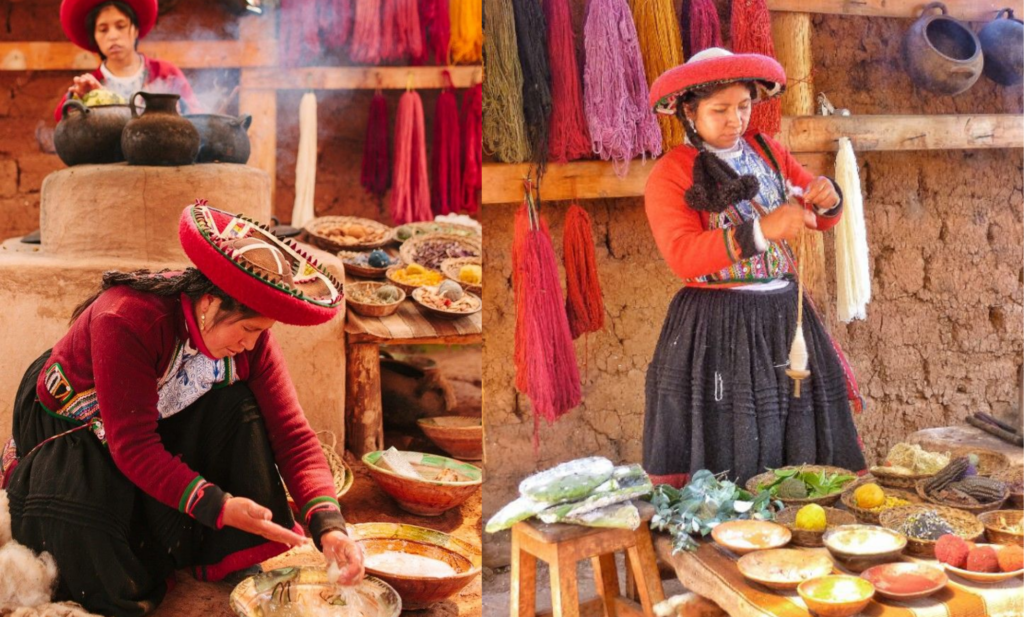
You will learn the complete weaving process: from alpaca shearing and washing the wool using the natural root Sacha Paraqay, to plant-based dyeing and the use of the traditional backstrap loom to create intricate geometric designs.
Cultural relevance:
These textiles are not just beautiful works of art; they are narrative “books” that tell stories, myths, and the agricultural calendar of the Andes.
Reconnect with Mother Earth, Pachamama, while learning agricultural techniques that have sustained Andean civilizations for thousands of years.
What will you do?
You will participate in the planting or harvesting of native potatoes (Peru has over 3,000 varieties), use ancestral tools such as the chakitaclla (foot plow), and most importantly, take part in the Payment to the Earth Ceremony, a sacred ritual to give thanks and ask permission from the Apus (sacred mountains).
Pro Tip:
The best time for planting is between October and December, while the main harvest takes place from March to May.
Community-based tourism is a feast for the senses—from the flavors of the land to the warmth of an Andean home.
Peruvian cuisine is world-renowned, and in the Andes, the culinary experience is intimate and deeply meaningful.
The Art of Pachamanca:
This is undoubtedly the most sought-after immersive gastronomic experience. Pachamanca (“earth oven”) is an ancient cooking method where meats and tubers are cooked using heated volcanic stones buried underground. You won’t just enjoy a delicious meal—you’ll take part in its ritual preparation.
Andean Cooking Classes:
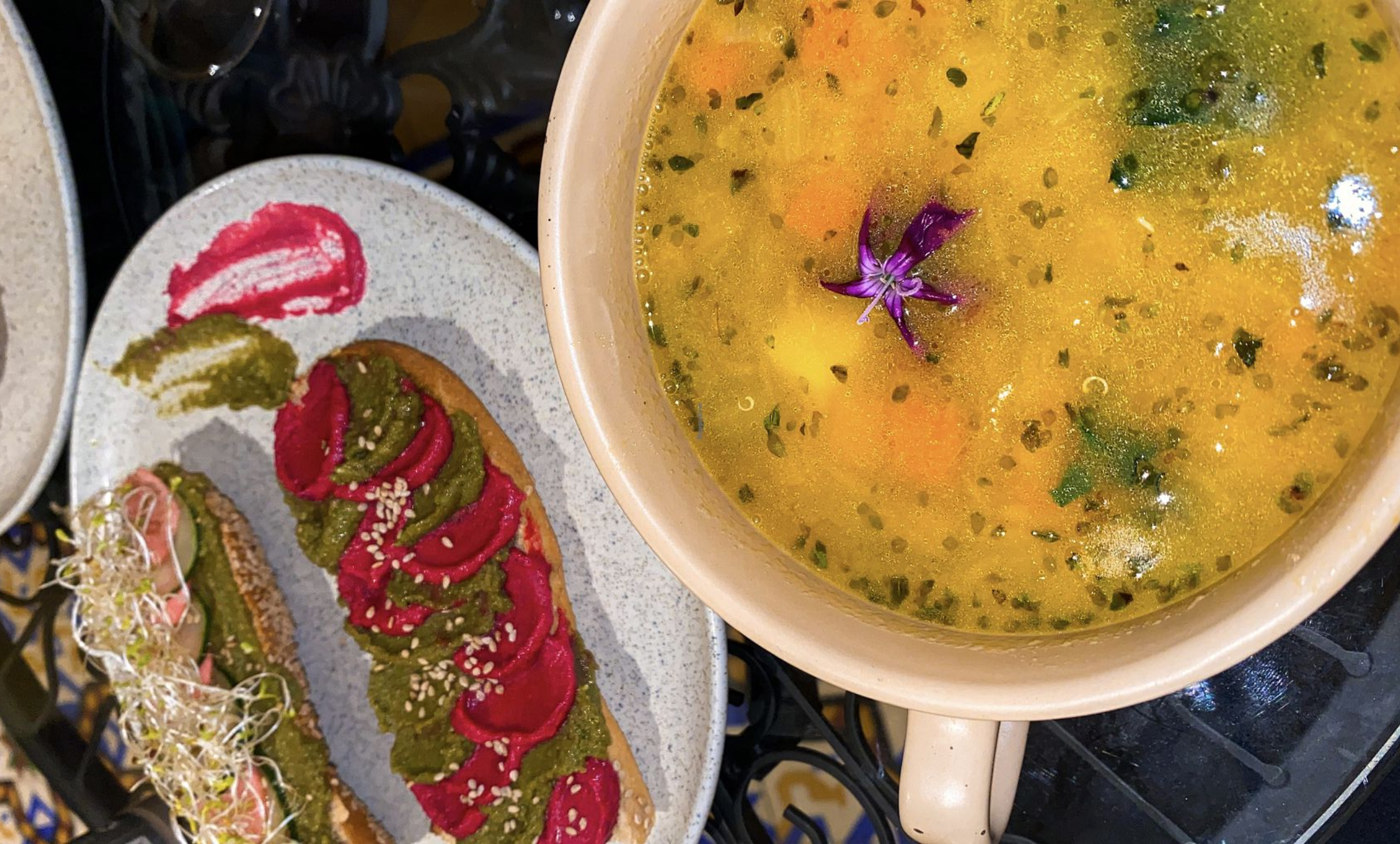
Learn how to prepare hearty soups, spicy sauces like uchucuta, and how to use quinoa, tarwi, and kiwicha—Andean superfoods.
Accommodation is the foundation of cultural exchange. By choosing community-based lodging, you ensure that your money directly supports local families.
Important Note:
Many community lodges are located at high altitude. Be sure to acclimatize in Cusco city before visiting the communities. Coca tea is your best ally!
The rise of this type of travel reflects a global shift in traveler mindset:
According to the World Tourism Organization (UNWTO), tourism focused on culture and authentic experiences is one of the fastest-growing segments, especially in the post-pandemic era.
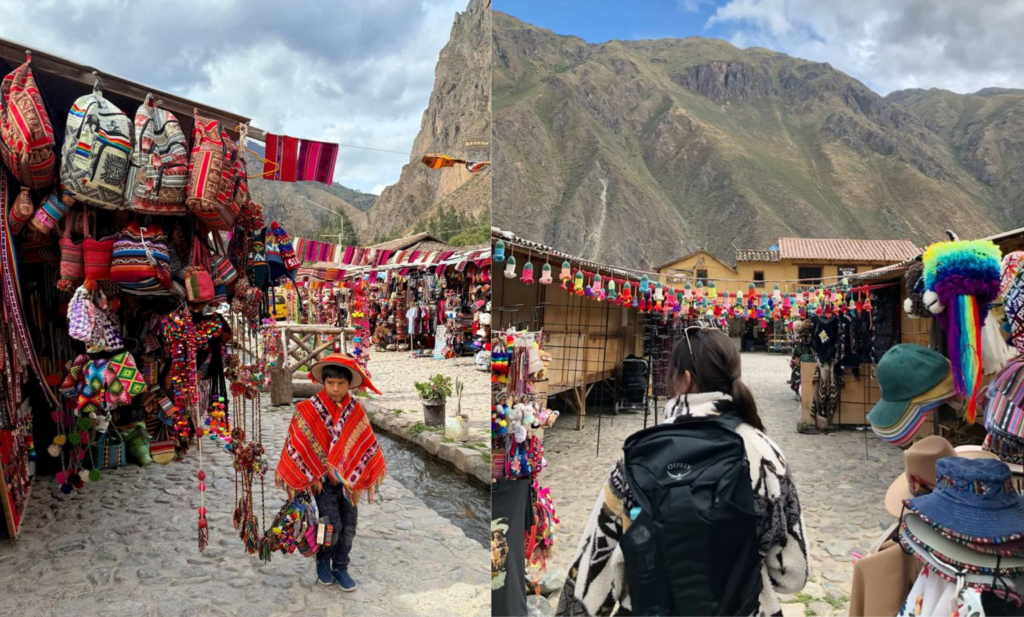
To make your immersive tour in Cusco unforgettable and respectful, keep these recommendations in mind:
Cusco invites you to go beyond the postcard image of Machu Picchu. It calls you to a journey where history is not only admired—but lived. Community-Based Tourism is the most enriching and responsible way to experience Peru’s cultural wealth, leaving a positive impact on local communities and an unforgettable mark on your own life.
Ready for a journey that truly transforms you?
As a local expert operator in the heart of the Andes, AndeXperience Travel Agency works directly with communities to offer authentic, safe, and high social-impact experiences.
Book your next adventure with us and live the real Peru.












Company name: Andexperience Travel Agency S.A.C.
Ruc: 20614773210



Copyright © 2026. AndeXperience Travel. All Right Reserved