
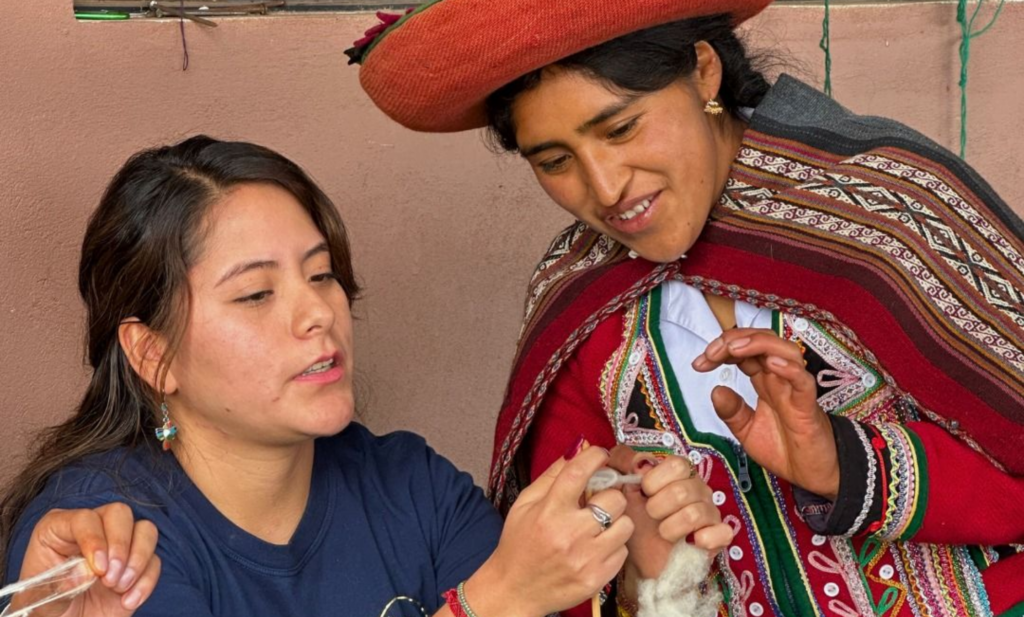
Peru is much more than its ancient ruins; it is a country that beats to the rhythm of ancestral customs, colorful festivities, and rituals that unite the Inca past with the present. If you are looking for a journey that offers a genuine connection, Peruvian traditions for travelers are your gateway.
Here, every dish, every textile, and every celebration is a history lesson and an offering to life itself. In this article, you will discover the most important Peruvian customs, from the Andes to the coast. Get ready to understand why cultural tourism in Peru is one of the richest cultural experiences you can ever live.
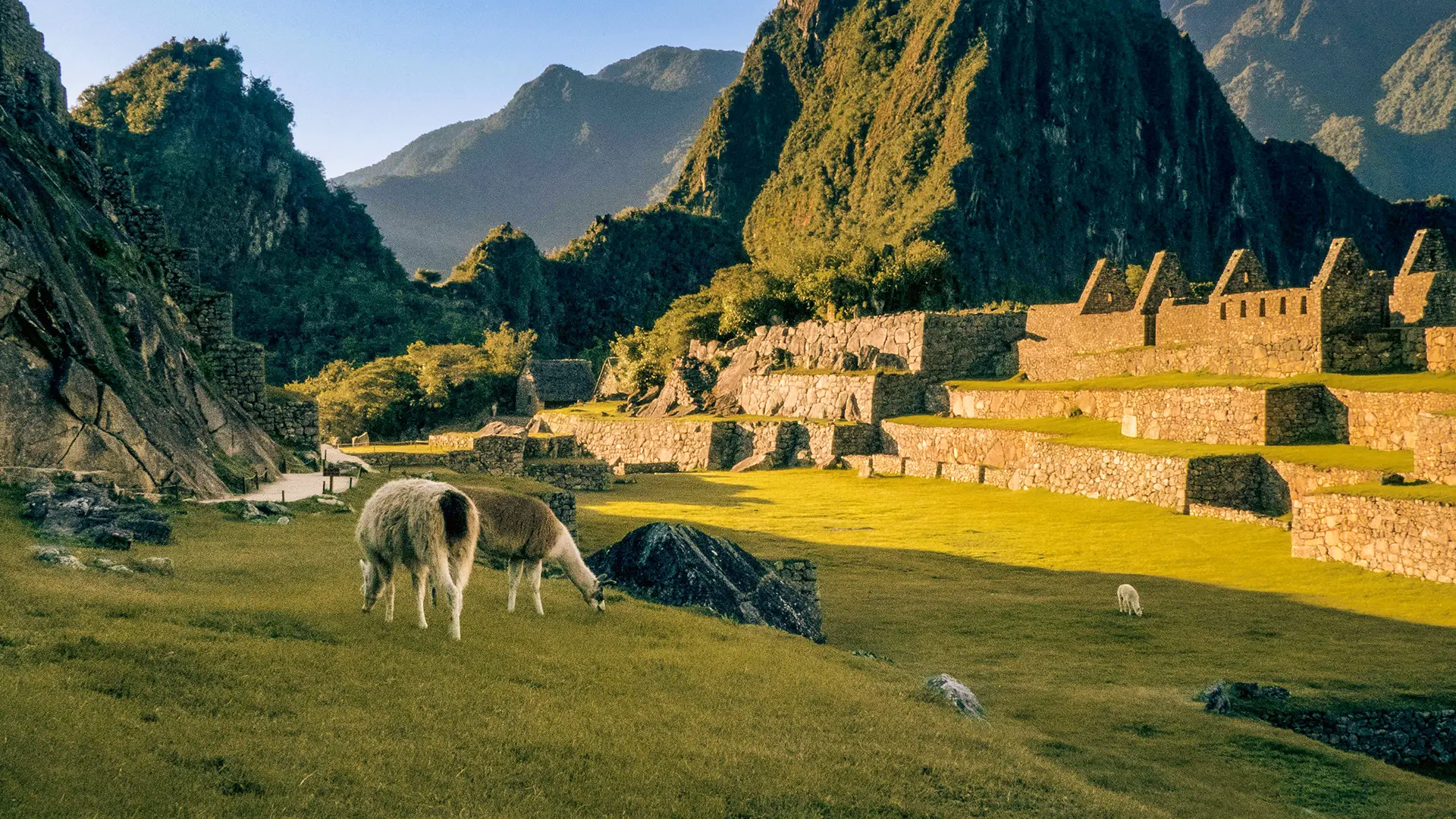
One of the most important Peruvian traditions—and one that defines life in the Andes—is the deep connection and respect for nature, embodied in Pachamama (Mother Earth). This ancestral Andean belief is the backbone of Quechua communities.
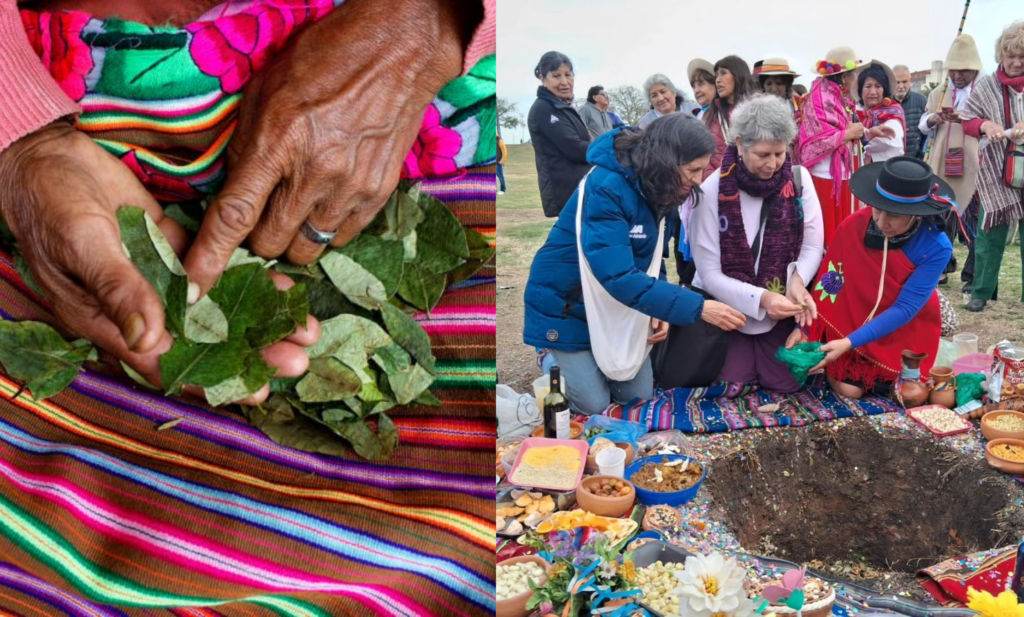
Pachamama is considered a living deity who provides sustenance and protection, and to whom gratitude must constantly be shown. For this reason, any important event—such as a journey, planting, harvesting, or building a house—begins with an Offering or “Payment to the Earth.”
This ritual is one of the most moving Andean traditions in Peru. A shaman or paqo (Andean priest) prepares a “despacho”, a ceremonial bundle made with coca leaves, seeds, sweets, incense, alpaca wool, and symbolic precious metals.
The despacho is buried or burned while prayers are recited in Quechua, asking permission and blessings from Pachamama and the Apus (mountain spirits).
Tourism Relevance:
Today, many communities in Cusco and the Sacred Valley invite travelers to participate in a ceremonial Pago a la Tierra. It is one of the most authentic cultural experiences in Peru for understanding the Andean worldview.
Traveler Tip:
The most important ritual dedicated to Pachamama takes place every August 1st, marking the beginning of the month when the Earth “opens her mouth” to receive offerings and ensure fertility for the coming season.
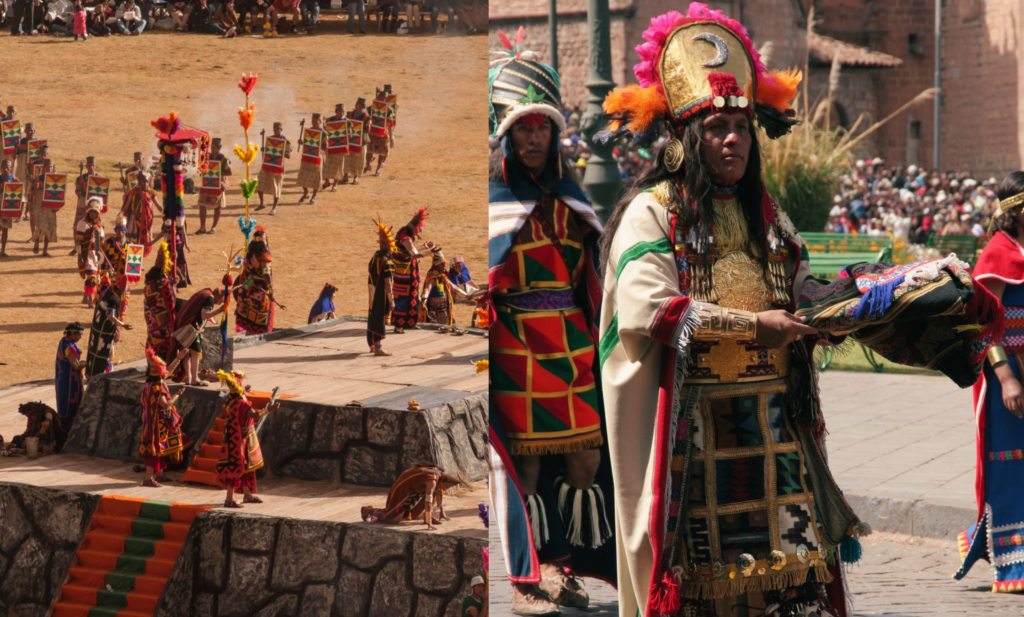
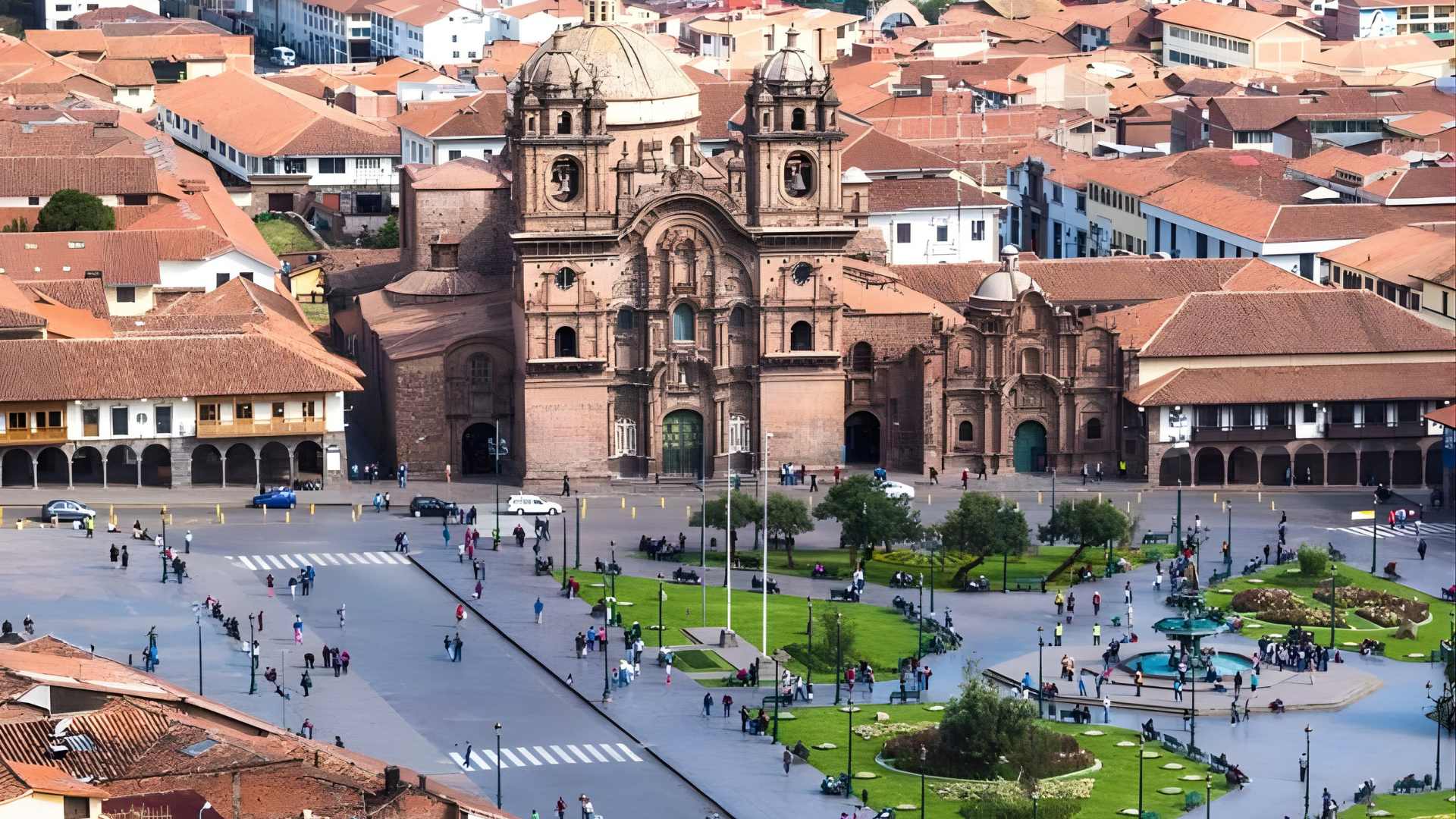
Inti Raymi (Festival of the Sun) is celebrated every June 24th, coinciding with the southern winter solstice, which marked the beginning of a new year for the Incas. Originally, it was a ceremony of gratitude to the Sun for the harvests and a plea for its return to ensure fertility for the next planting season.
The Immersive Element:
Today, the celebration is a majestic historical reenactment involving hundreds of actors. It is one of the greatest cultural experiences in Peru, allowing travelers to witness—almost firsthand—how ceremonial life unfolded in the Inca Empire.
The ceremony takes place in three historic locations in Cusco, symbolizing the Inca’s journey on the most important day of the year:
Traveler Tip: To experience Inti Raymi at Sacsayhuamán, it is essential to book tickets well in advance. If you don’t have a seat in the central area, you can join thousands of locals and visitors on the surrounding hillsides for a general (and free) view of the celebration.
Attending Inti Raymi is one of the most impactful Peruvian traditions for travelers. The sound of pututus (conch horns), drums, and the vibrant colors of the costumes transport you to another era.
Practical Recommendation:
Dress warmly (June is winter in Cusco), wear sunscreen due to the intensity of the Andean sun, and stay well hydrated. The altitude and the duration of the event (over six hours) require preparation.
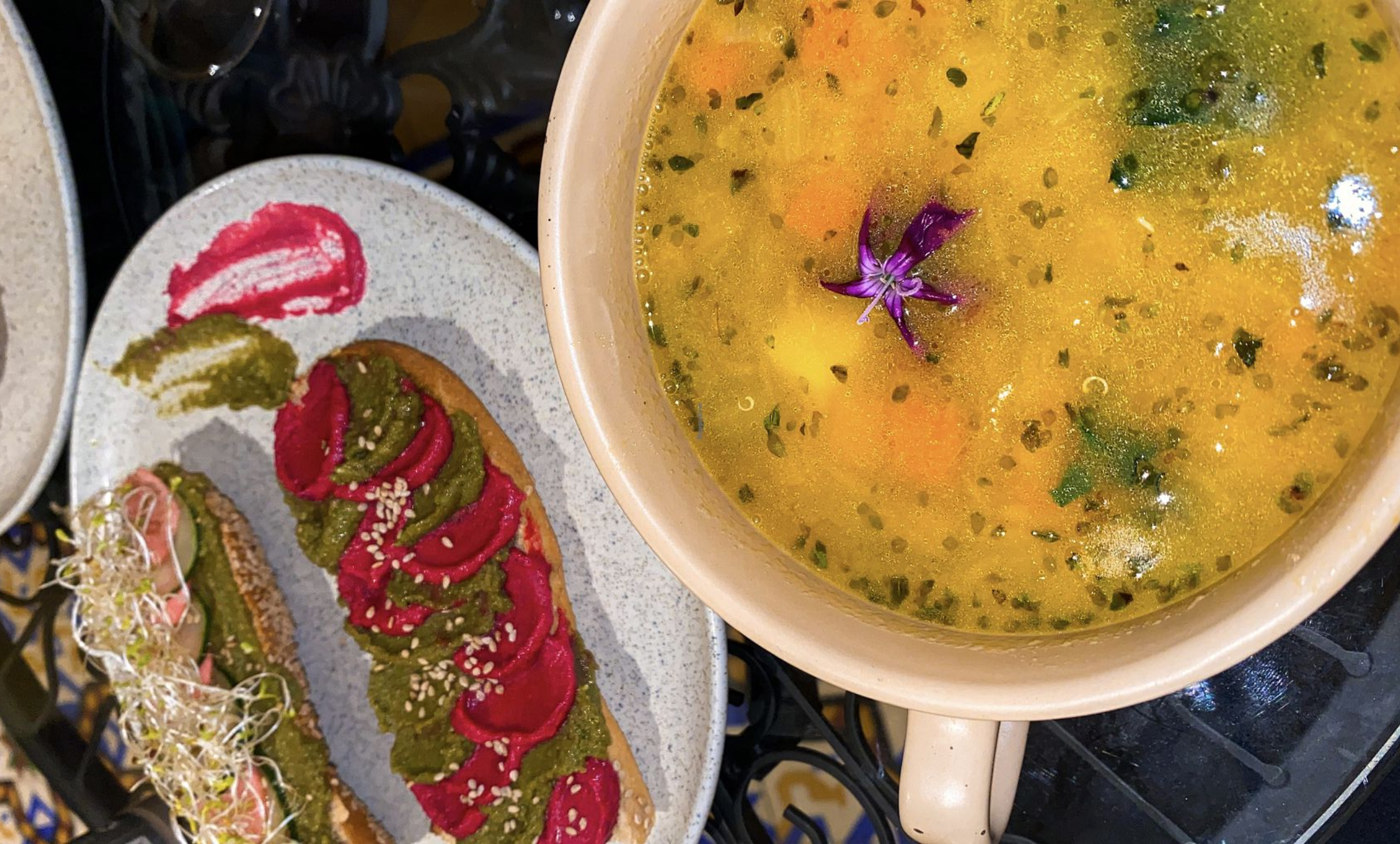
Peru is internationally recognized as a gastronomic paradise, but food here is more than pleasure; it is a cultural tradition that reflects the mix of civilizations that have shaped the country: Indigenous, Spanish, African, Chinese (Chifa), and Japanese (Nikkei). Cuisine is the most delicious expression of Peruvian mestizaje.
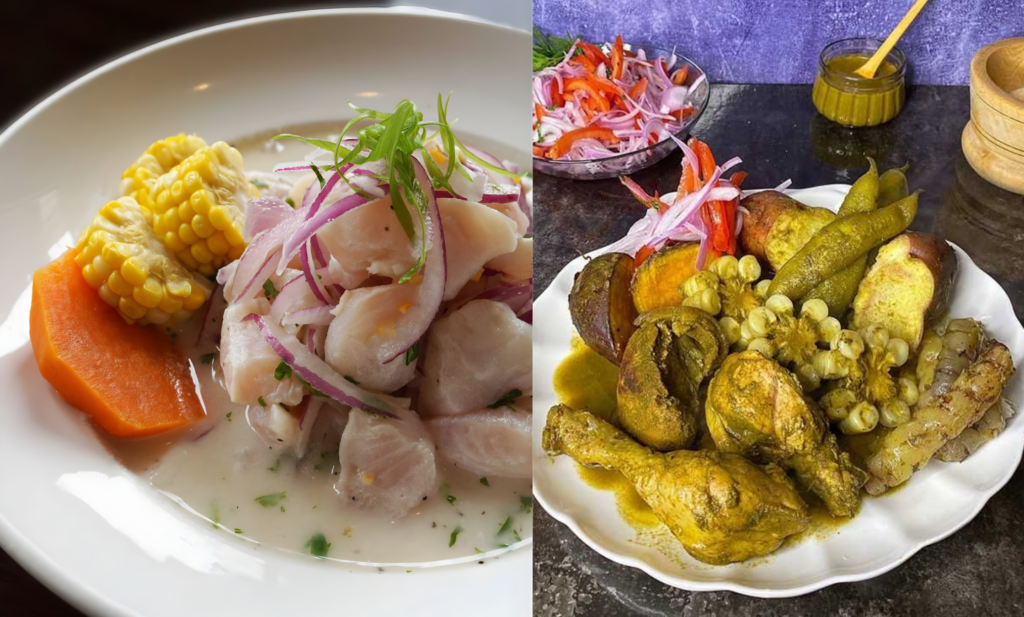
When it comes to coastal Peruvian traditions, ceviche is the undisputed king. It is not just an iconic dish; it is identity, pride, and ritual. In Peru, ceviche is traditionally eaten at midday, when the sun is high and the ocean has delivered its freshest bounty.
Why? The tradition dates back centuries. Artisanal fishermen prepared ceviche using the freshest fish of the day, just pulled from the sea. Onboard their boats, they seasoned the fish with lime, salt, and chili, consuming it almost immediately. What began as a daily practice eventually became a beloved national delicacy.
Key Ingredients:
Fresh white fish, lime, chili pepper, red onion, cancha (toasted corn), and sweet potato.
Must-Do Experience:
In Lima, the gastronomic capital, wake up early, visit a local market to see the day’s fresh catch, and then enjoy ceviche at a traditional cevichería. It’s an essential cultural immersion.
Traveling to the central Andes, you’ll encounter Pachamanca, one of Peru’s most ancient culinary traditions, with roots dating back thousands of years. Meats (lamb, pork, or chicken) and tubers (potatoes, sweet potatoes, yucca) are cooked underground over hot stones.
The smoky, earthy, and deeply rich flavors are unforgettable. Taking part in a Pachamanca is one of the best cultural experiences in Peru, as it involves working with the earth and sharing food communally.
Peruvian traditions come alive through their festivities, many of which are born directly from the ancestral bond between people, the land, and the agricultural calendar. In the Andean world, celebrating is not just about festivity—it is about gratitude, asking permission, and strengthening community ties.
Before grand stages and massive parades, Peru’s most authentic celebrations take place in the fields, within communities, and according to the agricultural cycle. Planting and harvest festivals—such as Saqra Raymi, Paukar Raymi, and local ceremonies honoring Pachamama—are still practiced in many rural areas of Cusco and the Andes.
These festivities are accompanied by traditional music played with quenas, pan flutes, charangos, and drums, and by dances that seek spiritual connection rather than spectacle. There are no stages or spectators—everyone participates.
Location: Andean communities of Cusco, the Sacred Valley, and rural areas of the Andes.
Cultural Value: They represent the Andean worldview in its purest form: respect for Pachamama, collective work (ayni), and the continuity of ancestral knowledge passed down through generations.
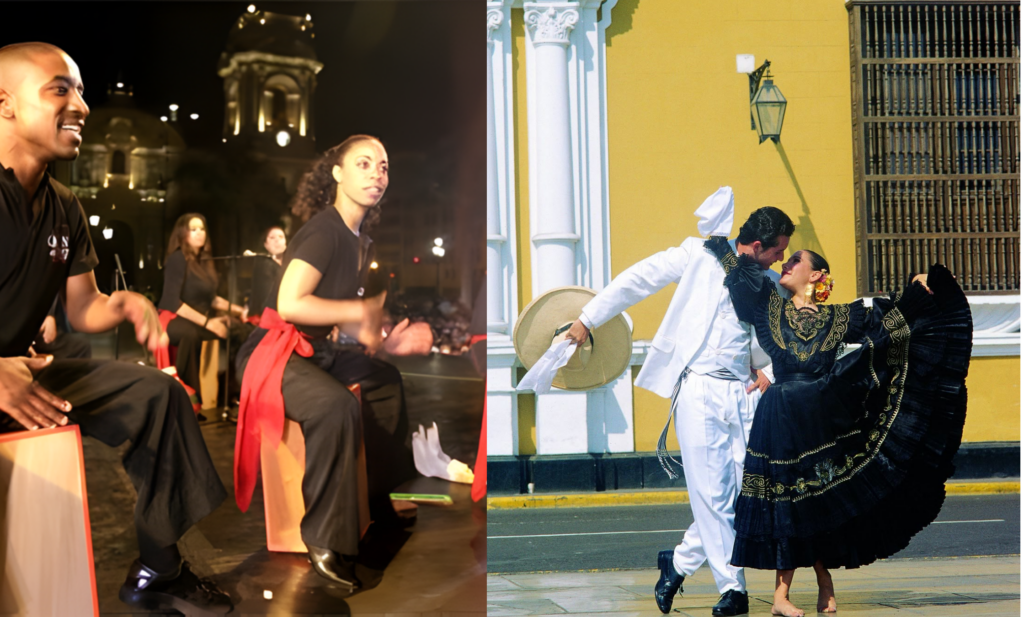
On the northern coast, Marinera is the national dance of Peru—an elegant courtship dance performed with handkerchiefs and without physical contact. It is a living expression of Peruvian mestizaje, blending Indigenous, Spanish, and African heritage.
It is often accompanied by the Peruvian Cajón, a percussion instrument born from the creativity of African slaves and now one of the country’s most recognizable musical symbols.
Must-Do Experience:
If you visit Trujillo or Chiclayo, look for a traditional peña to enjoy Marinera in its natural setting, where music is lived, not staged.
Important Note (Local Tip):
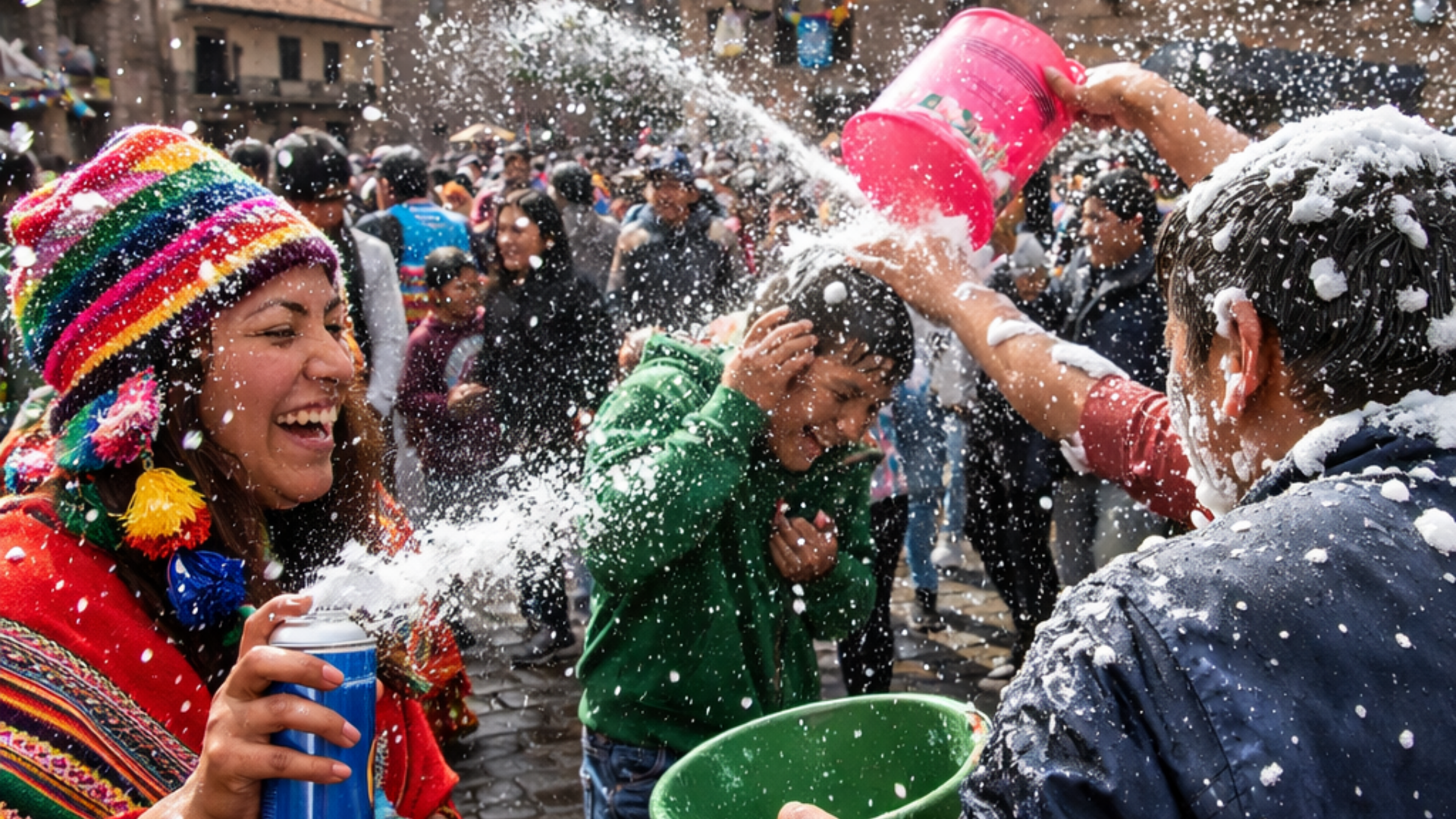
If you travel to the Andes between February and March, you may experience the Andean Carnivals, community celebrations linked to the agricultural cycle. Unlike urban carnivals, music, water games, and dance here carry ancestral meanings of fertility, abundance, and renewal.
To fully enjoy cultural experiences in Peru, here are some practical tips for modern travelers:
| Aspect | AndeXperience Recommendation |
| Best Time for Cultural Events | June: Inti Raymi and major festivals in Cusco. October: Lord of Miracles celebrations in Lima. |
| Cultural Integration | Learn basic Spanish and Quechua phrases (“Thank you” is Solpayki in Quechua). Always ask before taking photos of people. |
| What to Pack | Layered clothing for the Andes, sunscreen, a hat, and plenty of curiosity. |
| Respect for Customs | During ceremonies like Pago a la Tierra, follow your guide’s instructions. Coca leaves are sacred—treat them with respect. |
When enjoying Peruvian traditions, make sure your journey benefits local communities:
Peru is a country that offers history at every archaeological site and nourishes the soul through its living traditions. By experiencing the most important Peruvian customs—from Andean rituals to world-renowned cuisine—you take home more than memories: you gain a new perspective on life.
Your journey is not just about seeing; it is about feeling, tasting, dancing, and honoring the Earth. This is the true essence of cultural tourism in Peru.
Book your next adventure with AndeXperience Travel Agency and experience authentic Peru, fully immersed in its most captivating traditions.







Company name: Andexperience Travel Agency S.A.C.
Ruc: 20614773210



Copyright © 2026. AndeXperience Travel. All Right Reserved