
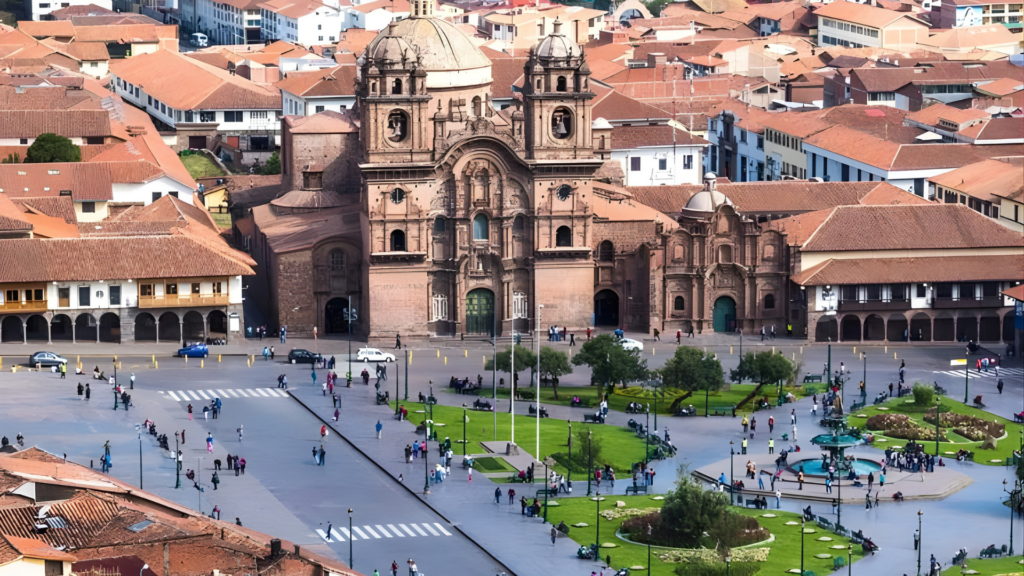
Plaza de Armas Cusco is much more than a simple public space. This place is a time capsule—the exact point where the majestic Inca Empire and the ambitious Spanish colony collided, creating a unique architectural and cultural result found nowhere else in the world, with an incredible magic that captivates everyone who visits.
Here, at 3,399 meters (11,150 ft) above sea level, the air smells of history and Andean tradition. In this article, you will discover what to see at Plaza de Armas Cusco and dive into the history hidden behind its mestizo baroque architecture.
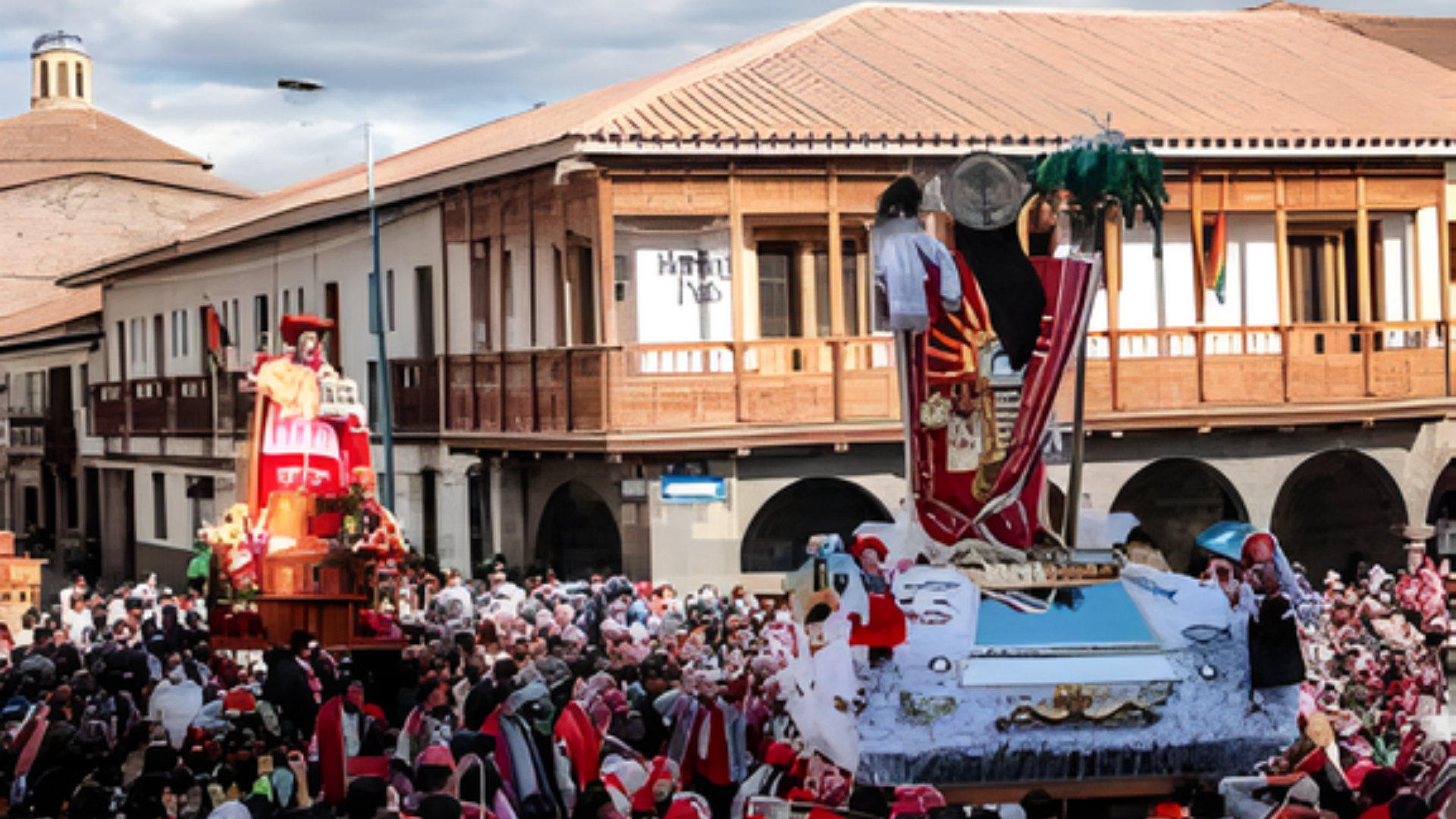
During the time of the Tawantinsuyo (Inca Empire), the Plaza de Armas of Cusco was known as Huacaypata (or Aucaypata), which in Quechua means “place of weeping” or “place of gathering.” It was the main ceremonial square of the Inca era. This was where the greatest festivities took place, such as Inti Raymi (Festival of the Sun), and where the political and religious life of the “Navel of the World” unfolded.
When the Spanish conquerors arrived in 1533, history repeated itself. On this sacred ground, they built the colonial plaza we see today, erecting churches and colonial mansions on top of Inca foundations. This marked a violent yet creative transformation, making the plaza a living testimony to Andean resilience and the overlap of two completely different cultures.
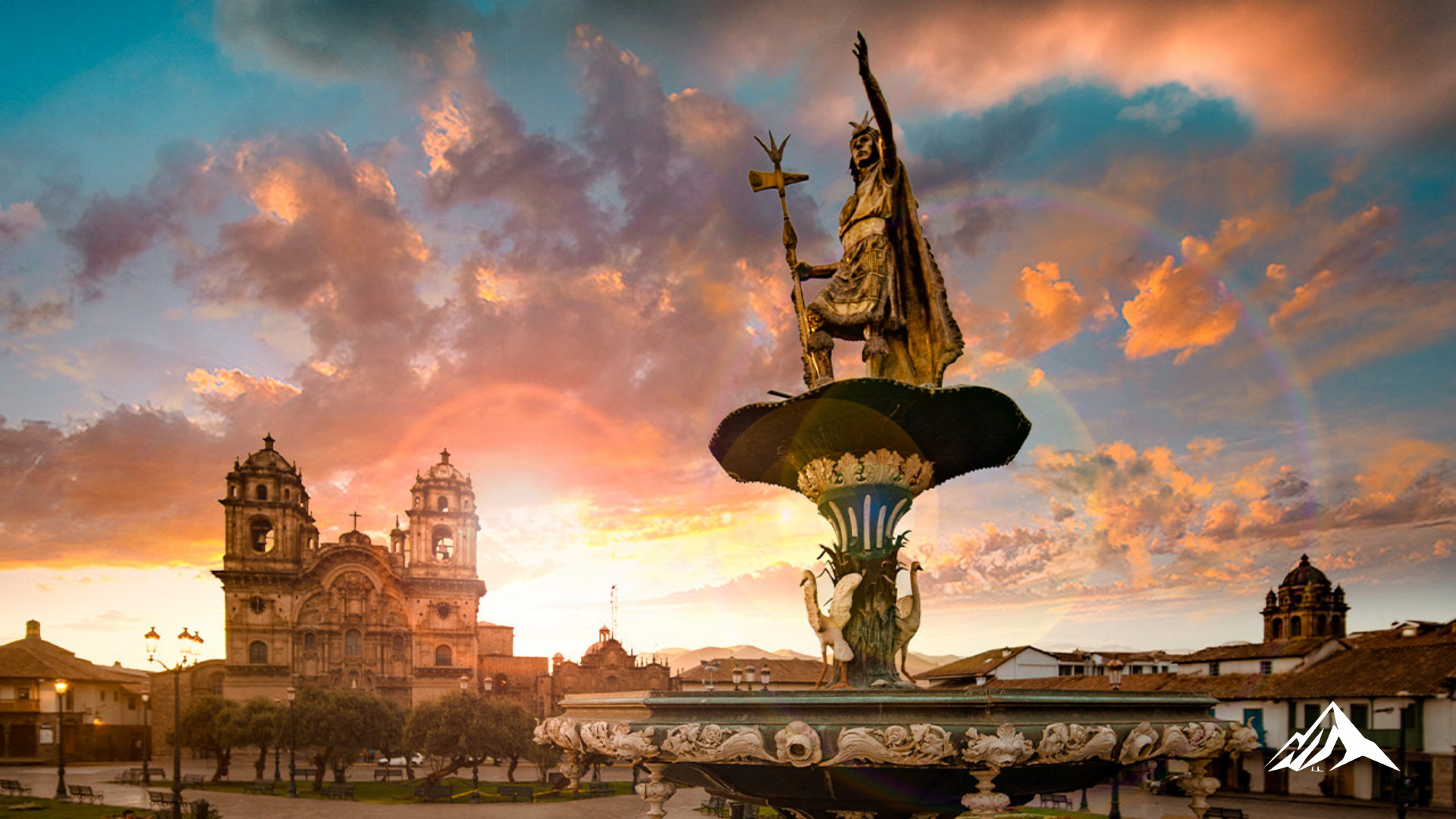
Traveler’s Tip: Beneath the central fountain of the plaza (which today features a statue of Pachacútec, the great Inca builder), it is rumored that remnants of the original Inca ceremonial platforms still exist, creating a powerful connection between these two defining periods in Cusco’s history.
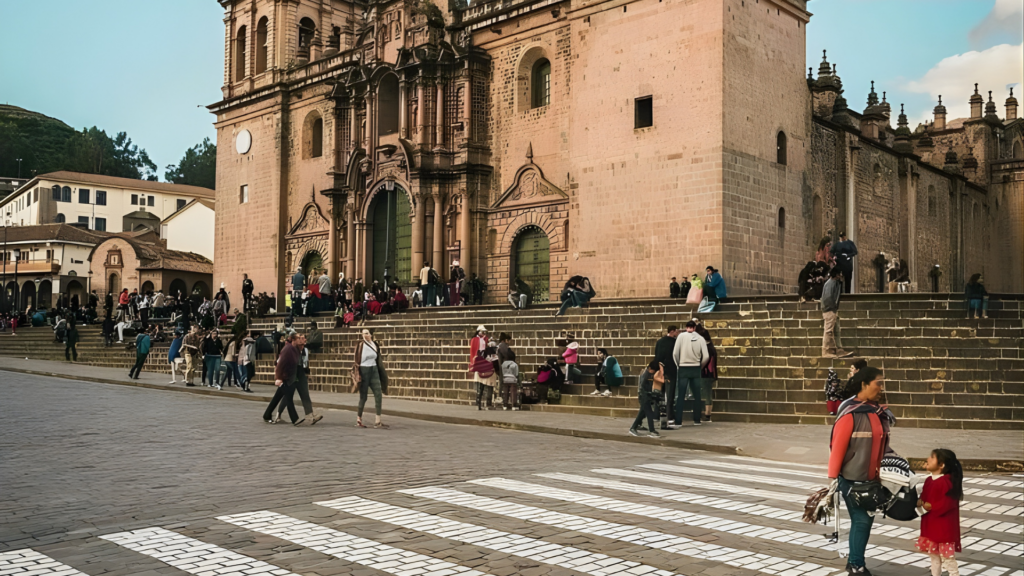
The architecture of the plaza is the purest example of a style that brings together two very different worlds, creating a bold fusion of Spanish Baroque and Andean design.
Andean artisans, while working for the Church and the Crown, incorporated their own worldview into the details, introducing elements such as:
This blend of Inca and colonial architecture is the result of the genius of a people who adapted, transformed, and preserved their identity through art.
The surroundings of Cusco’s Plaza de Armas are an open-air museum, but there are three must-see landmarks during your visit:
Built from andesite stone, Cusco Cathedral is the city’s main temple. Its construction took nearly a century and was completed in 1654, standing exactly on the former palace of the Inca Wiracocha. Today, the cathedral houses one of the most valuable collections of colonial art in all of the Americas.
Must-See: Look for the painting “The Last Supper” by Cusco artist Marcos Zapata. You’ll notice that the main dish is not lamb—but cuy (guinea pig)! An iconic example of cultural fusion.
Considered by many to be the architectural jewel of the plaza. The Jesuits wanted their church to be more magnificent than the Cathedral, and its façade—with its Solomonic columns and elaborate decoration—stands as proof of that rivalry. It is the most exuberant example of mestizo baroque in Cusco.
Must-See: Head up to the second floor for a spectacular view of Plaza de Armas Cusco from its balconies. It is the best viewpoint of the square.
Don’t forget to walk beneath the arches of the portals that surround the plaza. These structures house historic cafés, restaurants with panoramic balconies, and artisan shops. Their carved wooden balconies are typical of Cusco’s colonial architecture and offer the perfect shade to enjoy a coffee while watching the pulse of the city.
The area around Plaza de Armas is not just history—it is the epicenter of social and culinary life, where tradition meets modern haute cuisine.
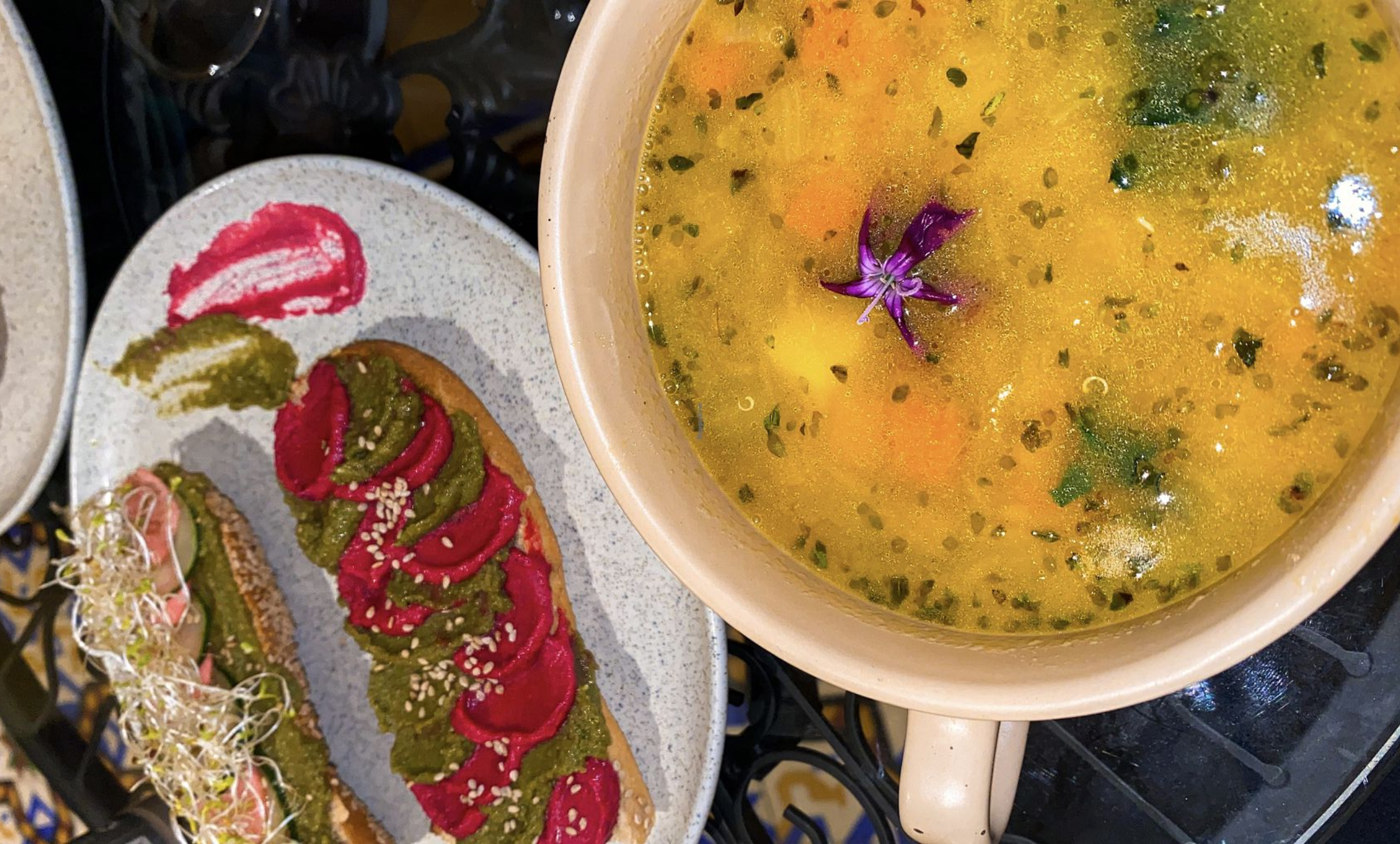
Cusco is a paradise for food lovers, and the plaza offers unique dining experiences. Many restaurants on the upper floors of the portals feature balconies with privileged views of the Cathedral. It is the perfect place to try dishes such as:
Important Note: While there are fine-dining options, don’t hesitate to explore streets near the plaza, such as Procuradores Street, where you’ll find more traditional and affordable eateries (picanterías and chicherías) popular with locals.
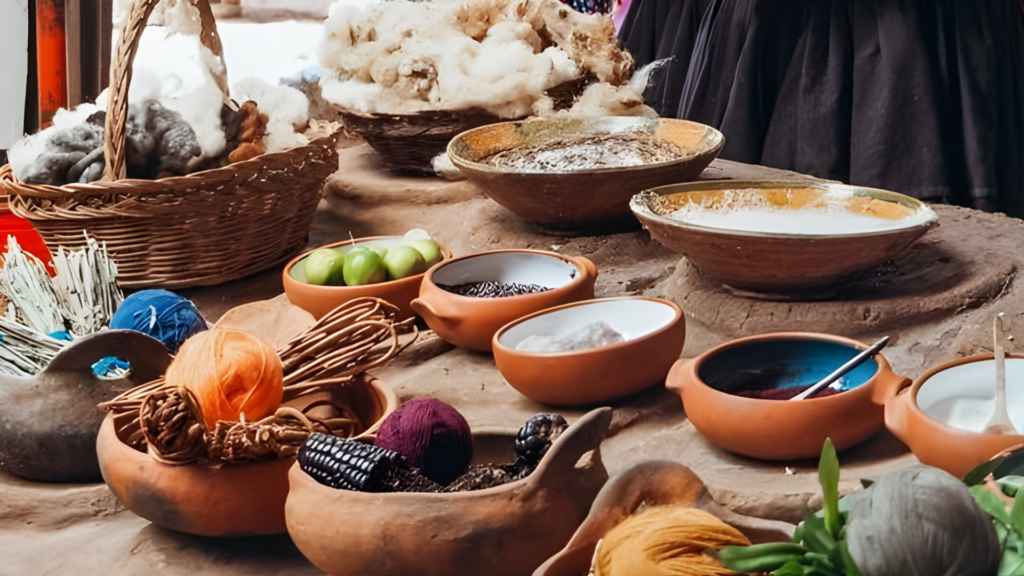
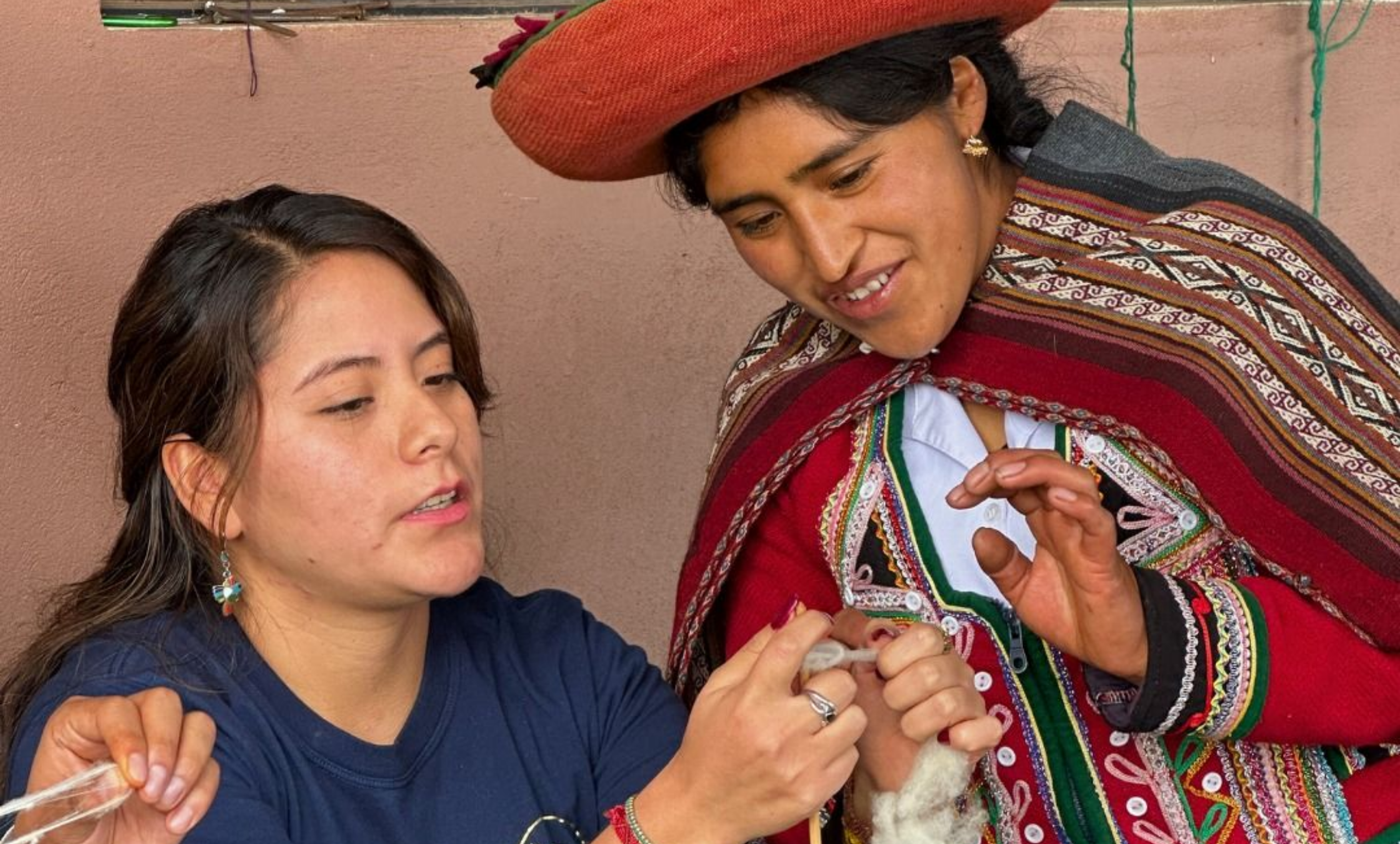
As you walk through the plaza, you’ll see Cusco women wearing colorful traditional clothing. Andean textile art is a pillar of local culture. Every color, design, and fiber tells a story about the community that created it.
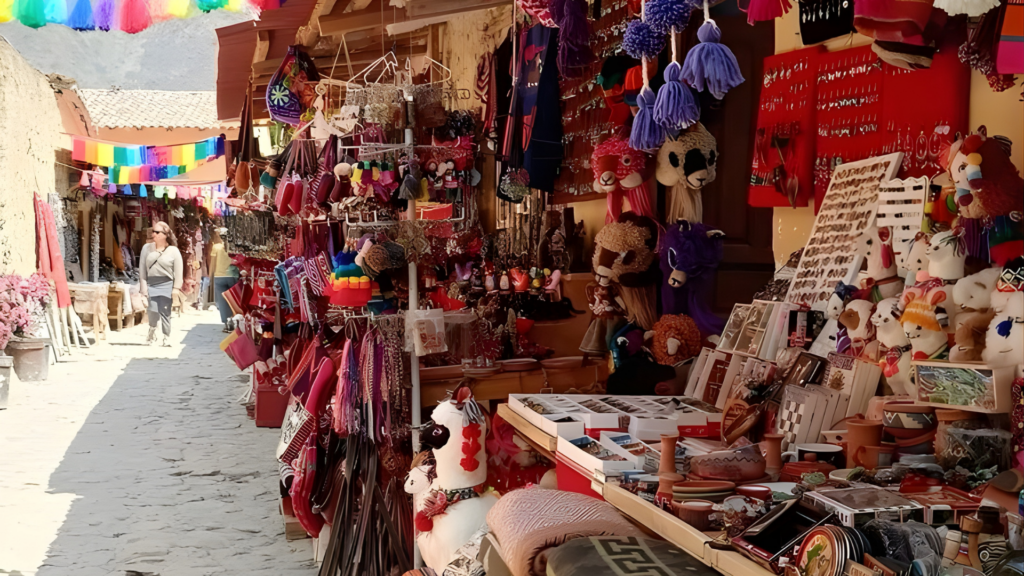
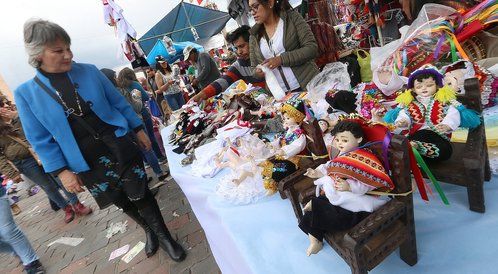
Shopping Tip: If you’re looking for high-quality handicrafts (real alpaca rather than synthetic), ask your guide for advice. It’s best to buy from certified textile centers or specialized artisan markets, away from street vendors in the plaza.
To make your visit to Plaza de Armas Cusco perfect, keep these practical tips in mind:
Cusco has two main seasons:
Pro Tip: Always carry a small umbrella and a warm jacket. The weather can change quickly—from intense sunshine to heavy rain in just minutes.
Plaza de Armas Cusco is the perfect place to begin unraveling the mysteries of Peru. It is a living history lesson, where every stone, arch, and mestizo baroque façade whispers stories of Incas and Conquistadors. This fusion of Inca and colonial architecture is something you won’t find anywhere else.
It’s not just a destination—it’s an experience that changes your perspective on history and art.
Stop dreaming about the Andes and start living them.
Discover this unforgettable experience with AndeXperience Travel Agency.
Book your next adventure with us and experience authentic Peru, guided by experts who will reveal the secrets behind every corner of Plaza de Armas Cusco.






Company name: Andexperience Travel Agency S.A.C.
Ruc: 20614773210



Copyright © 2026. AndeXperience Travel. All Right Reserved