
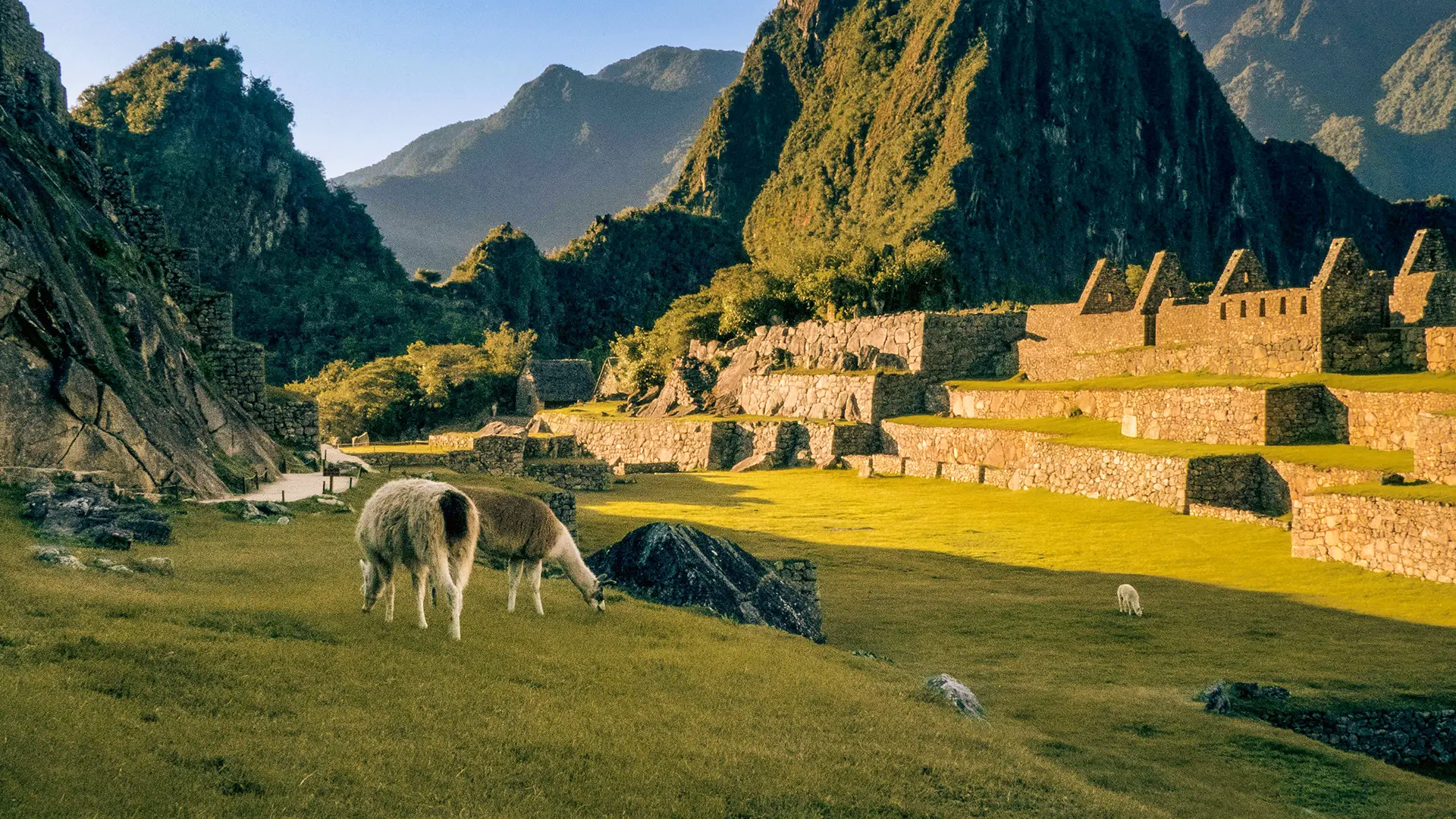
What makes Cusco such a magnetic destination? It’s not only its imposing ruins, such as Machu Picchu, but the palpable energy of its culture—a perfect fusion of Inca heritage and colonial faith. Cusco is a destination that lives to the rhythm of its traditions, with a vibrant calendar of festivities that honor both the Sun (Inti) and Christian saints.
If you are a modern traveler seeking authenticity, you’ve come to the right place. Get ready to immerse yourself in a world where history is expressed through dance, faith is manifested in massive processions, and gratitude toward nature is a daily custom. From the mysticism of the Pago a la Tierra in Cusco to the splendor of Inti Raymi, we will guide you through the cultural experiences that will transform your visit.
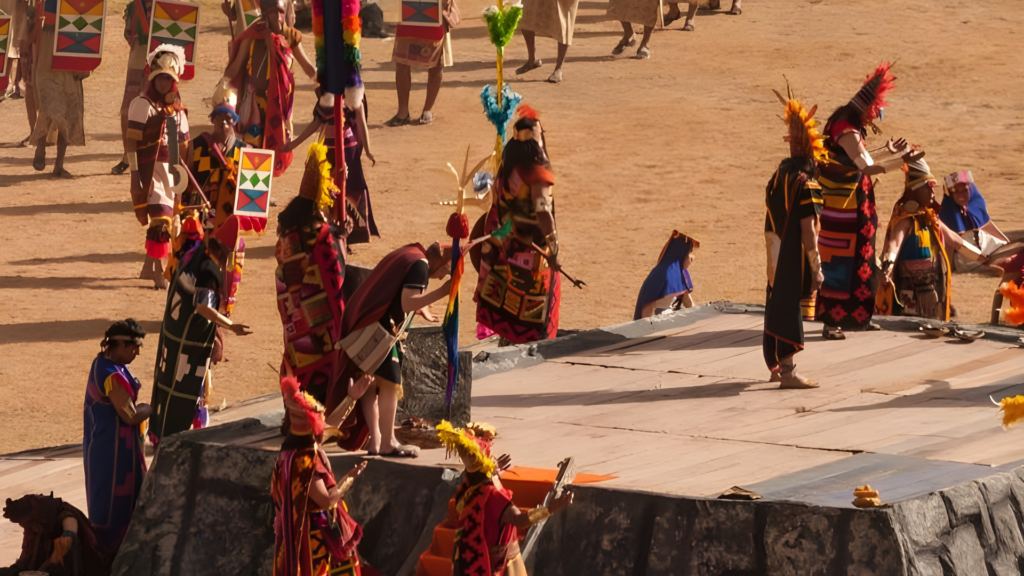
The most important and emblematic celebration of Cusco traditions is Inti Raymi, or the Festival of the Sun. Reenacted every June 24th, this theatrical representation is far more than a show—it is a direct connection to the worldview of the Tawantinsuyu, the Inca Empire.
The original Inti Raymi was the most important religious festival in the Inca calendar. It took place during the winter solstice (the shortest day of the year in the Southern Hemisphere) to ensure the return of the Sun (Inti) and the prosperity of crops. The Incas believed the Sun was their divine father. Although banned by the Spanish in 1572 for being considered pagan, the tradition survived in secrecy and was reinstated as a historical reenactment in 1944.
The modern event unfolds across three key locations:
Traveler’s Tip: Inti Raymi coincides with Cusco Anniversary Week (the last week of June), making this the city’s peak tourist season. Plan and book at least six months in advance.
Cusco’s festivities are a clear example of cultural syncretism—the blending of Catholic religion brought by the Spanish with pre-Columbian Andean beliefs. This cultural duality gives the celebrations an unmatched intensity and beauty.
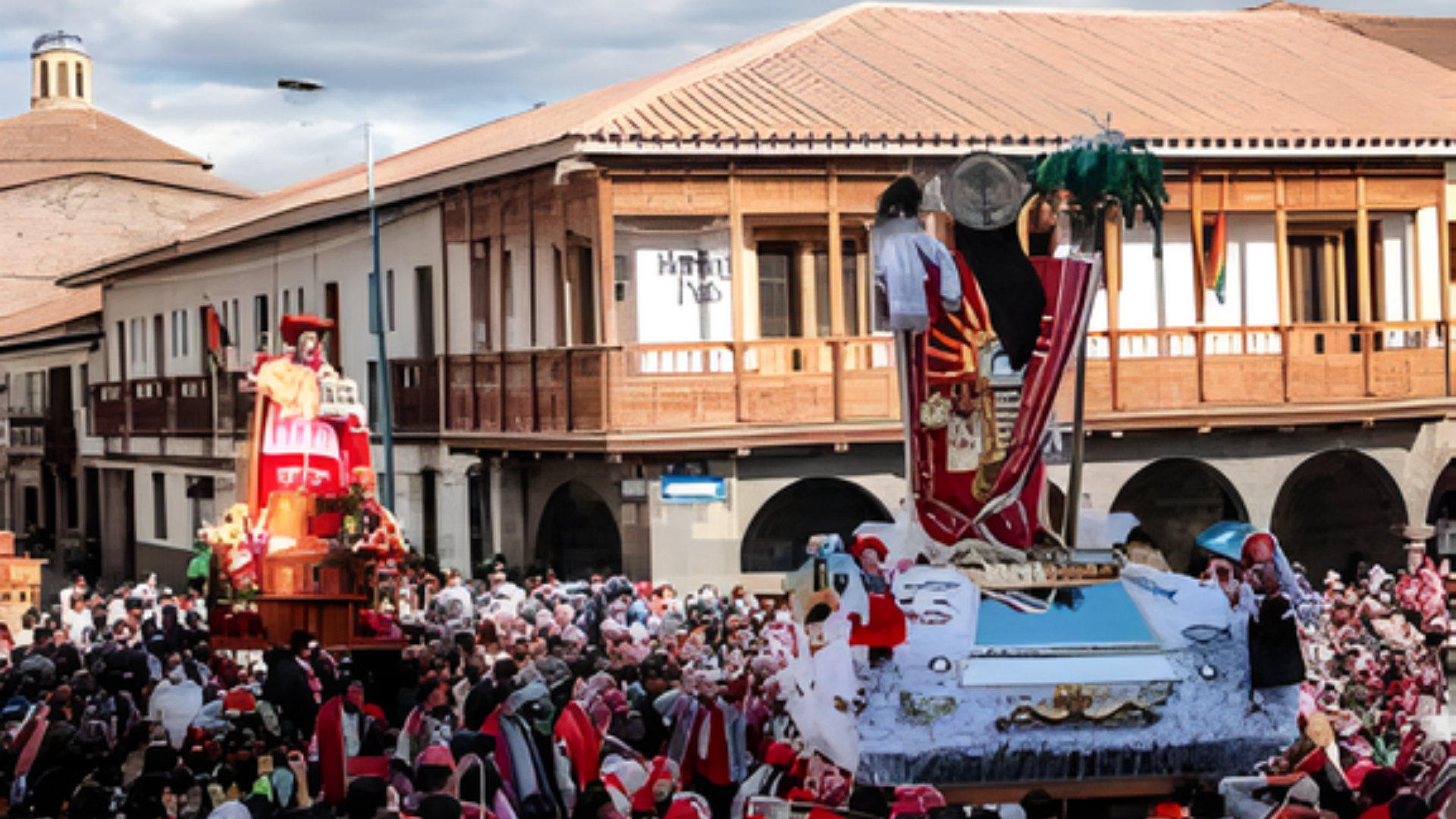
One of the most massive and moving processions takes place on Holy Monday during Holy Week in Cusco. The central figure is Taytacha Temblores (Lord of the Earthquakes), considered the sworn patron saint of Cusco.
Tradition tells that in 1650, a violent earthquake struck the city, and the population carried the Christ of the Good Death in procession. The earthquake stopped, and since then, this image of Christ—darkened by candle smoke and time—has been revered as the city’s protector. The procession becomes a sea of faith and devotion.
Route Recommendations:
Delving deeper into Cusco traditions, we find two customs that, while different, reflect the deep connection between the people of Cusco and their environment: nature and art.
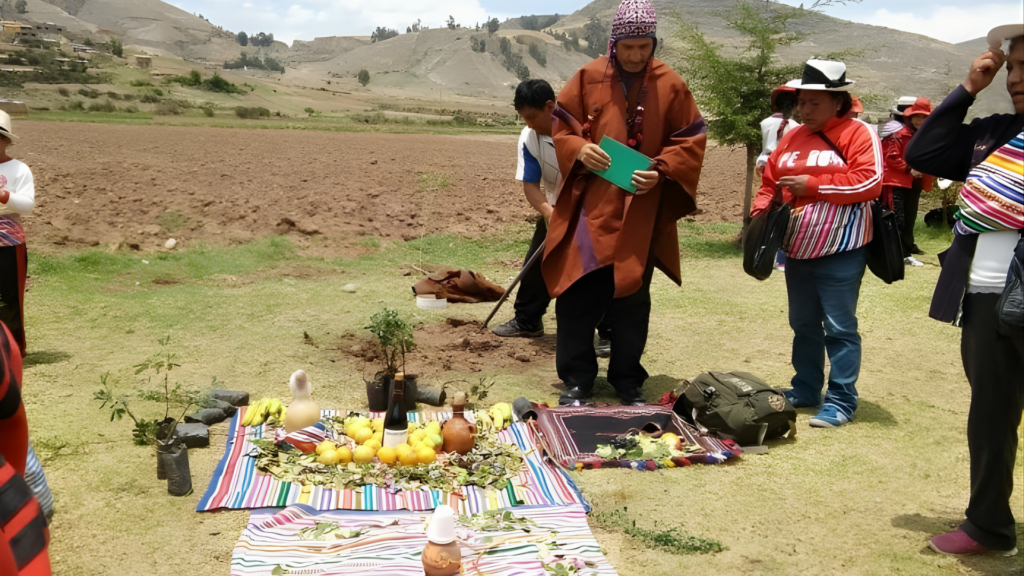
The Pago a la Tierra in Cusco is not a festival but a ritual of gratitude and reciprocity. Pachamama (Mother Earth) is the Andean deity who gives life, protection, and nourishment. Before planting, traveling, or starting a business, it is customary to make an offering to ask for permission and give thanks.
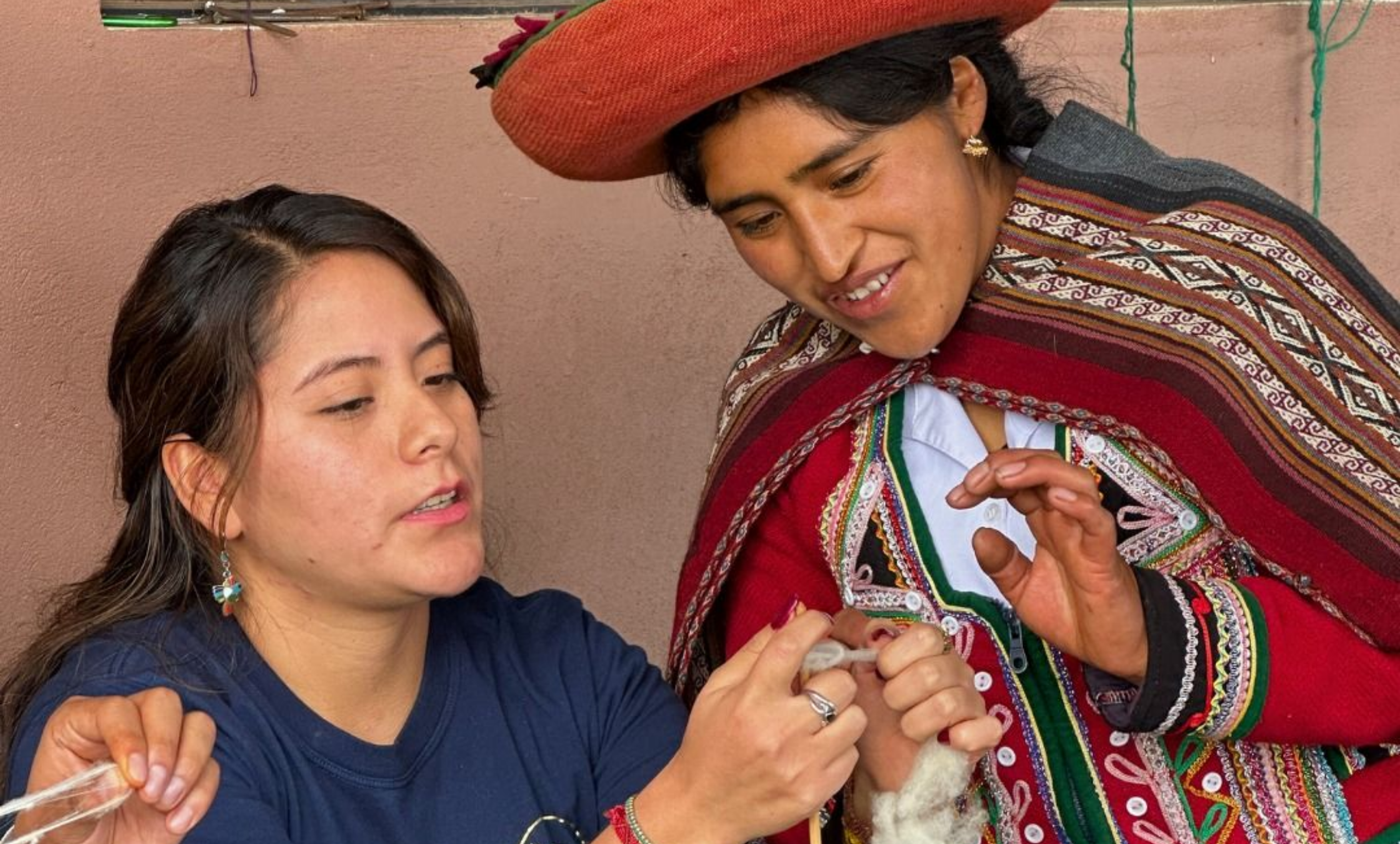
The ritual is performed by a shaman or paqo and involves burying a despacho (ceremonial bundle) that includes coca leaves, seeds, sweets, colored wool, and sometimes a small portion of alcohol or chicha.
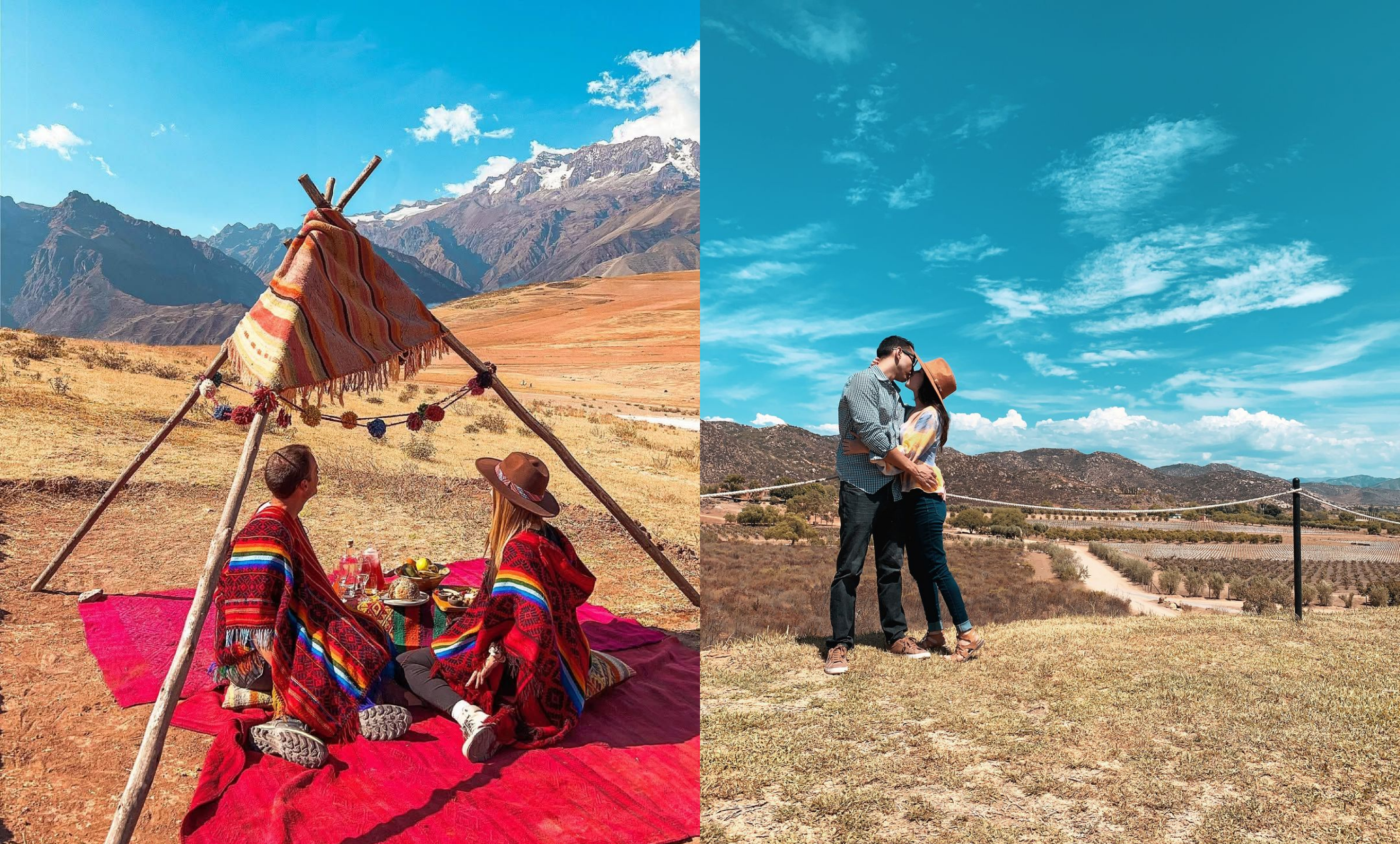
Immersive Experience: AndeXperience Travel Agency offers the opportunity to participate in an authentic Pago a la Tierra in the Sacred Valley, guided by a local shaman—an experience that goes far beyond tourism.
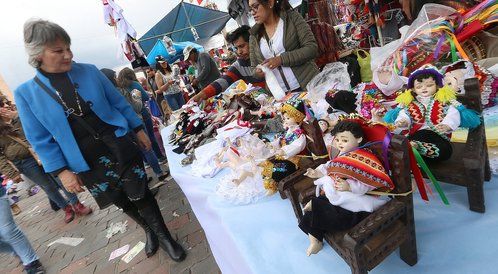
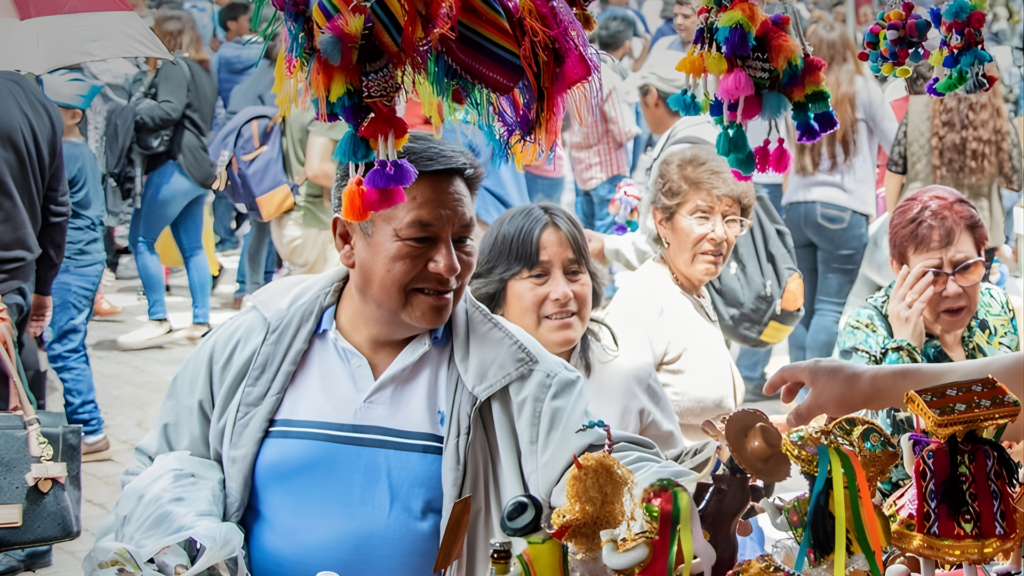
As mentioned before (and essential to Cusco traditions), Santurantikuy Cusco (December 24th) is the quintessential Christmas fair. It is the market where Andean folk art comes together to sell figures for nativity scenes.
Must-See: Look for the Niño Manuelito, the central figure, along with clay and wooden miniatures representing everyday Andean life (vendors, bakers, farm animals).
Experiencing these traditions requires planning. Here is essential information to ensure a seamless trip.
| Festivity | Key Date | Recommendation |
|---|---|---|
| Inti Raymi | June 24 | Dry and cold weather, but very crowded. Booking early is MANDATORY. |
| Holy Week | March/April | Dates vary. Strong emotional and spiritual atmosphere. Transitional climate. |
| Santurantikuy | December 24 | Rainy season, but a unique cultural experience. Fewer crowds than June. |
Cusco is located at over 3,399 meters (11,150 ft) above sea level. It is essential to take one or two days to acclimatize, rest, and drink coca tea. This will ensure you fully enjoy Cusco’s festivities.
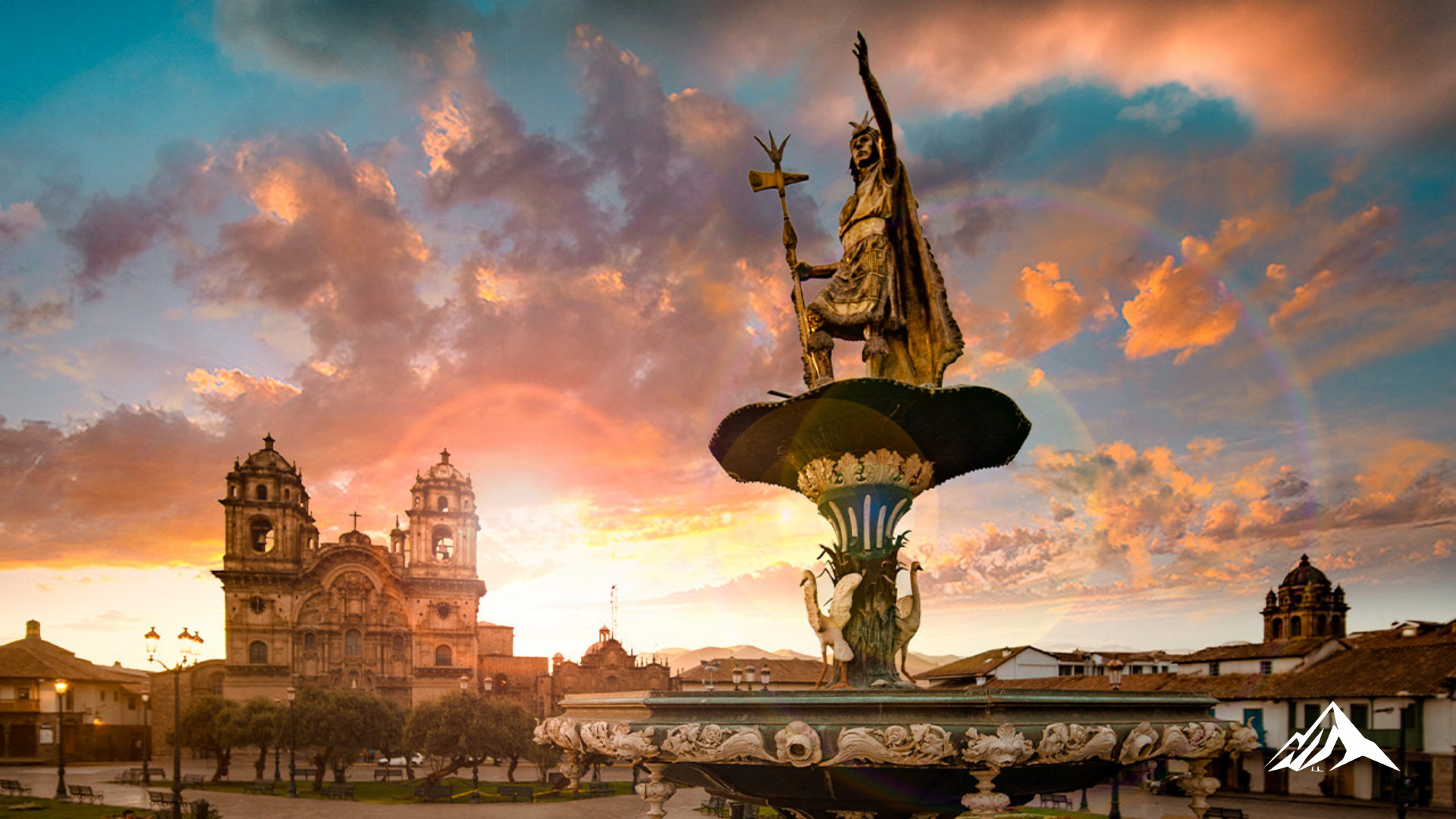
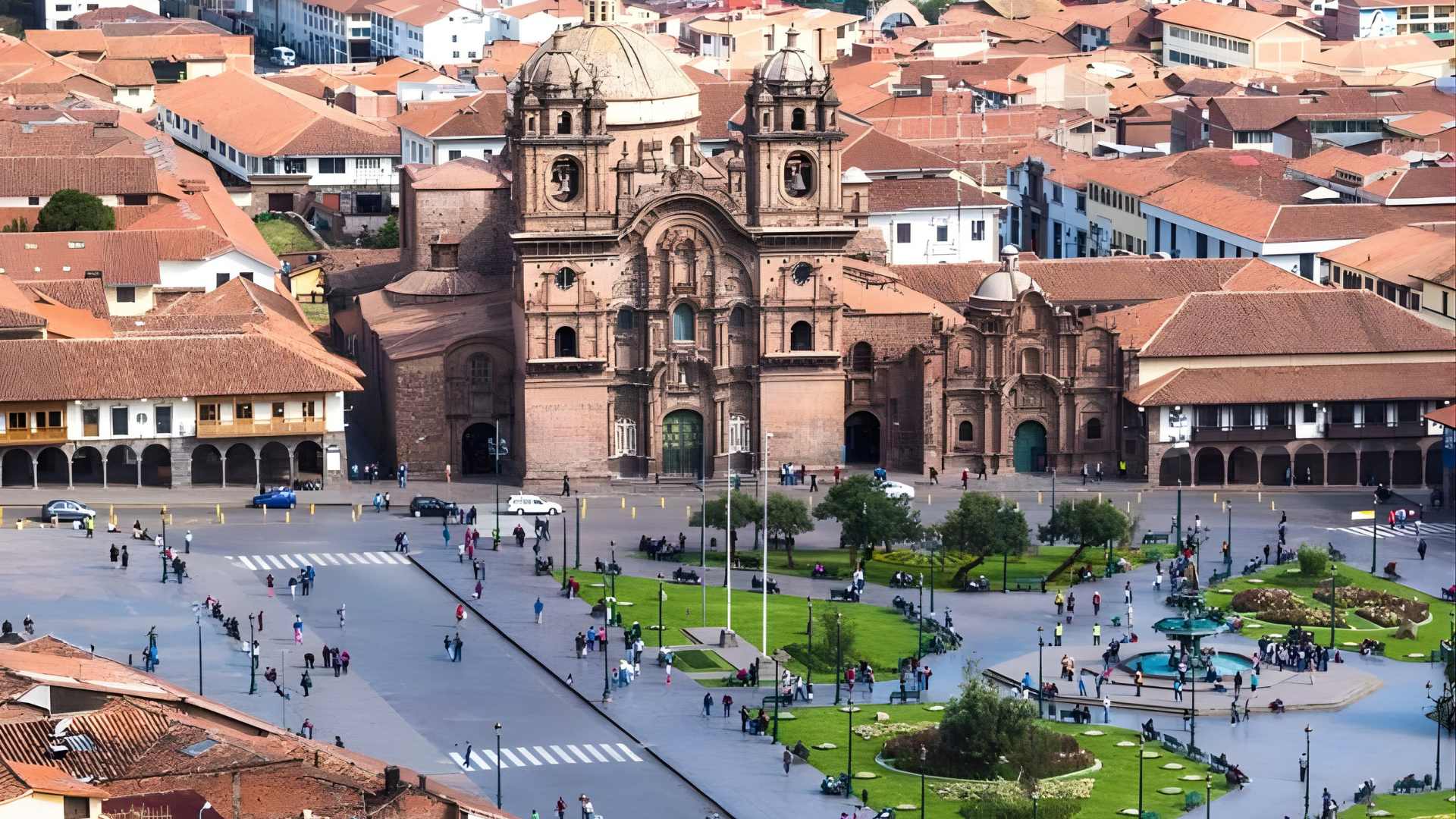
The Historic Center is the best base, as most Cusco traditions take place around the Plaza de Armas. For a quieter experience, consider staying in the Sacred Valley (Urubamba or Ollantaytambo) on days without major festivities.
Cusco is a city that invites you to go beyond the photograph and immerse yourself in the spirit of a people who keep their history alive. Every dance, every offering, and every procession is a window into Peru’s resilience and cultural richness. Visiting and taking part in Cusco traditions is truly understanding the soul of the Andes.
Peru is a must-visit destination, and the authenticity of its festivities makes it unforgettable.
Discover this experience with AndeXperience Travel Agency. Our specialized packages guarantee the best access to Inti Raymi Cusco and expert guides who will help you understand the depth of every Cusco tradition.






Company name: Andexperience Travel Agency S.A.C.
Ruc: 20614773210



Copyright © 2026. AndeXperience Travel. All Right Reserved