
Cusco is a city where history, culture, and beauty meet on every street. Once the capital of the Inca Empire, it is now one of the most captivating destinations in South America. Its cobblestone streets, Inca stone walls, colonial balconies, and breathtaking viewpoints make it a true paradise for travelers and photography lovers.
For those looking to capture unique moments, Cusco’s Historic Center offers countless photographic settings. Every corner tells a story—from the perfect engineering of the Incas to the Andean traditions that remain alive in everyday life.
In this guide, you’ll discover the best places to take photos in Cusco, charming hidden corners, and practical tips to create your own photography route through the city. Many travelers start by exploring the city with a Cusco city tour, a great way to discover the main historical monuments and viewpoints.
Cusco’s Historic Center is a UNESCO World Heritage Site and one of the most impressive places in Peru. Its architecture blends massive Inca stone walls with elegant Spanish colonial buildings, creating a unique urban landscape in Latin America.
Here are some of the most photogenic places in Cusco that you shouldn’t miss.
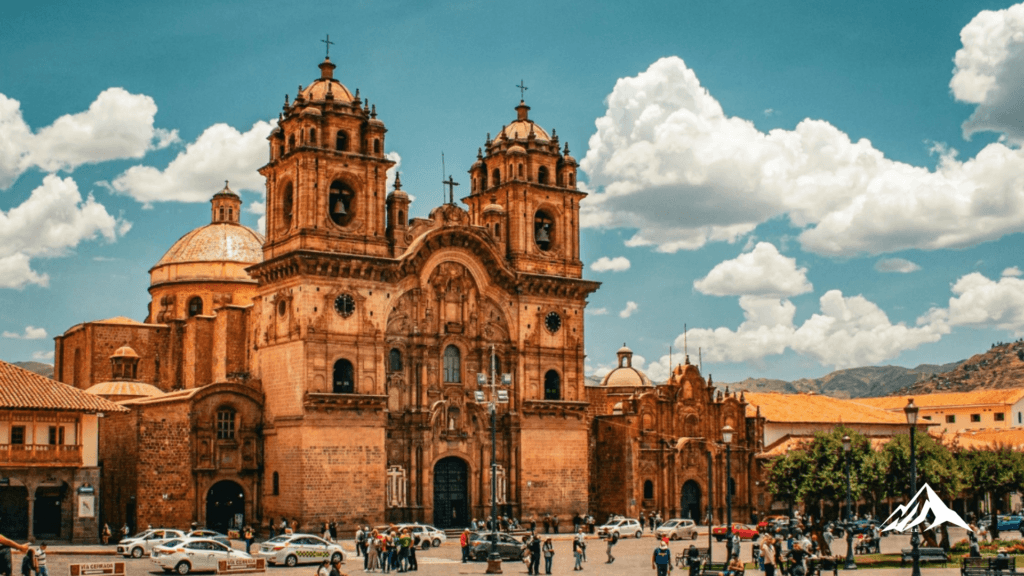
Cusco’s Plaza de Armas is the city’s most iconic landmark and one of the most photographed places by travelers. Surrounded by colonial arcades, restaurants, and majestic churches, this square has been the center of Cusco’s social and cultural life for centuries and is an essential stop on any guided tour of the historic center.
During the Inca Empire, the square was known as Huacaypata, a ceremonial space where important celebrations and events took place. With the arrival of the Spanish in the 16th century, large churches and colonial buildings were constructed, shaping the historic landscape we see today.
For photographers, the location offers endless possibilities: cathedral towers rising above the square, colonial balconies, and the mountains surrounding the city create a spectacular scene.
Traveler Tip:
Visit the square at sunset or at night, when the lights illuminate the buildings and the atmosphere becomes even more magical.
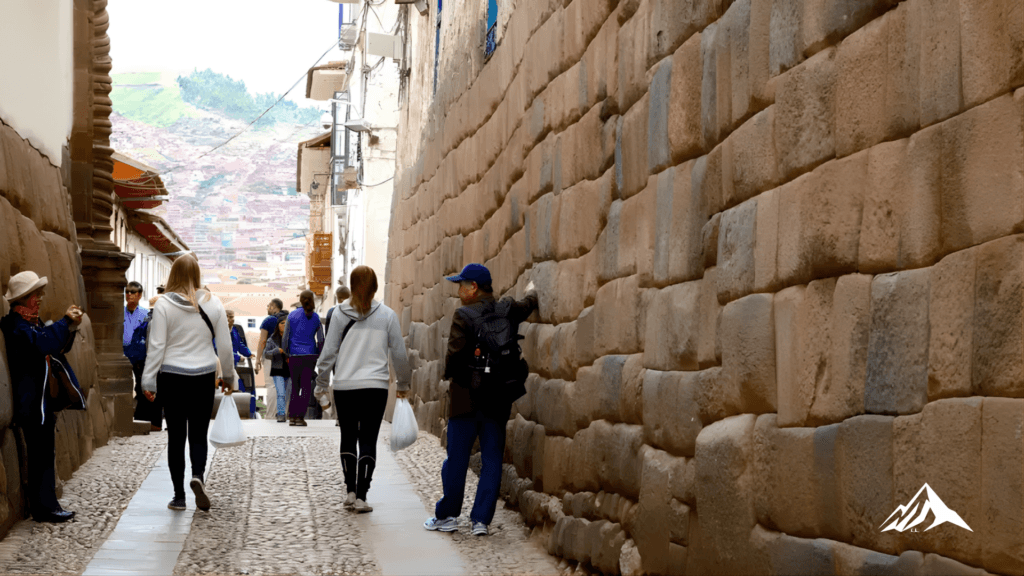
One of the most famous places in Cusco’s Historic Center is Hatun Rumiyoc Street, home to the legendary Twelve-Angled Stone.
This impressive stone is part of an ancient Inca wall that once belonged to the palace of Inca Roca. Its twelve perfectly carved angles demonstrate the extraordinary precision of Inca architecture, where stones fit together so perfectly that no mortar was needed.
Thousands of travelers visit this site to photograph this symbol of Inca engineering.
Beyond the stone itself, the street is also perfect for photos, with Inca walls contrasting against colonial houses, clearly showing the fusion of two historical eras.
Traveler Tip:
Arrive early in the morning to avoid crowds and take more peaceful photos.
The San Blas neighborhood is one of the most charming and artistic areas of Cusco. Known as the artisans’ district, it is filled with small galleries, traditional workshops, cafés, and colonial houses decorated with wooden balconies and flowers.
Walking through its narrow and steep streets feels like discovering a hidden village within the city.
Thanks to its picturesque streets and creative atmosphere, San Blas is one of the most Instagrammable places in Cusco. From its viewpoints, you can also capture incredible panoramic views of the historic center.
Traveler Tip:
Climb to the San Blas viewpoint in the late afternoon to capture the golden light over Cusco’s red rooftops.
If you’re looking for colorful streets for photos in Cusco, Siete Borreguitos Street is a must-see.
This picturesque street is famous for its colorful houses, cobblestone stairways, and peaceful atmosphere. Unlike the busier areas near the main square, here you’ll find a more authentic and relaxed vibe.
Its name comes from an old local legend about seven little lambs that used to walk through this area.
Today, it has become one of Cusco’s most charming and photogenic corners, especially for travelers looking for lesser-known spots.
Traveler Tip:
After a light rain, the cobblestones reflect the colors of the houses, creating a beautiful visual effect for photos.
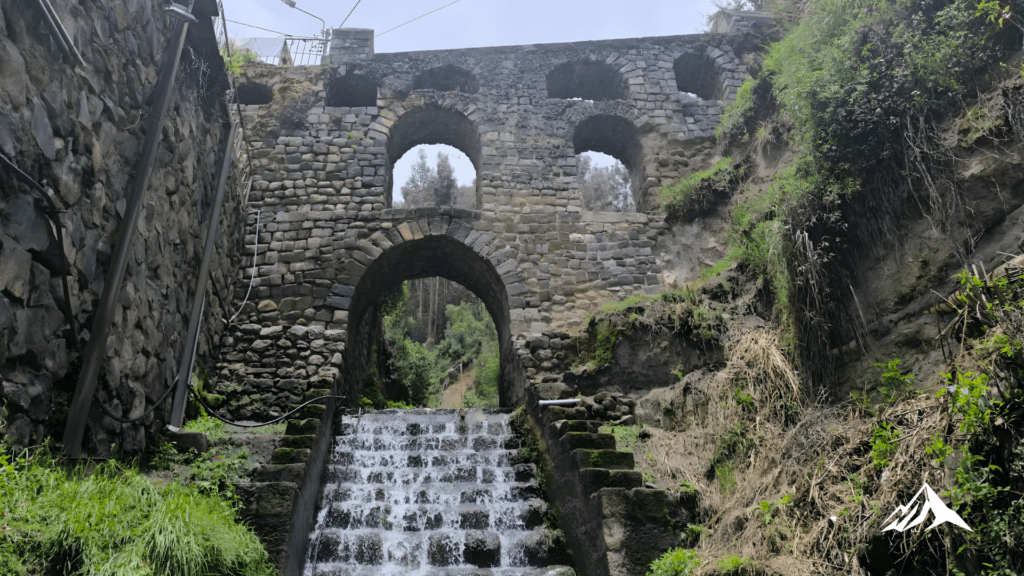
Among Cusco’s lesser-known but most surprising places, the Sapantiana Aqueduct stands out as a true architectural gem.
This colonial aqueduct was built to transport water into the city and features elegant stone arches that create a very photogenic setting.
Although it is located just a short distance from the historic center, many travelers still don’t know about it, making it perfect for those searching for hidden photo spots in Cusco.
Traveler Tip:
Afternoon light passing through the arches creates dramatic shadows that are perfect for photography.
Cusco is surrounded by hills, allowing visitors to enjoy spectacular panoramic views of the city.
Some of the best viewpoints to photograph Cusco include:
San Cristóbal Viewpoint
Offers a classic view of the historic center, highlighting the cathedral towers and the city’s red rooftops.
Cristo Blanco
A large white statue overlooking the city and offering one of the most impressive panoramas in Cusco.
San Blas Viewpoint
A quiet place ideal for enjoying the sunset and capturing romantic photos of the cityscape.
Traveler Tip:
Use your phone’s panoramic mode or a wide-angle lens to capture the entire city.
Photographing Cusco isn’t just about capturing its architecture—it’s also about portraying everyday life in the Andes.
In the mornings, markets begin to open, artisans prepare their crafts, and locals walk through the streets wearing colorful traditional clothing. During festivals, the city fills with music, dances, and vibrant costumes.
These authentic moments often become the most memorable photos of a trip.
Exploring the city with a local guide also allows you to discover hidden corners and better understand the history behind each place. A photography tour in Cusco can be an excellent way to experience the city from a different perspective.
Many travelers combine this experience with visits to the Sacred Valley or Machu Picchu, creating a complete journey through the landscapes and cultures of the Andes.
Best time to visit
The best months for photography are from May to September during the dry season, when skies are usually clear.
What to bring
How to get there
Cusco has daily flights from Lima to Alejandro Velasco Astete International Airport. From there, the historic center is about a 15-minute taxi ride.
Where to stay
The best areas to stay near the main photography spots are:
Few cities in the world offer such a perfect combination of history, culture, and visual beauty as Cusco. From the majesty of Plaza de Armas to the charm of San Blas, the colors of Siete Borreguitos Street, and the hidden arches of the Sapantiana Aqueduct, every corner of the historic center invites you to capture unforgettable moments.
But beyond the photographs, what truly makes Cusco special is its living heritage, traditions, and the warmth of its people.
Discover these unique places with AndeXperience Travel Agency and experience the authentic beauty of Peru.
Few destinations in the world inspire as much awe and fascination as Machu Picchu. Hidden among the misty peaks of the Andes Mountains, this ancient Inca citadel is one of the most extraordinary archaeological wonders on Earth. For centuries it remained unknown to the outside world, preserved among lush green mountains and sacred valleys.
For travelers seeking more than a traditional visit, a luxury Machu Picchu tour offers an exclusive way to explore this legendary site with comfort, privacy, and personalized service. Imagine arriving aboard a luxury train to Machu Picchu, exploring the ruins with a private Machu Picchu guide, or watching the sunrise over the citadel in peaceful silence before the crowds arrive.
This guide will take you through the best luxury tours Machu Picchu has to offer, including exclusive experiences, luxury hotels, private treks, and unique travel recommendations designed for sophisticated travelers looking to experience Peru in an authentic and unforgettable way.
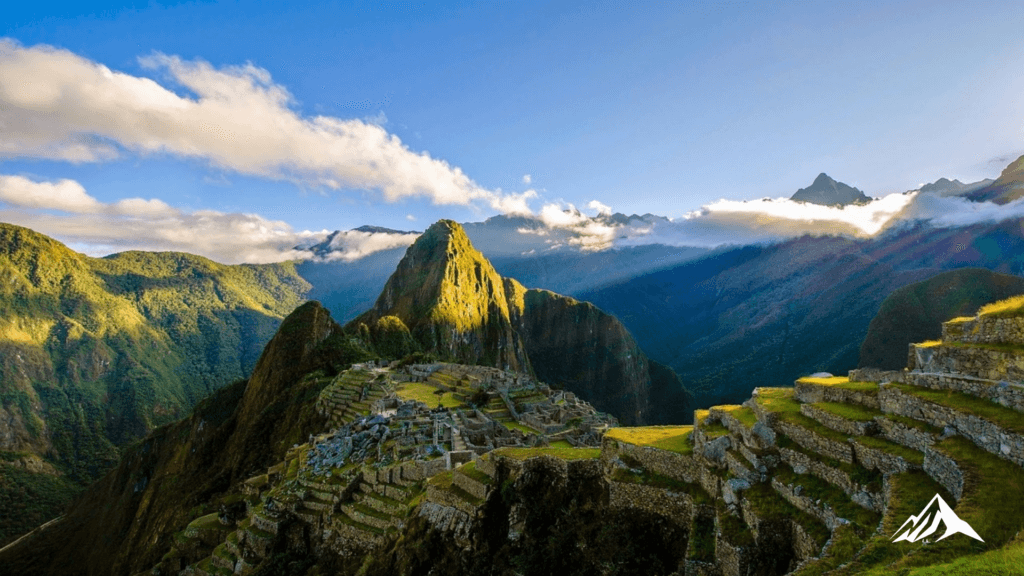
A Machu Picchu luxury experience is not only about comfort—it is about connecting deeply with one of the most fascinating civilizations in history.
Built in the 15th century during the reign of the Inca emperor Pachacuti, Machu Picchu was likely a royal estate and ceremonial center for the Inca elite. The city was carefully designed with agricultural terraces, temples, ceremonial plazas, and advanced hydraulic systems that continue to amaze archaeologists today.
With a private Machu Picchu tour, travelers can explore the ancient stone pathways at their own pace while an expert guide explains the mysteries of the site: how the Incas aligned temples with the stars, how they built earthquake-resistant structures, and how this sacred city functioned centuries ago.
A Machu Picchu VIP experience typically includes:
Visiting Machu Picchu in this way allows travelers to appreciate the site’s spiritual and historical significance without rushing.
Traveler tip:
The earliest entry times offer the most magical atmosphere, when the mountains are still covered in morning mist.
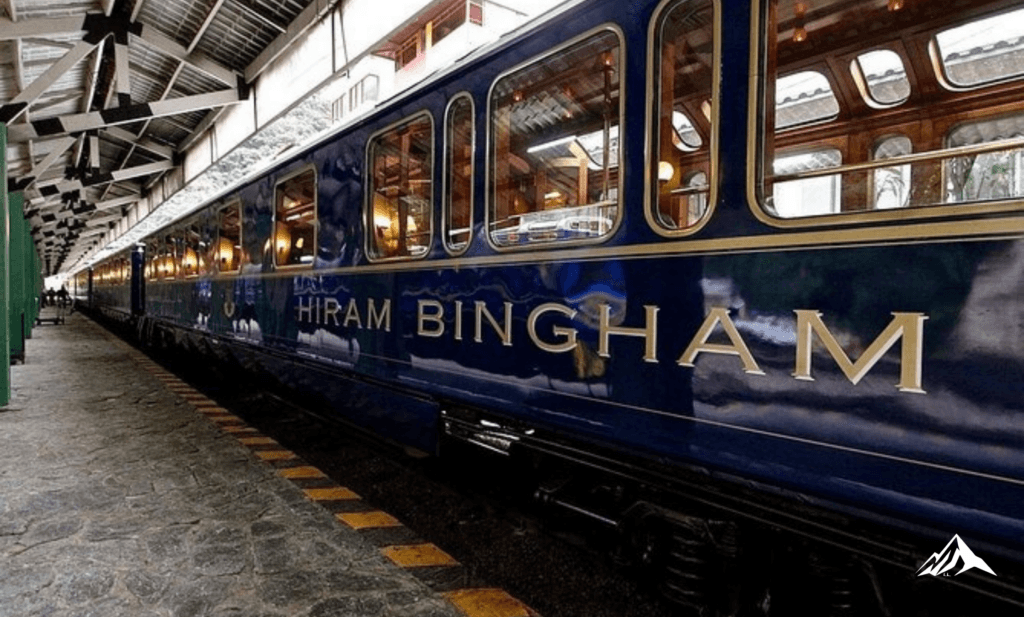
One of the most elegant ways to reach Machu Picchu is aboard a luxury train to Machu Picchu, transforming the journey itself into part of the adventure.
The Belmond Hiram Bingham train experience is widely considered one of the most luxurious rail journeys in South America. This exclusive train travels from Cusco through the Sacred Valley to the town of Aguas Calientes, offering spectacular views of rivers, mountains, and cloud forests along the route.
Passengers enjoy a refined travel experience that includes:
The train is named after Hiram Bingham, the explorer who introduced Machu Picchu to the world in 1911.
For many travelers, the journey aboard this train is one of the highlights of a luxury Machu Picchu tour package, combining comfort, history, and stunning landscapes.
Pro tip:
Luxury train journeys often include guided tours and priority services, making them one of the most seamless ways to experience Machu Picchu.
One of the greatest advantages of luxury travel is the ability to enjoy destinations in a more intimate and meaningful way.
A private sunrise Machu Picchu tour is among the most unforgettable experiences available. As the first rays of sunlight illuminate the ancient terraces, the citadel slowly emerges from the clouds, creating a mystical and unforgettable atmosphere.
Exclusive experiences at Machu Picchu may include:
Many luxury travelers choose to combine their visit with luxury Sacred Valley tours, exploring ancient Inca sites, local villages, and breathtaking Andean landscapes before reaching the citadel.
Traveler tip:
Visiting Machu Picchu during early morning or late afternoon hours offers the most dramatic lighting for photography.
A luxury trip to Machu Picchu is not complete without extraordinary accommodations that reflect the beauty and heritage of the Andes.
Some of the most recommended luxury hotels near Machu Picchu offer exceptional comfort surrounded by nature.
Among the most renowned options are:
Belmond Sanctuary Lodge
The only hotel located directly next to the entrance of Machu Picchu, offering unmatched proximity to the site and exclusive early access opportunities.
Inkaterra Machu Picchu Pueblo Hotel
A luxurious eco-lodge surrounded by cloud forest gardens and wildlife, perfect for travelers seeking tranquility and nature.
In Cusco, the historic gateway to Machu Picchu, visitors can stay at elegant properties known for their colonial architecture and refined hospitality.
Some of the most popular luxury Cusco hotels include:
Belmond Hotel Monasterio
A historic monastery transformed into a five-star hotel in the heart of Cusco.
Palacio del Inka
A luxury hotel that blends colonial history with modern comfort and exceptional service.
These accommodations provide an essential part of the high end Peru travel experience, combining comfort, culture, and authenticity.
Important note:
Luxury hotels near Machu Picchu tend to book quickly during peak season, so reservations should be made well in advance.
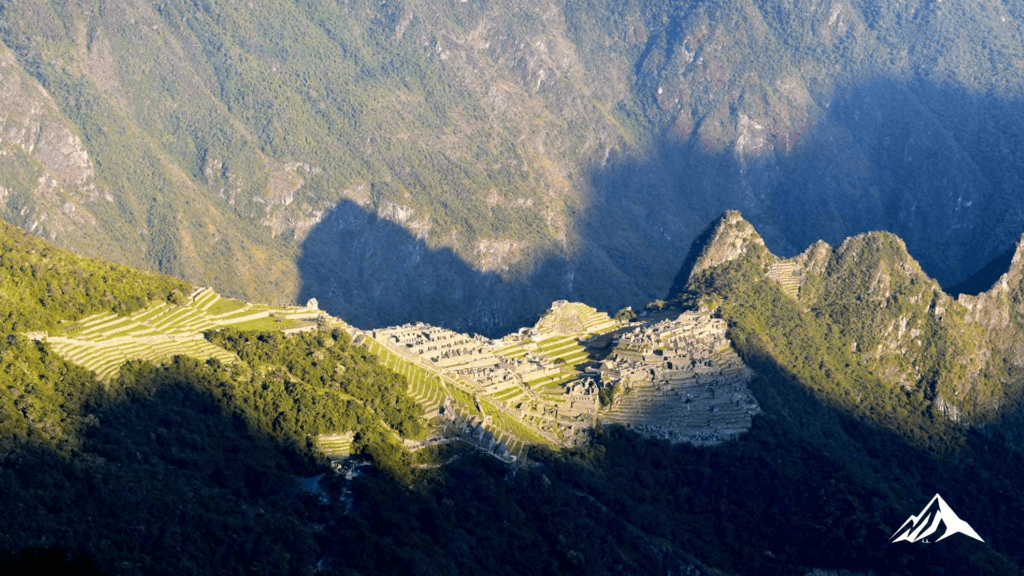
For travelers seeking adventure without sacrificing comfort, the private Inca Trail luxury trek offers one of the most unique ways to reach Machu Picchu.
The Inca Trail follows the original stone paths used by the Inca civilization centuries ago, passing through breathtaking landscapes, ancient ruins, and diverse ecosystems.
Luxury trekking experiences often include:
After several days of hiking through the Andes, travelers reach the Sun Gate, the historic entrance used by the Incas, where the first panoramic view of Machu Picchu appears.
Arriving at the citadel this way is considered one of the most rewarding experiences in travel and one of the most memorable exclusive Machu Picchu experiences available.
Tips for the Traveler
The best time to enjoy a luxury Machu Picchu tour is during the dry season from May to September, when skies are clearer and hiking conditions are ideal.
Travelers should pack:
Most journeys begin in Cusco, followed by a train ride or road transfer through the Sacred Valley before arriving at Aguas Calientes, the town located at the base of Machu Picchu.
Combining Cusco, the Sacred Valley, and Machu Picchu allows travelers to fully experience the cultural richness and landscapes of the Andes.
Machu Picchu is more than a destination—it is a journey into the heart of the Andes and the legacy of one of the greatest civilizations in history.
Whether arriving aboard a luxury train, hiking the legendary Inca Trail, or exploring the ancient city with a private guide, each experience reveals the magic and mystery that make Machu Picchu one of the most extraordinary places on Earth.
For travelers seeking comfort, authenticity, and unforgettable landscapes, Peru offers one of the most inspiring luxury travel experiences in the world.
Discover this extraordinary journey with AndeXperience Travel Agency.
Book your next adventure with us and experience authentic Peru in total exclusivity.
When travelers think about Peru, one destination immediately comes to mind: Machu Picchu. While this iconic Inca citadel is undoubtedly one of the world’s most breathtaking wonders, Peru offers far more than a single landmark. Beyond the ancient stone terraces lies a country filled with diverse landscapes, ancient cultures, and unforgettable experiences waiting to be discovered.
From colorful mountains high in the Andes to mysterious desert oases and the lush biodiversity of the Amazon rainforest, Peru is a treasure chest of unique destinations. Many of these places remain hidden gems in Peru, offering authentic encounters with local communities, stunning natural wonders, and adventures that few travelers expect.
Few landscapes in the world are as surreal as Rainbow Mountain Peru, also known as Vinicunca. Located over 5,000 meters above sea level near Cusco, this mountain is famous for its vibrant mineral layers that create stripes of red, yellow, and turquoise.
Once known only to local communities, Rainbow Mountain became globally famous in the last decade. Today, it is one of the most photographed natural wonders in Peru.
Travelers hike through high-altitude valleys surrounded by alpacas and dramatic Andean peaks before reaching the spectacular viewpoint.
Traveler tip:
Visit early in the morning and spend a few days acclimatizing in Cusco before the hike.
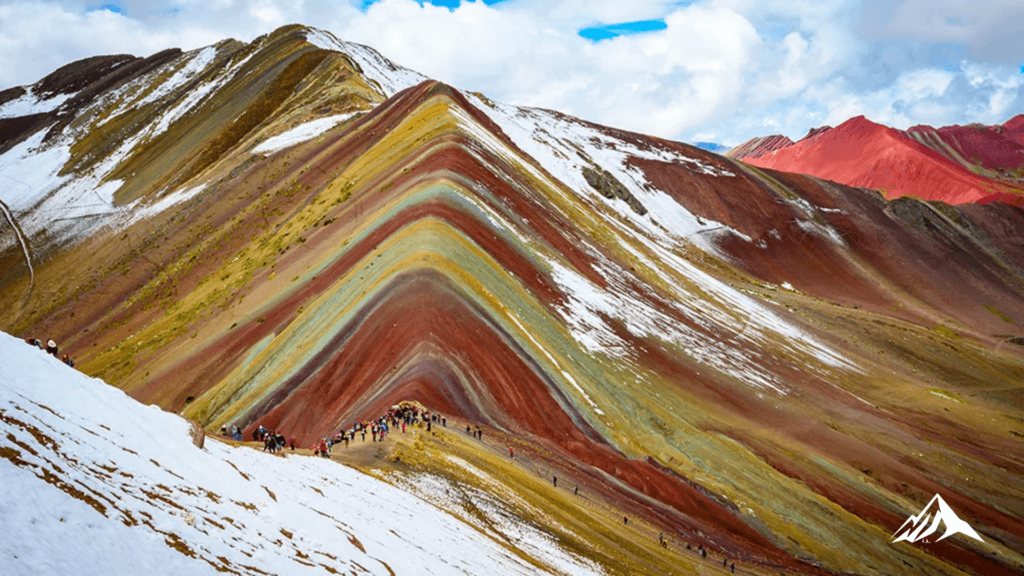
For travelers seeking a quieter experience, Palcoyo Rainbow Mountain offers a breathtaking alternative to Vinicunca. Instead of a long trek, visitors enjoy a short walk to viewpoints where three colorful mountains can be seen from the same location.
This destination is considered one of the most underrated places in Peru, ideal for travelers who prefer a relaxed experience while still enjoying spectacular Andean scenery.
Traveler tip:
Palcoyo is perfect for travelers who want the beauty of Rainbow Mountain without the crowds or demanding hike.
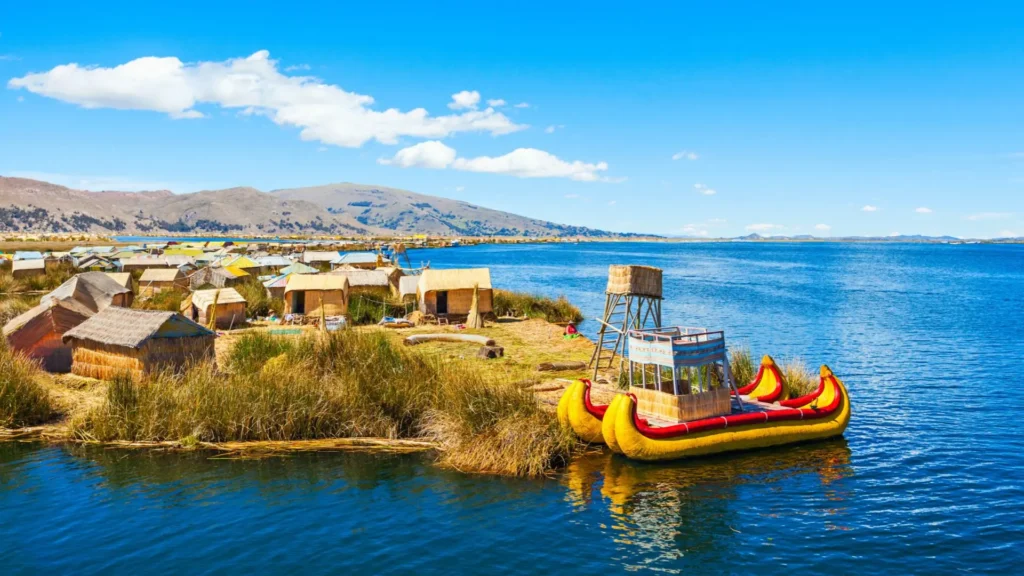
Straddling the border between Peru and Bolivia, Lake Titicaca Peru islands form one of the most culturally rich destinations in South America.
According to Inca mythology, the founders of the empire, Manco Cápac and Mama Ocllo, emerged from the sacred waters of this lake. Today, visitors can explore traditional communities such as:
These communities preserve ancestral traditions, weaving techniques, and ways of life that have existed for centuries.
Traveler tip:
Spend a night on Amantani Island for an authentic cultural experience with local families.
Twice as deep as the Grand Canyon, Colca Canyon Peru is one of the most spectacular landscapes in South America.
The canyon is famous for the Andean condor, one of the largest flying birds in the world. At viewpoints like Cruz del Cóndor, visitors can watch these majestic birds soaring above the canyon.
Beyond wildlife viewing, the region offers charming villages, ancient agricultural terraces, and relaxing hot springs.
Traveler tip:
Stay overnight in the Colca Valley to experience the traditional Andean villages and star-filled skies.
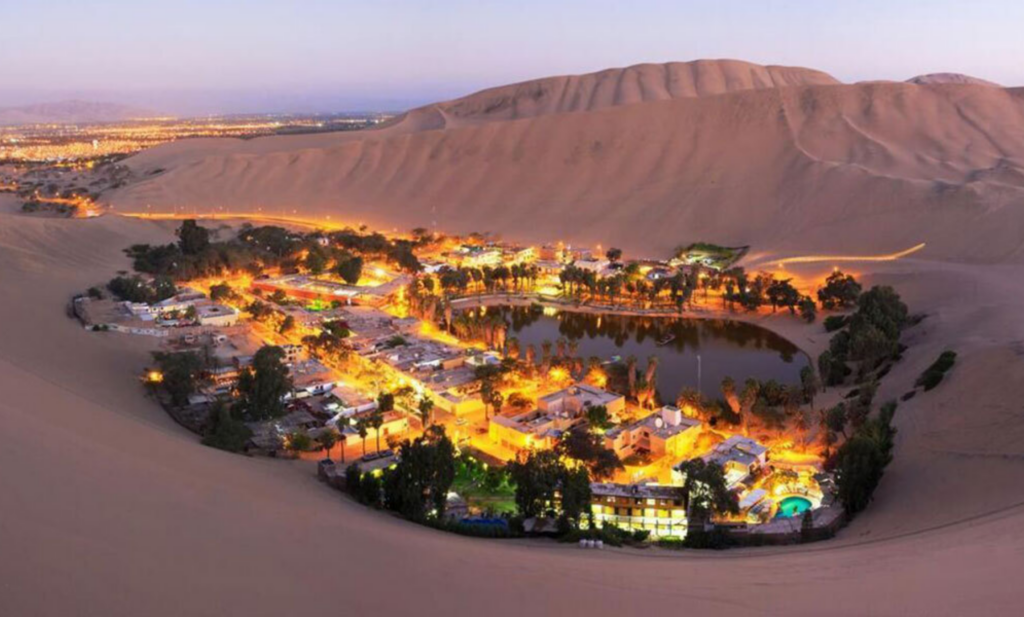
Hidden among towering sand dunes in southern Peru lies Huacachina Oasis Peru, a small village built around a natural lagoon.
Often called the “Oasis of America,” Huacachina is famous for thrilling desert adventures such as:
This destination combines adventure with stunning scenery, making it one of the most unique places to visit in Peru.
Traveler tip:
Sunset is the best time to visit the dunes when the desert turns golden.
Covering nearly 60% of the country, the Amazon rainforest Peru tours offer one of the most immersive nature experiences on Earth.
Destinations such as Puerto Maldonado and Iquitos allow travelers to explore the jungle through guided excursions where they can see:
The Amazon is not just a destination; it is a living ecosystem where every sound and movement reveals something extraordinary.
Traveler tip:
Choose a lodge located inside a protected reserve for the best wildlife encounters.
Sacred Valley Peru Attractions: The Heart of Inca Culture
Located between Cusco and Machu Picchu, the Sacred Valley Peru attractions offer some of the most fascinating archaeological sites in the Andes.
Important highlights include:
These sites reveal the incredible engineering and agricultural knowledge of the Inca civilization.
Traveler tip:
The Sacred Valley sits at a lower altitude than Cusco, making it an ideal place to acclimatize.
For experienced hikers, the Ausangate trek Peru is considered one of the most spectacular high-altitude treks in the Andes.
This multi-day adventure circles Ausangate Mountain, a sacred peak in Andean cosmology. Along the route, travelers encounter:
Unlike the crowded Inca Trail, Ausangate remains one of the most authentic off the beaten path Peru destinations.
Traveler tip:
This trek reaches altitudes above 5,000 meters, so proper acclimatization is essential.
Cultural Experiences That Make Peru Unique
Beyond landscapes, Peru is a country deeply rooted in tradition. Traveling through Peru means experiencing vibrant cultures that have survived for centuries.
Some unforgettable cultural experiences include:
Dishes like ceviche, lomo saltado, and ají de gallina reflect the diverse cultural influences that shape Peruvian identity.
Important note:
Respect local customs when visiting indigenous communities and always ask before taking photographs.
The best months to travel in Peru are from May to September, during the dry season in the Andes.
Most international travelers arrive in Lima and then fly to Cusco, Arequipa, or Puerto Maldonado depending on their itinerary.
Options range from boutique hotels in Cusco to eco-lodges in the Amazon and desert hotels near Huacachina.
Peru is far more than a single destination. While Machu Picchu remains a symbol of ancient Inca brilliance, the country reveals countless other wonders for travelers willing to explore further.
From the colorful peaks of Rainbow Mountain to the sacred waters of Lake Titicaca, the vast Amazon rainforest, and the dramatic landscapes of Colca Canyon, Peru is a land where every journey leads to discovery.
Each region offers its own stories, traditions, and unforgettable experiences — making Peru one of the most diverse travel destinations in the world.
Discover these incredible destinations with AndeXperience Travel Agency.
Book your next adventure with us and experience the authentic spirit of Peru.






Company name: Andexperience Travel Agency S.A.C.
Ruc: 20614773210



Copyright © 2026. AndeXperience Travel. All Right Reserved