
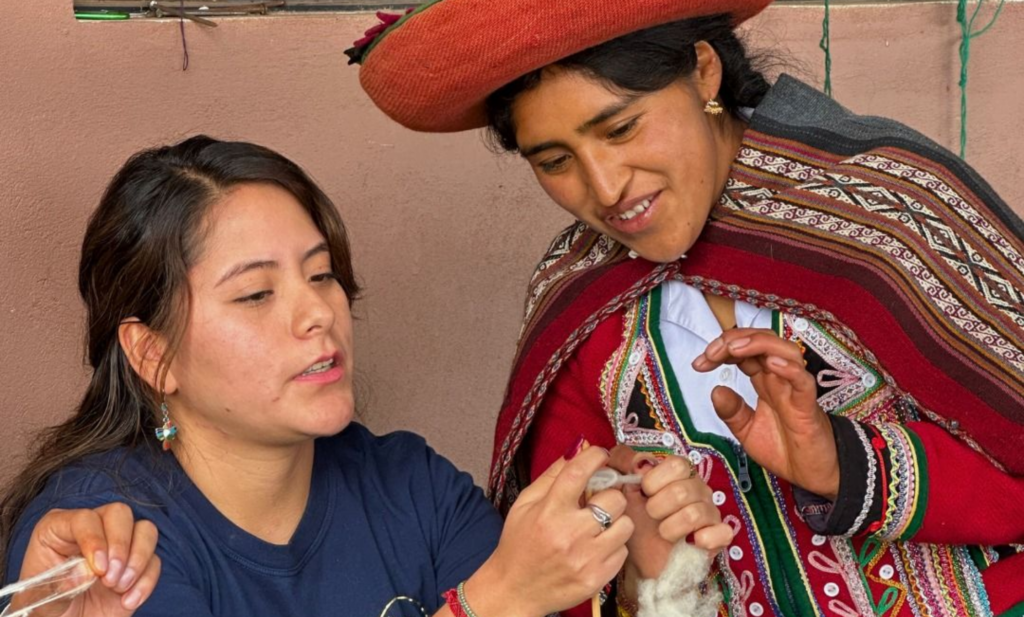
For the most part, travelers always seek to connect with the places they visit and their people. Cusco stands out as a sanctuary for those pursuing purposeful tourism in Peru. Cusco is a living museum where Inca cultural heritage breathes in every corner. From the aroma of Palo Santo in the markets to the vibrant hues of naturally dyed wool, Cusco invites you to be a participant, not just a spectator. In this comprehensive Cusco 2026 travel guide, we will reveal the secrets of ancestral Peruvian traditions, take you through off-the-beaten-path routes in Cusco, and introduce you to the local communities of the Sacred Valley that make this region the beating heart of South America.
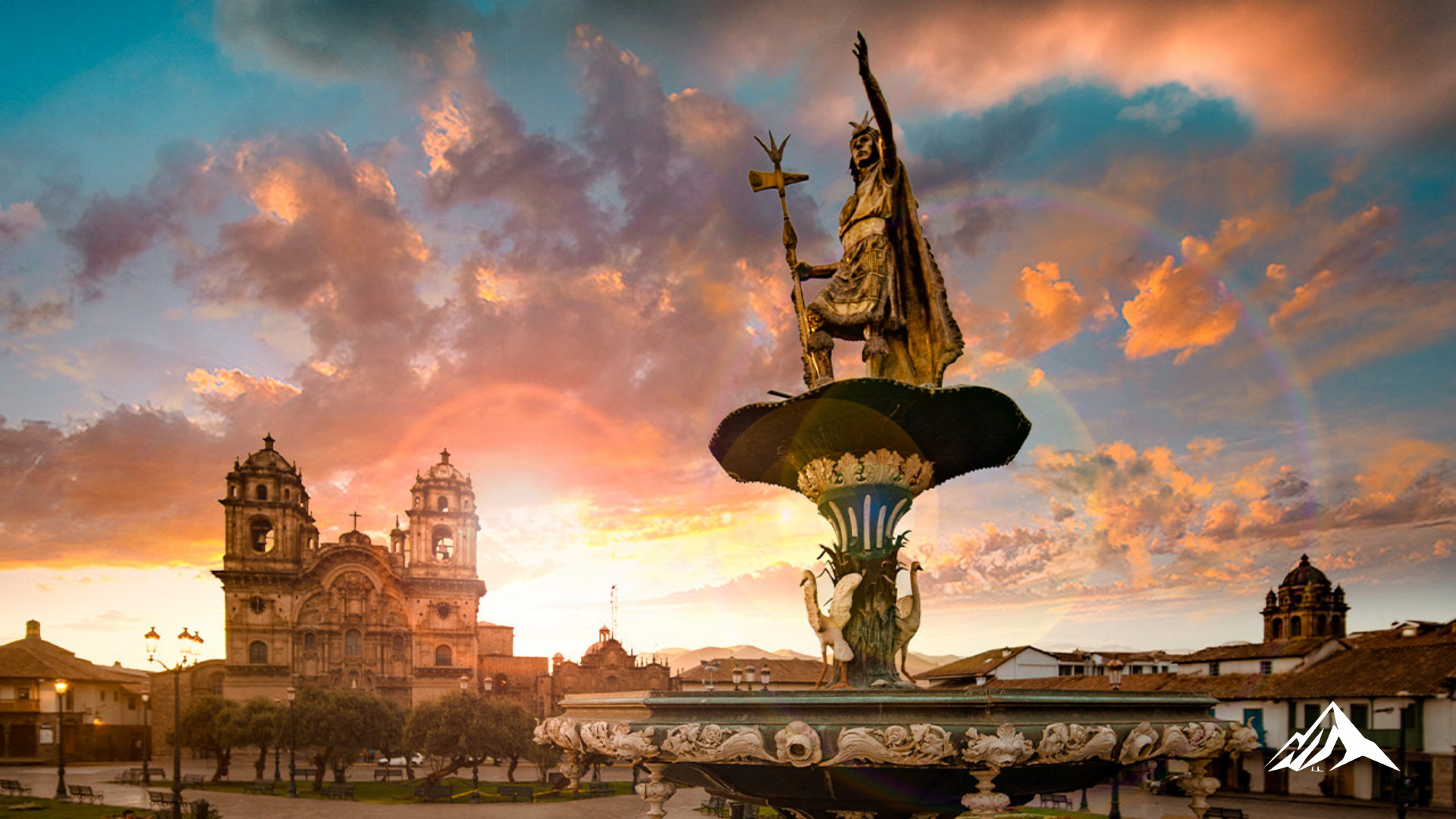
Traditions in Cusco are governed by Ayni (reciprocity), a principle of the Andean worldview that connects everything in the universe. This balance, key to Inca history, is today the foundation of cultural heritage tourism in Peru. In the Cusco Cathedral, built over the Kiswarkancha palace, syncretism shines: its "Last Supper" painting includes a roasted guinea pig (cuy), a nod to traditional Andean gastronomy in the midst of colonial art.
Traveler Tip: Visit the Cathedral in the late afternoon. The golden hour light reflects off the cedar-carved altars, creating a mystical atmosphere that truly connects you with the city's complex soul.
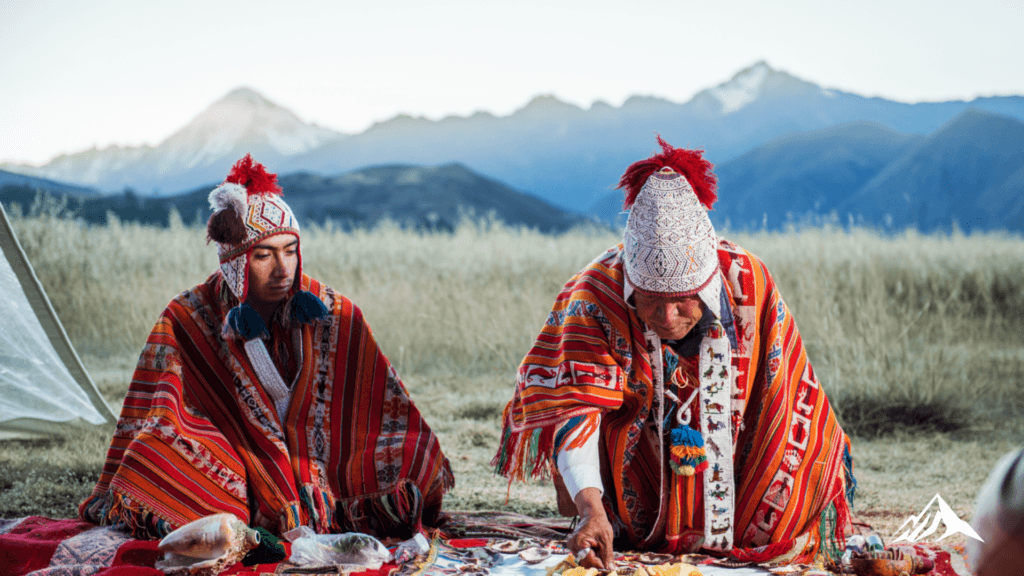
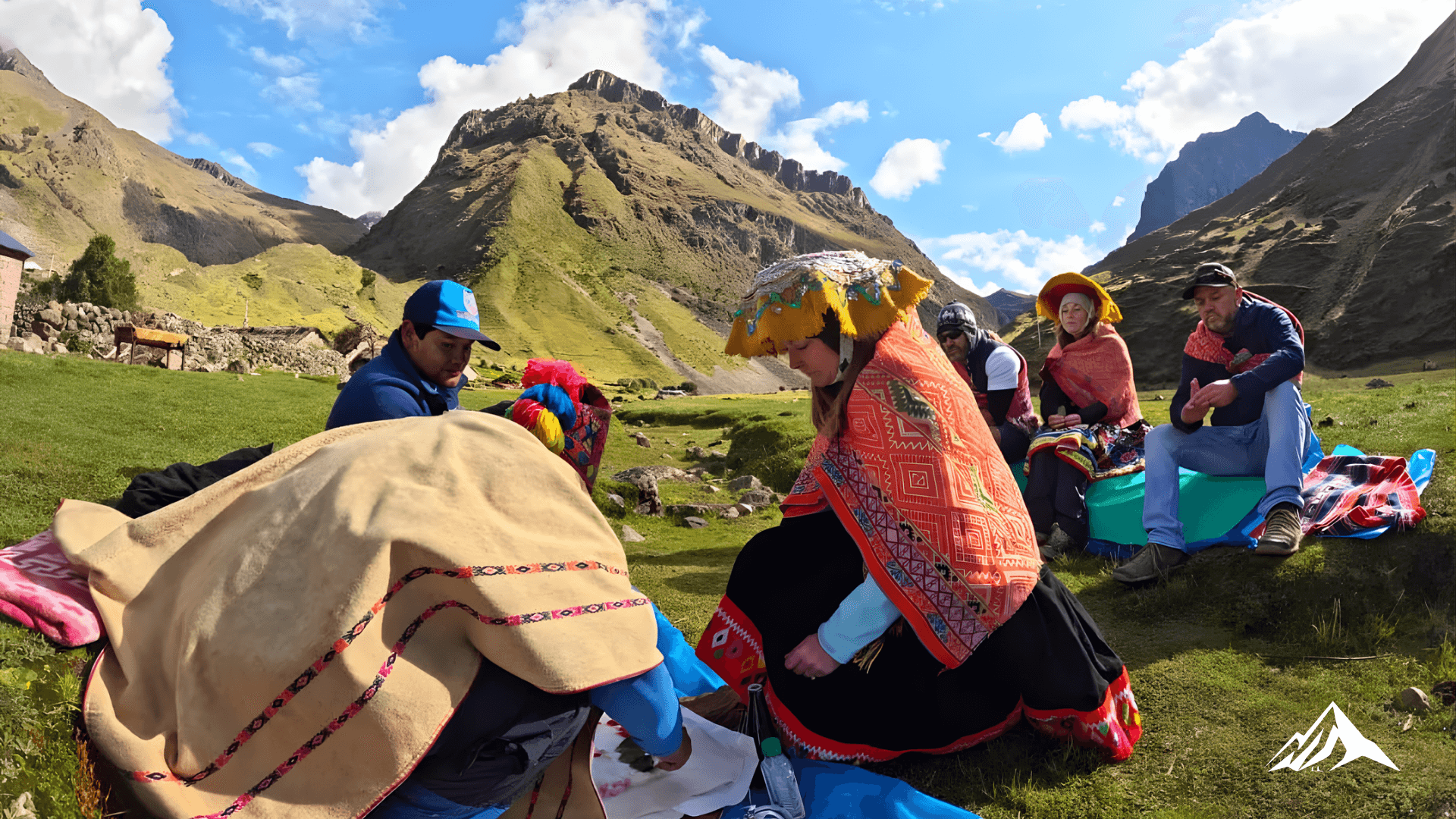
For the modern traveler, experiential travel in Peru 2026 is about participating in the sacred. One of the most profound authentic experiences in Cusco is the Pachamama ceremony. This ritual is a payment to Mother Earth, involving coca leaves, seeds, and prayers to the Apus (mountain spirits).
This ritual is one of the most moving Andean traditions in Peru. A shaman or paqo (Andean priest) prepares a "despacho" (a ceremonial package with coca leaves, seeds, sweets, incense, alpaca wool, and symbolic precious metals).
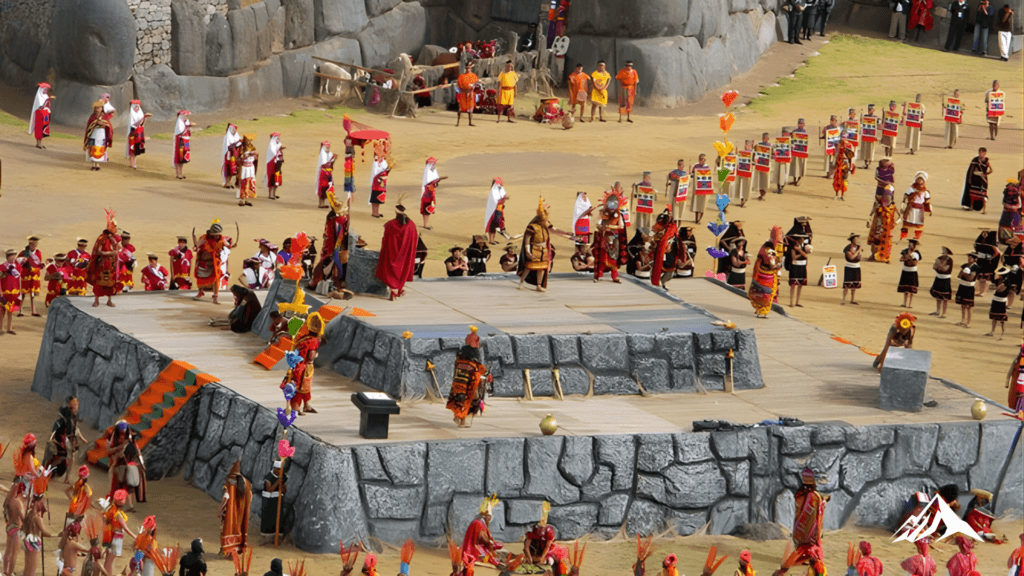
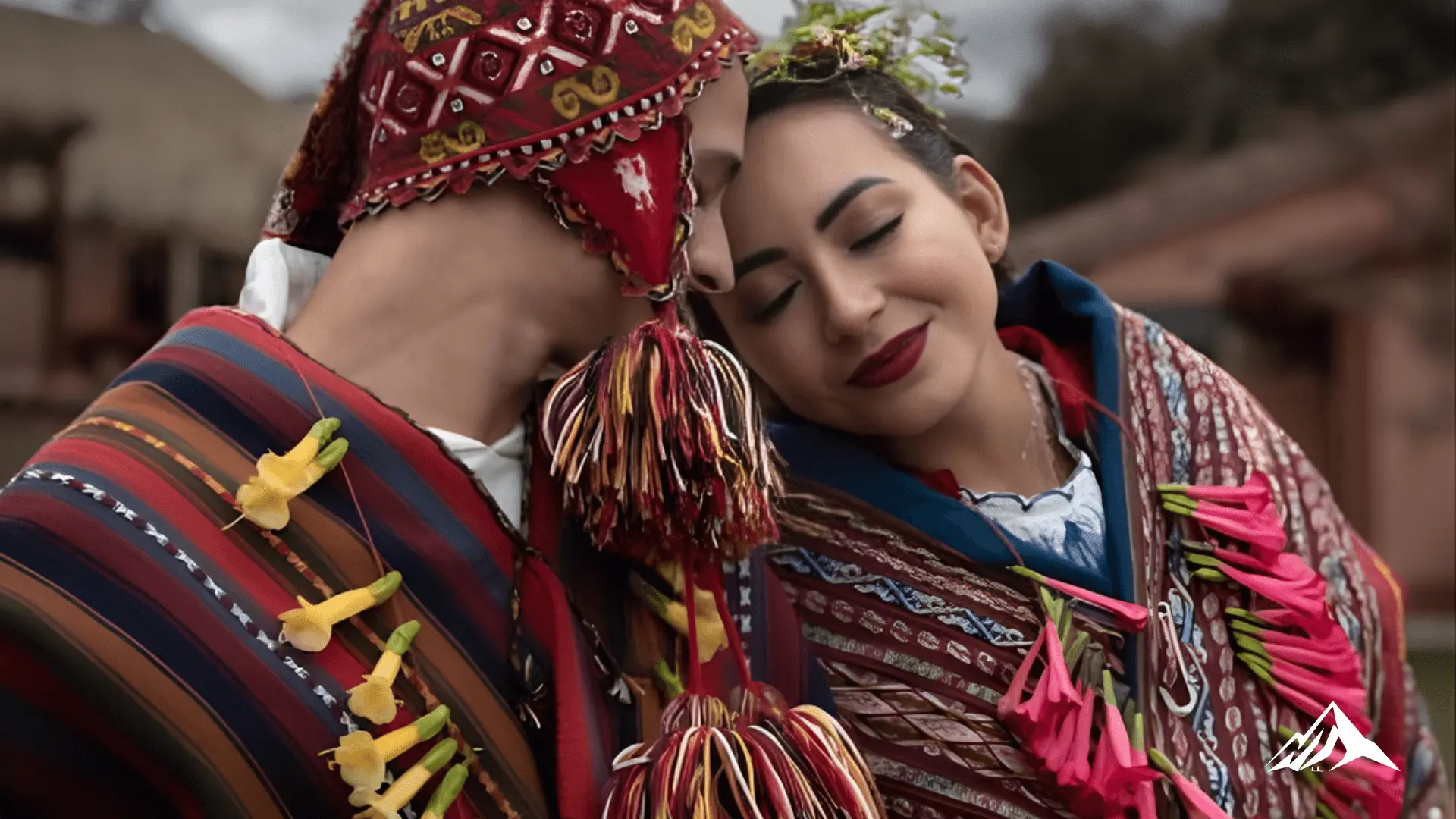
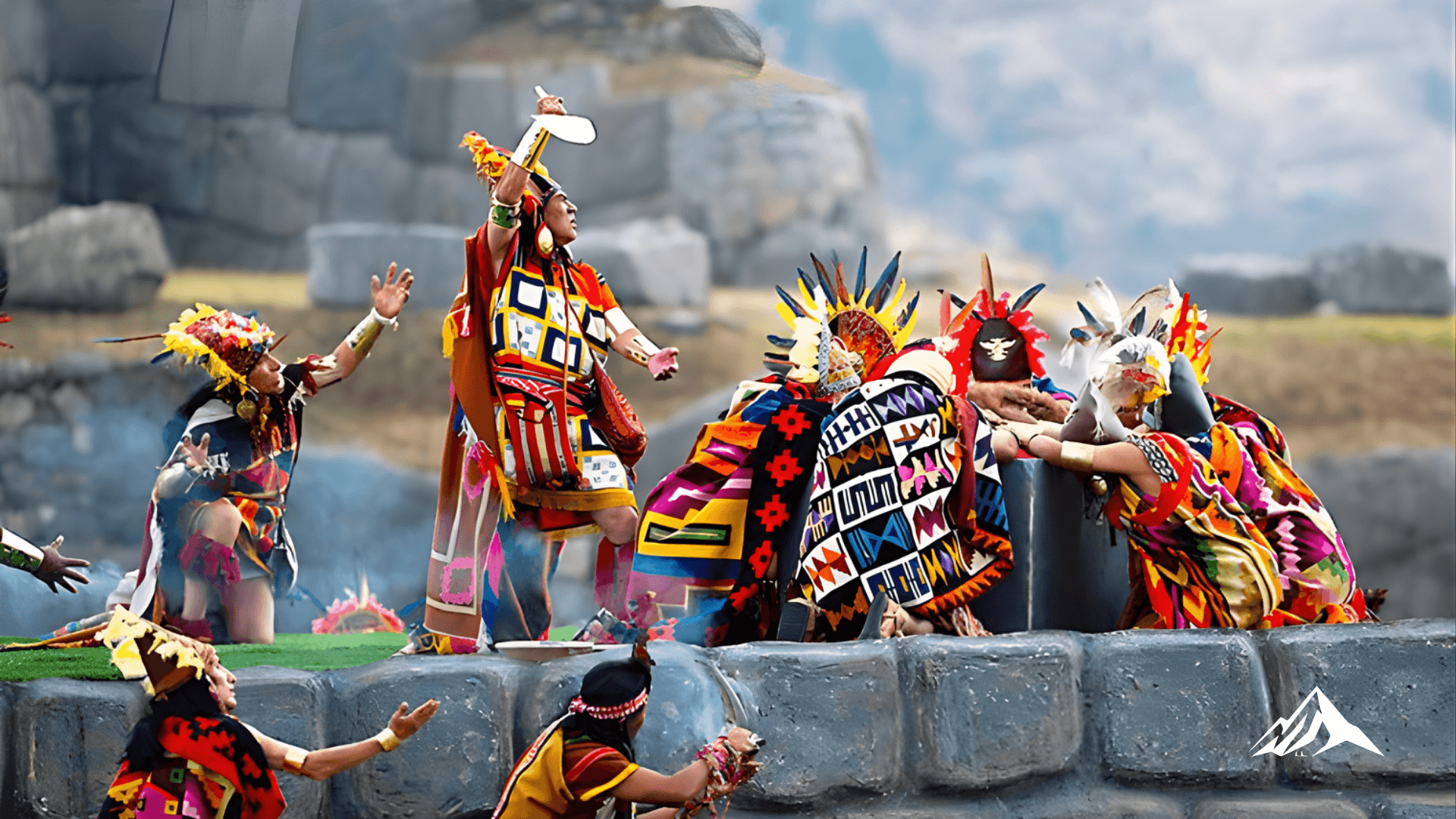
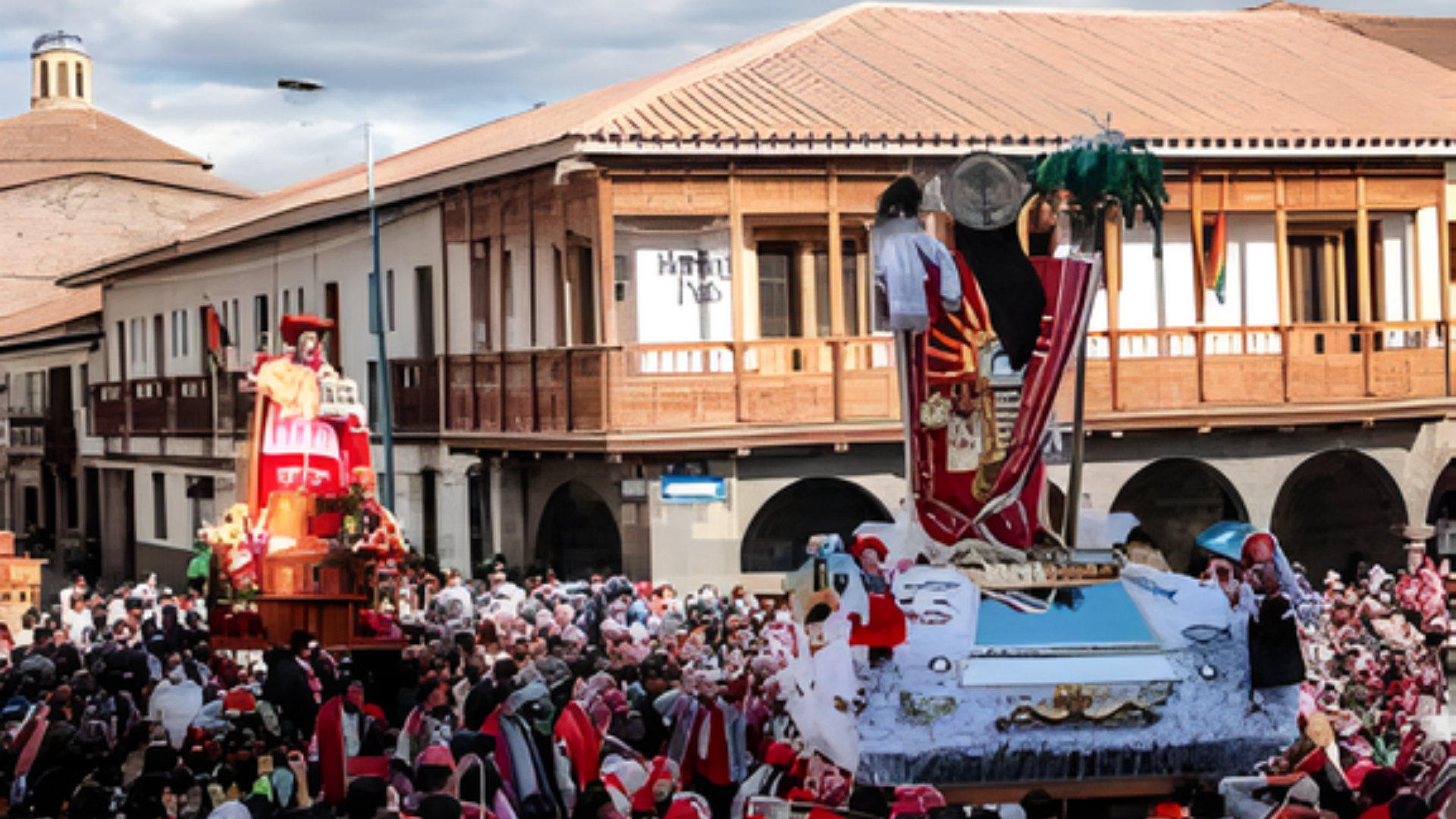
Inti Raymi (Festival of the Sun) is celebrated every June 24th during the southern winter solstice, marking the start of the Inca New Year. This ancestral ceremony of gratitude to the Sun for the harvests seeks to ensure the fertility of the next planting. Today, this majestic historical recreation is one of the greatest cultural experiences in Peru, allowing the traveler to witness the ceremonial life of the Tahuantinsuyo.
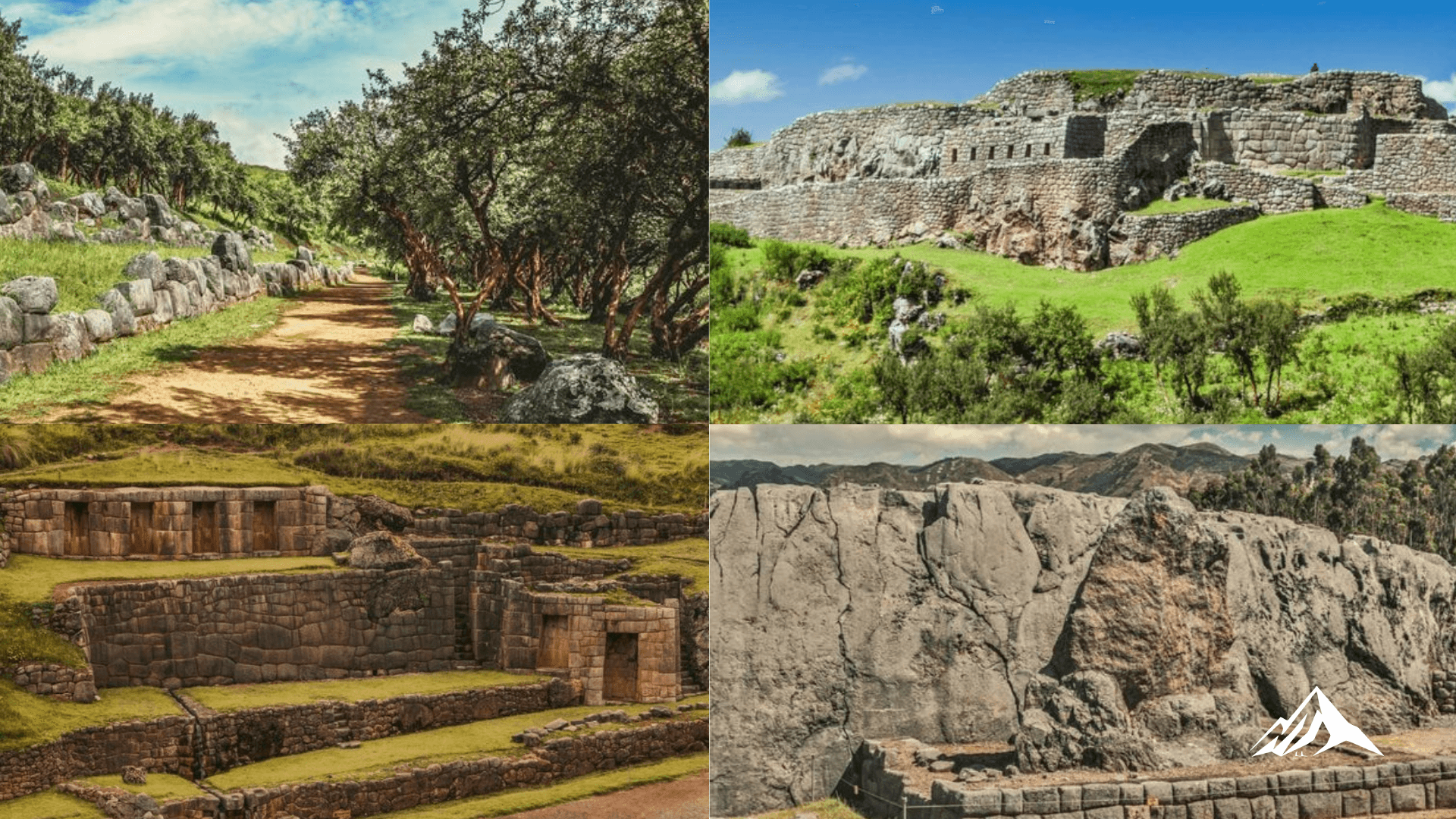
The festivity moves through three historical points in Cusco, symbolizing the Inca's sacred journey:
Tourism Relevance: Attending Inti Raymi is one of the most impactful Peruvian traditions for tourists. The sound of the pututus and the colorful costumes transport you to another era.
Traveler Fact: To experience Inti Raymi in Sacsayhuamán, book your tickets in advance. If you want more information, you can check this detailed blog about Inti Raymi.
Practical Recommendation: Dress in warm clothes (it’s winter in Cusco), use sunscreen, and stay hydrated. The altitude and the 6+ hour event require physical preparation.
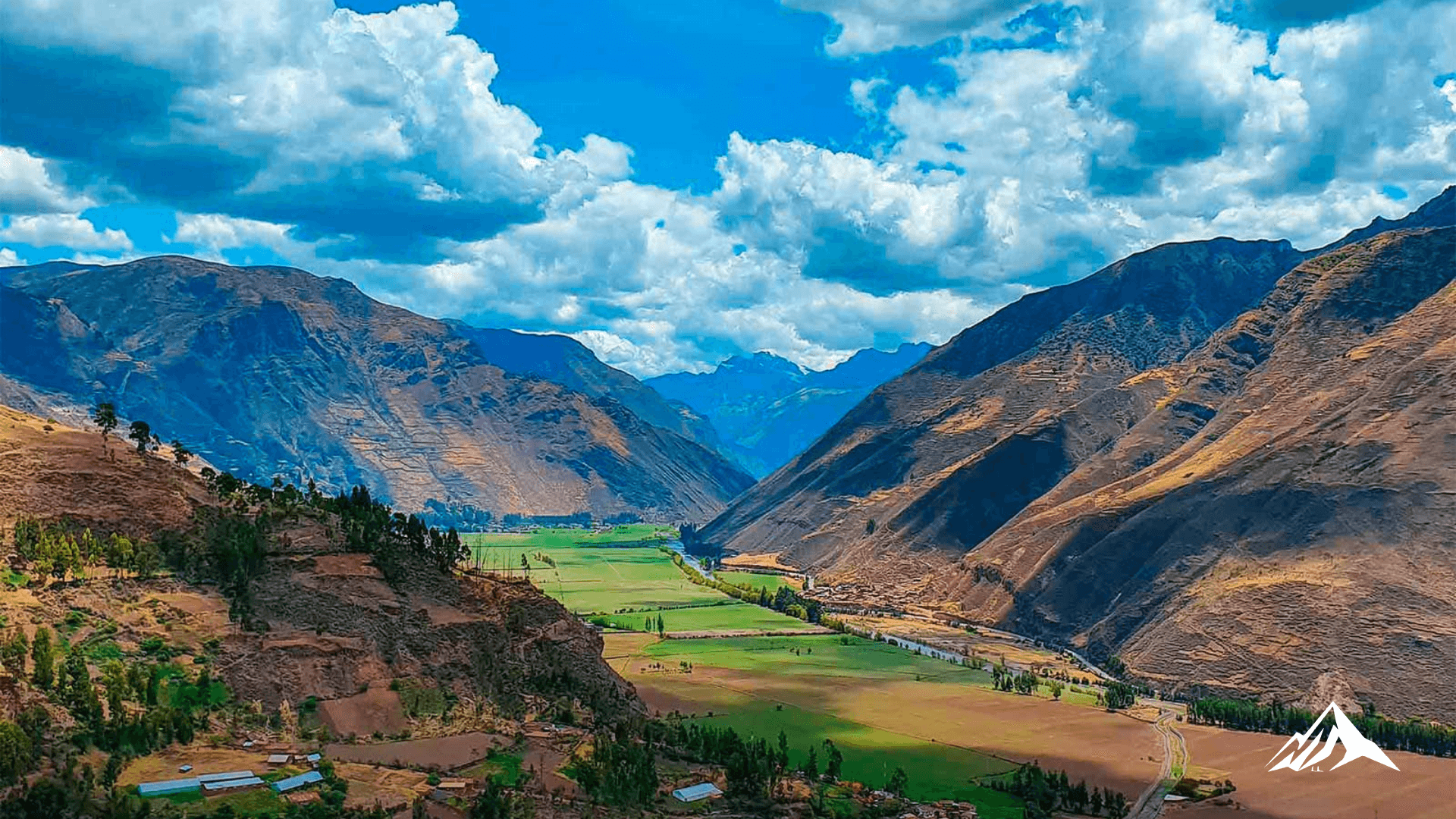
Cultural immersion in the Sacred Valley is incomplete without visiting high-altitude communities like Patacancha or Amaru. Here, Quechua weaving demonstrations are not tourist shows; they are a masterclass in ancestral mathematics and storytelling.
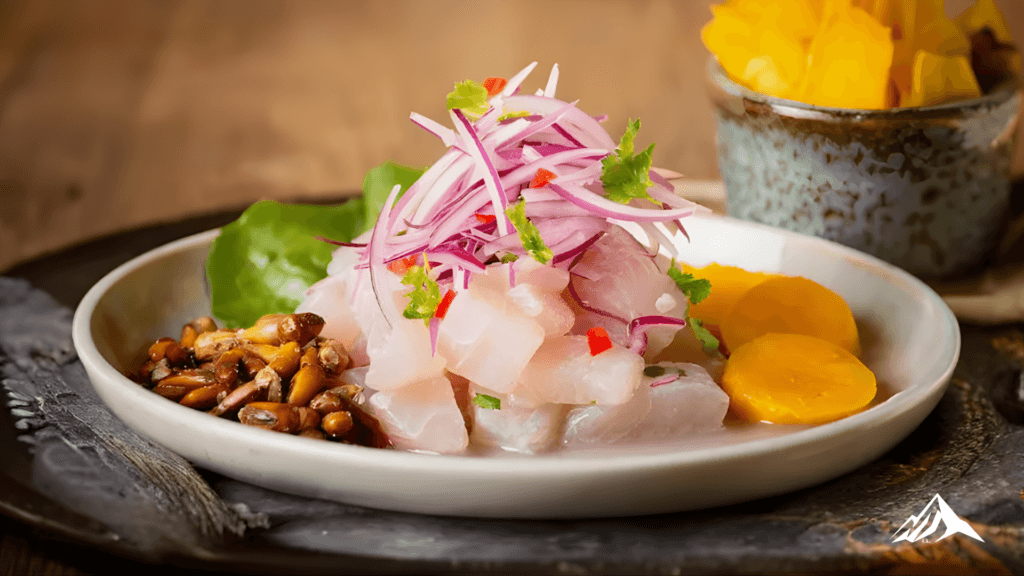
Traditional Andean gastronomy is a sensory journey. In 2026, the "farm-to-table" movement returns to its roots in the Andes.
Planning a trip to the heart of the Inca Empire requires care to ensure sustainable tourism in the Andes.
| Planning Detail | Recommendation |
| Best Time | May to October (Dry Season) for trekking. November to March for green landscapes and fewer crowds. |
| What to Pack | Layered clothing is vital. High-protection sunscreen, reusable water bottle, and sturdy hiking boots. |
| How to Get There | Fly to Lima and then take a 1-hour flight to Cusco. For the Sacred Valley, private transport is recommended. |
| Est. Budget | $200–$400 USD per day for high-end all-inclusive experiential tours. |
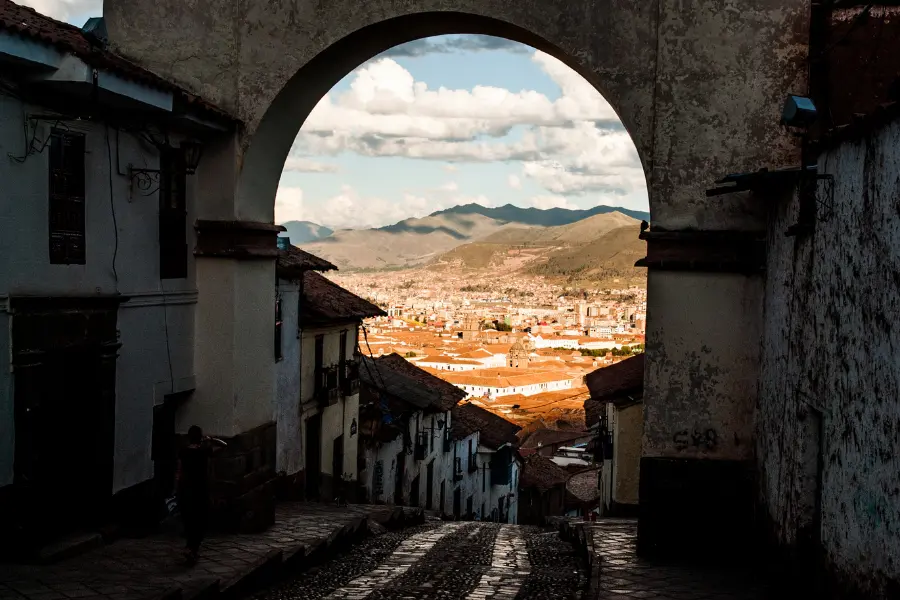
| Where to Stay | Boutique hotels in the San Blas neighborhood or luxury eco-lodges in the Sacred Valley. |
Peru is not just a place you visit; it is a place that stays with you. From the deep echoes of the Inca cultural heritage to the warm smiles in the local communities of the Sacred Valley, Cusco offers a window into a way of life that values connection above all else. In 2026, let your travels be more than a vacation; let them be a return to the essentials.
Discover this experience with AndeXperience Travel Agency
Book your next adventure with us and live the authentic Peru






Company name: Andexperience Travel Agency S.A.C.
Ruc: 20614773210



Copyright © 2026. AndeXperience Travel. All Right Reserved