
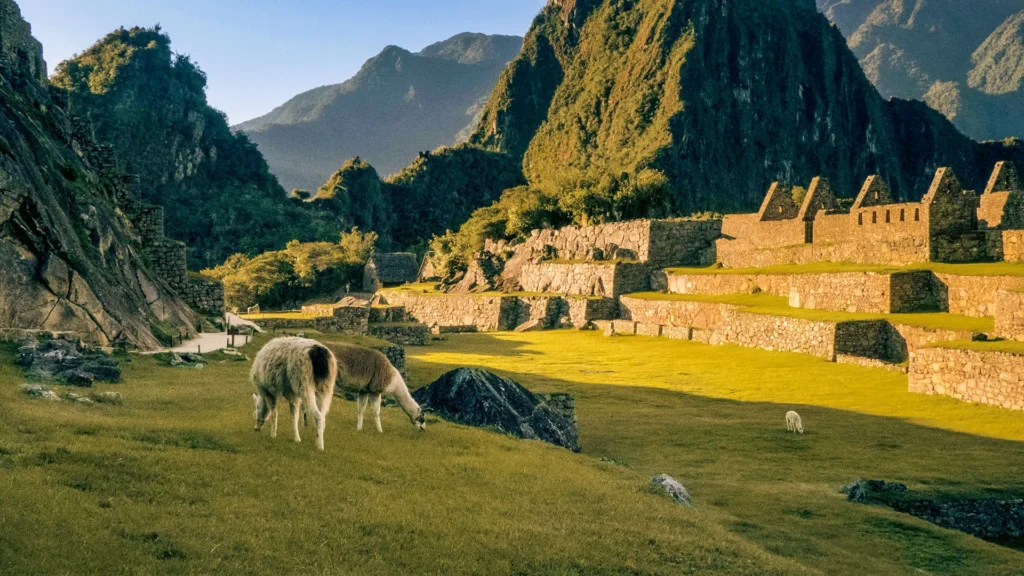
Imagine waking up to the aroma of muña tea and the sounds of nature, surrounded by the towering peaks of Cusco's valleys, connecting with the living history of the Andes.
By 2026, the global traveler is moving beyond simply "checking off destinations" to explore and immerse themselves in new cultures. At AndeXperience, we believe a journey should change you as much as you change the places you visit. In this article, you will discover the treasures of the Sacred Valley, from the weavers of Patacancha to the stargazers of Misminay, and learn how to plan a trip with purpose.
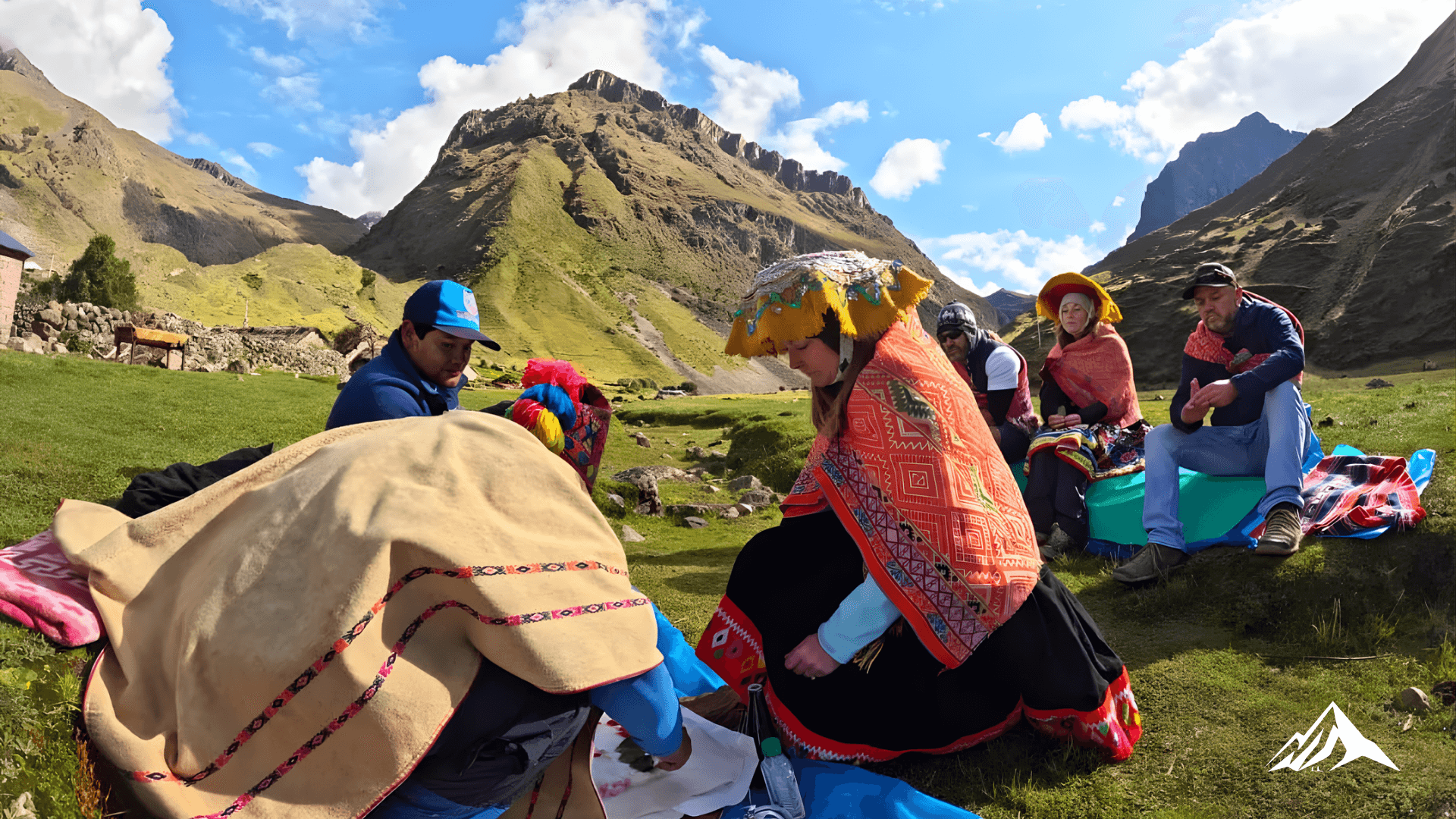
Experiential travel is an active commitment to the culture, people, and history of a destination. It is the difference between seeing a postcard of a weaver and learning to dye wool with natural plants alongside a master artisan in the community of Amaru in Cusco. This trend responds to the desire for purposeful tourism in Cusco, where the traveler seeks to understand the "why" behind traditions.
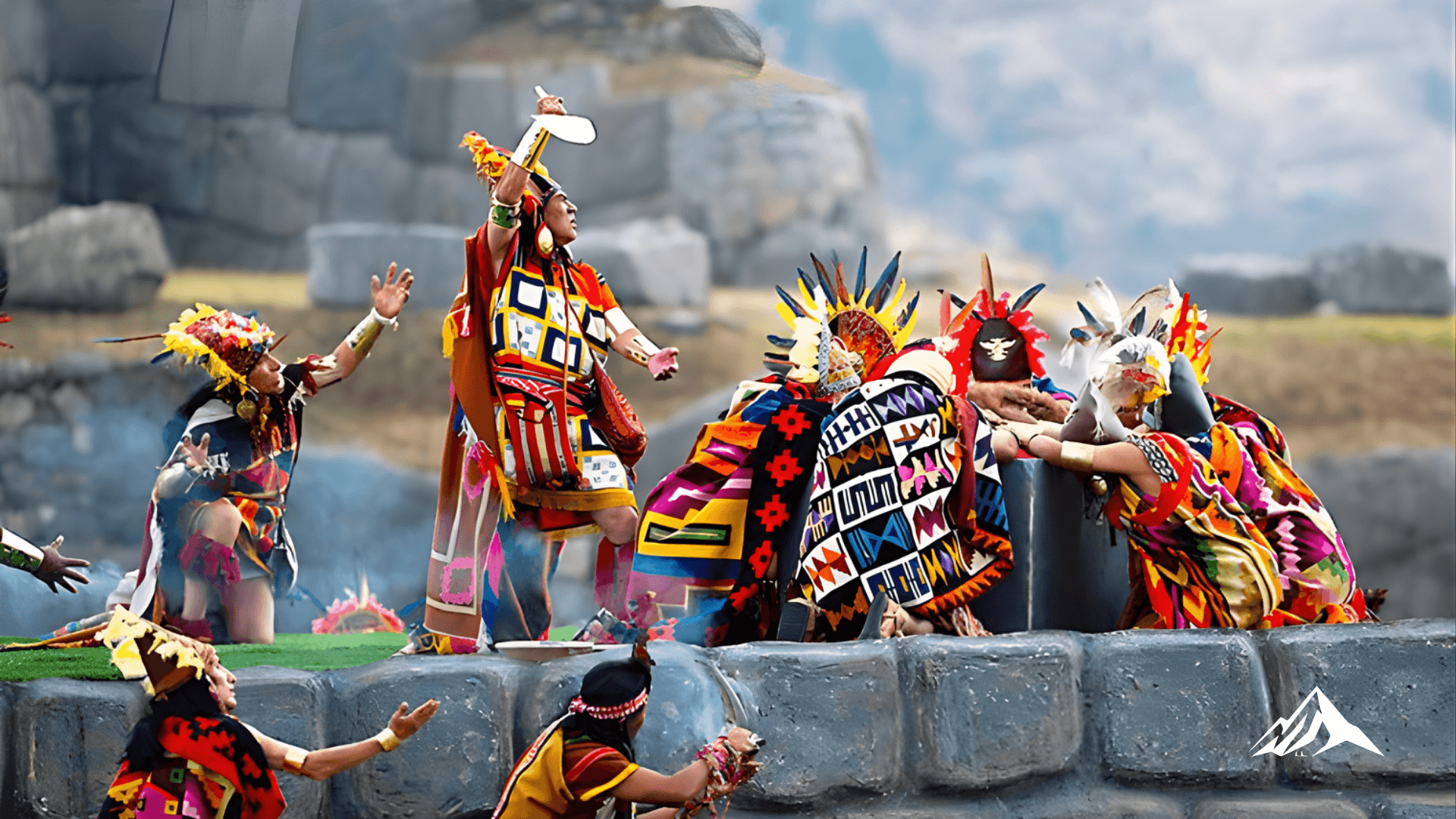
Historically, Cusco has been the gateway to the Inca Empire. Today, that empire lives on through its descendants in communities like Huilloc and Patacancha. In 2026, the "Slow Travel" trend is changing how trips are planned; travelers now seek to spend more time in a single place to understand its heartbeat. This approach not only enriches the traveler but also directly supports sustainable tourism in Machu Picchu and its surroundings.
Traveler Tip: When visiting high Andean communities, always carry small bills in Soles if you wish to buy crafts directly. It is the most direct way to support the local economy and ensure your Quechua cultural exchange is respectful.
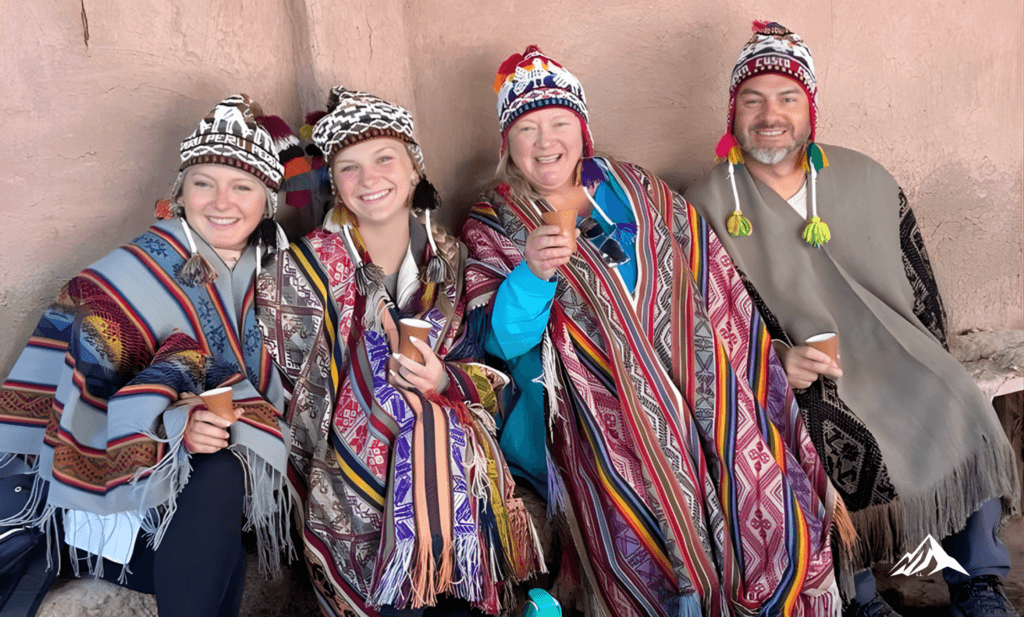
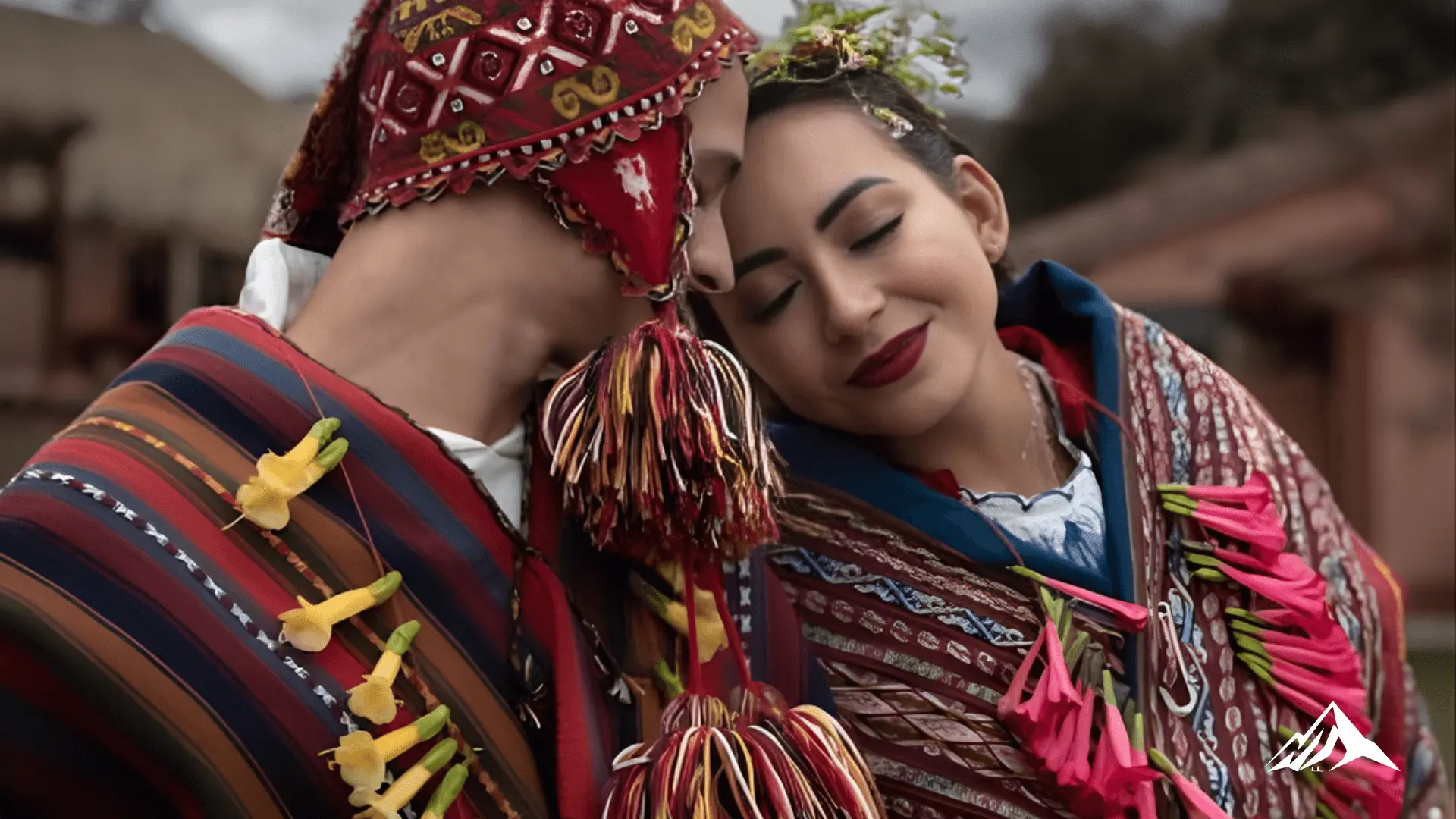
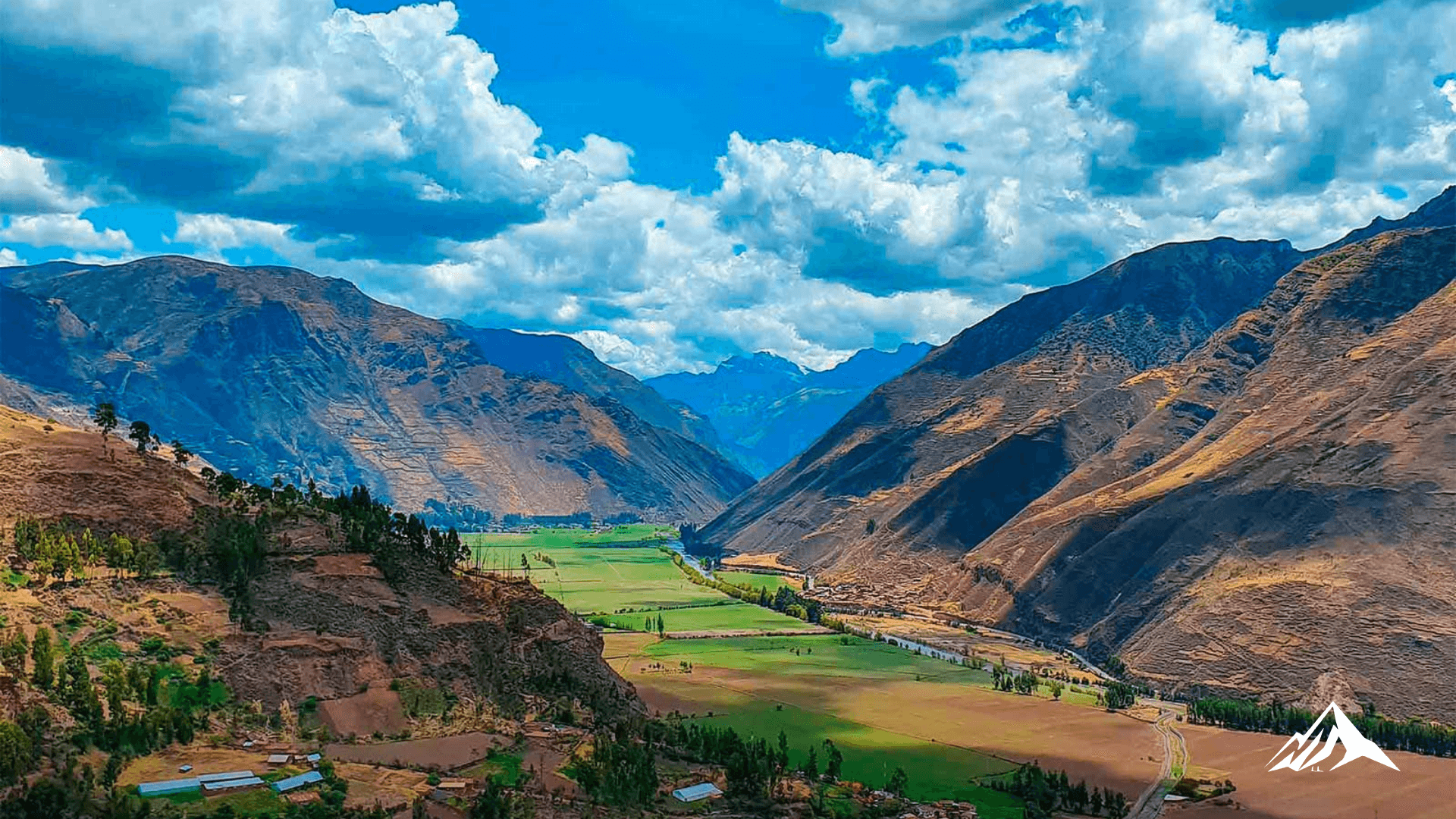
Located high in the Sacred Valley, Huilloc and Patacancha are known as "Living Inca Villages." Here, residents dress traditionally every day, identified by their iconic red and black ponchos. These communities offer the best local tours in the Sacred Valley.
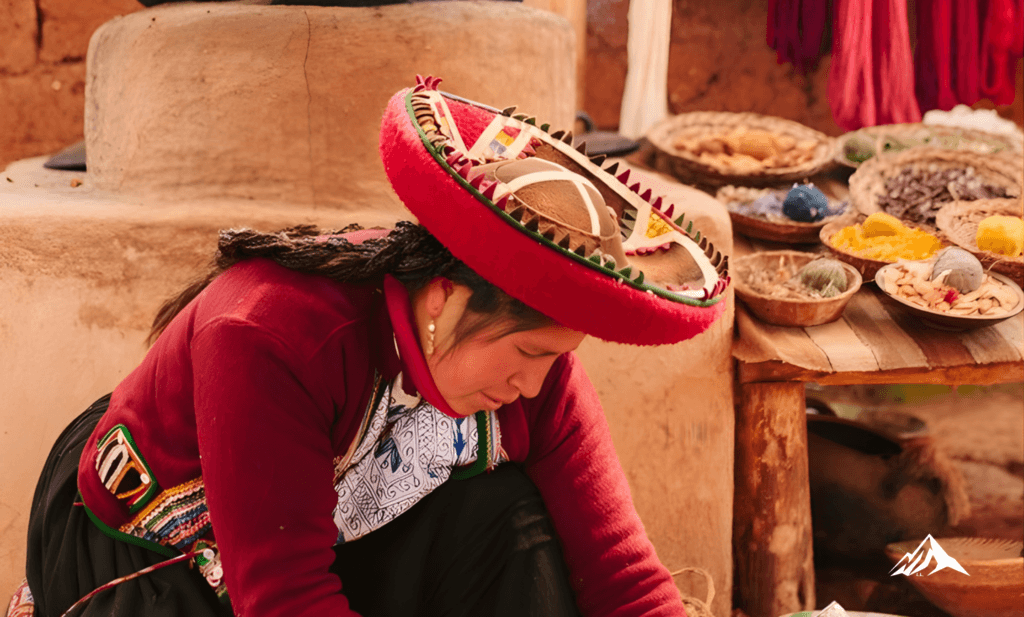
If you are looking for hidden gems in Cusco for 2026, Amaru and Misminay are mandatory stops. These locations delve deep into the relationship between Andean people and their environment.
In Amaru, the focus is on the earth. This community is famous for its botanical knowledge. You can spend an afternoon learning about medicinal plants that have healed Andean people since before the Spanish arrival. It is a masterclass in sustainable tourism in Peru.
On the other hand, Misminay offers an incredible view of the Andes. Situated on a high plateau overlooking the circular terraces of Moray, Misminay is the perfect place for experiential travel in Andean communities.
Pro Tip: The best time to participate in planting is between October and December, and the main harvest takes place between March and May.
Experiential Travel is a banquet for the senses. From the flavors of the earth to the warmth of an Andean home.
Peruvian cuisine is world-famous, and in the Andes, the culinary experience is intimate and profound.
Accommodation is the foundation of cultural exchange. By choosing experiential lodging, you ensure your money contributes directly to the well-being of the families.
Important Note: Many experiential accommodations are located at high altitudes. Make sure to take the necessary time to acclimate in Cusco City before heading up to the communities. Coca tea is your best ally!
To make your experiential tour in Cusco unforgettable and respectful, consider these recommendations:
| Aspect | Practical Recommendation |
| Best Time | April to October (Dry Season): Less rain, ideal for outdoor activities. Harvest is spectacular in March-May. |
| What to Bring | Clothing in layers (extreme cold and heat), sunscreen, hat, flashlight, a small daypack, and symbolic gifts for children or the family (school supplies, books, etc.). |
| How to Get There | Ideally, hire an expert local operator like AndeXperience Travel Agency. They manage private transport from Cusco or the Sacred Valley to the community. |
| Budget | A 1-2 day experiential tour is often more accessible than a traditional tour and includes lodging, meals, and activities. Check with AndeXperience for detailed packages. |
| Accommodation | Book in advance, especially in high season (June-August), as community capacity is limited to preserve the quality of the experience. |
| Attitude | Be flexible, respectful, and open to learning. You are entering someone's home. Let go of the rush and embrace the Andean rhythm. |
| Social Impact | By participating in Experiential Travel, you directly benefit families in Misminay, Amaru, and Huilloc. 100% of the income from local services funds education, health, and the preservation of ancestral traditions. |
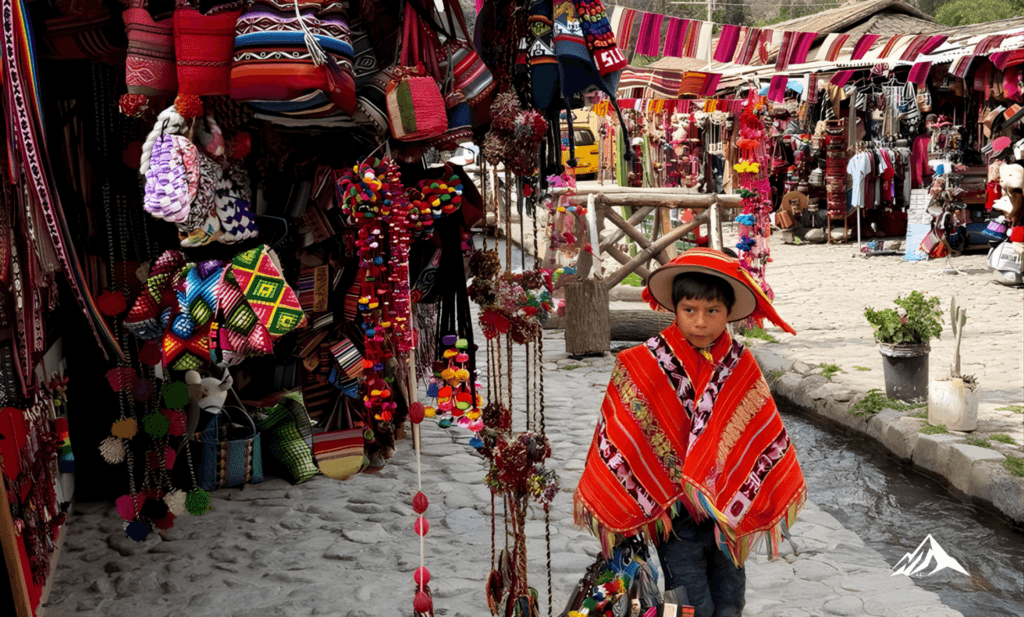
Cusco calls you to go beyond the Machu Picchu postcard. It invites you on a journey where history is not just admired, but lived. Experiential Travel is the most enriching and responsible way to experience the cultural wealth of Peru, leaving a positive footprint on the communities and an indelible mark on your own life.
Ready for a journey that truly changes you?
As an expert local operator in the heart of the Andes, AndeXperience Travel Agency works directly with communities to offer you authentic, safe, and high-social-impact experiences.
Important Note: Experiential travel requires an open heart and flexibility. Nature and community life in the Andes do not follow a strict digital clock.
Book your next adventure with us and experience authentic Peru.
You can take part in hands-on activities such as weaving on a backstrap loom, dyeing wool with natural plants, planting or harvesting potatoes, and preparing traditional dishes like pachamanca. In communities like Patacancha and Huilloc, you will also learn about textile symbolism (Pallay).
The best season is from April to October, when there are less and ideal conditions for outdoor activities in the Sacred Valley. If you want to participate in agricultural activities, planting takes place between October and December, while the main harvest occurs from March to May.
Accommodation is provided in family homes within local communities such as Amaru and Misminay. Rooms are simple, clean, and decorated with traditional textiles, offering an authentic experience. Meals are shared with the host family, encouraging cultural exchange.
It’s important to bring layered clothing due to extreme temperature changes, sunscreen, a hat, a flashlight, and a small day backpack. It’s also recommended to bring small symbolic gifts, such as school supplies, as a gesture of respect and appreciation for local families.
Unlike conventional tours focused on quick visits to places like Machu Picchu, this experience offers a deeper connection with living culture, promoting “slow travel.” Travelers don’t just observe—they actively participate in daily Andean life.







Company name: Andexperience Travel Agency S.A.C.
Ruc: 20614773210



Copyright © 2026. AndeXperience Travel. All Right Reserved