
There are places in the world where culture isn’t just something you see — it’s something you feel, taste, live, and carry with you forever. Cusco, the ancient heart of the Inca Empire, is one of them. Here, history breathes through vibrant festivals, sacred rituals, centuries‑old customs, and joyous celebrations that echo through cobblestone streets and highland plains.
In this guide, you’ll discover the most representative Cusco traditions and customs — from the dazzling spectacle of Inti Raymi to humble Pachamama rituals, from colorful markets like Santurantikuy Cusco to dramatic Carnavales Cusco. Whether you’re a first‑time visitor or seasoned cultural traveler, prepare to be inspired.
Let AndeXperience Travel Agency take you beyond the postcards, into the soul of Peruvian heritage.
Cusco’s festivals are more than celebrations — they are communal lifeblood, storytelling in motion that bridges centuries of ancestral memory.
Inti Raymi Cusco — The Festival of the Sun
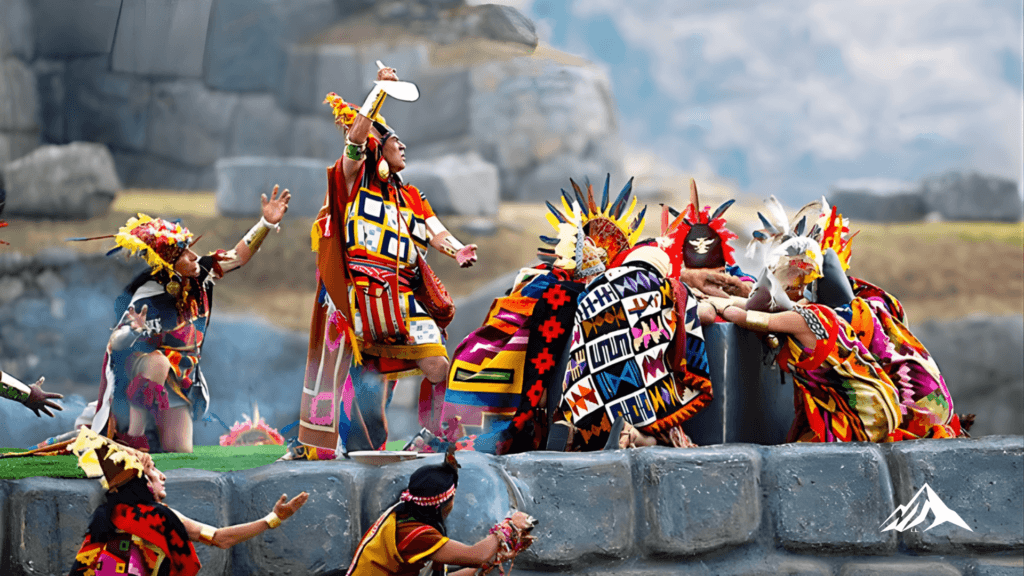
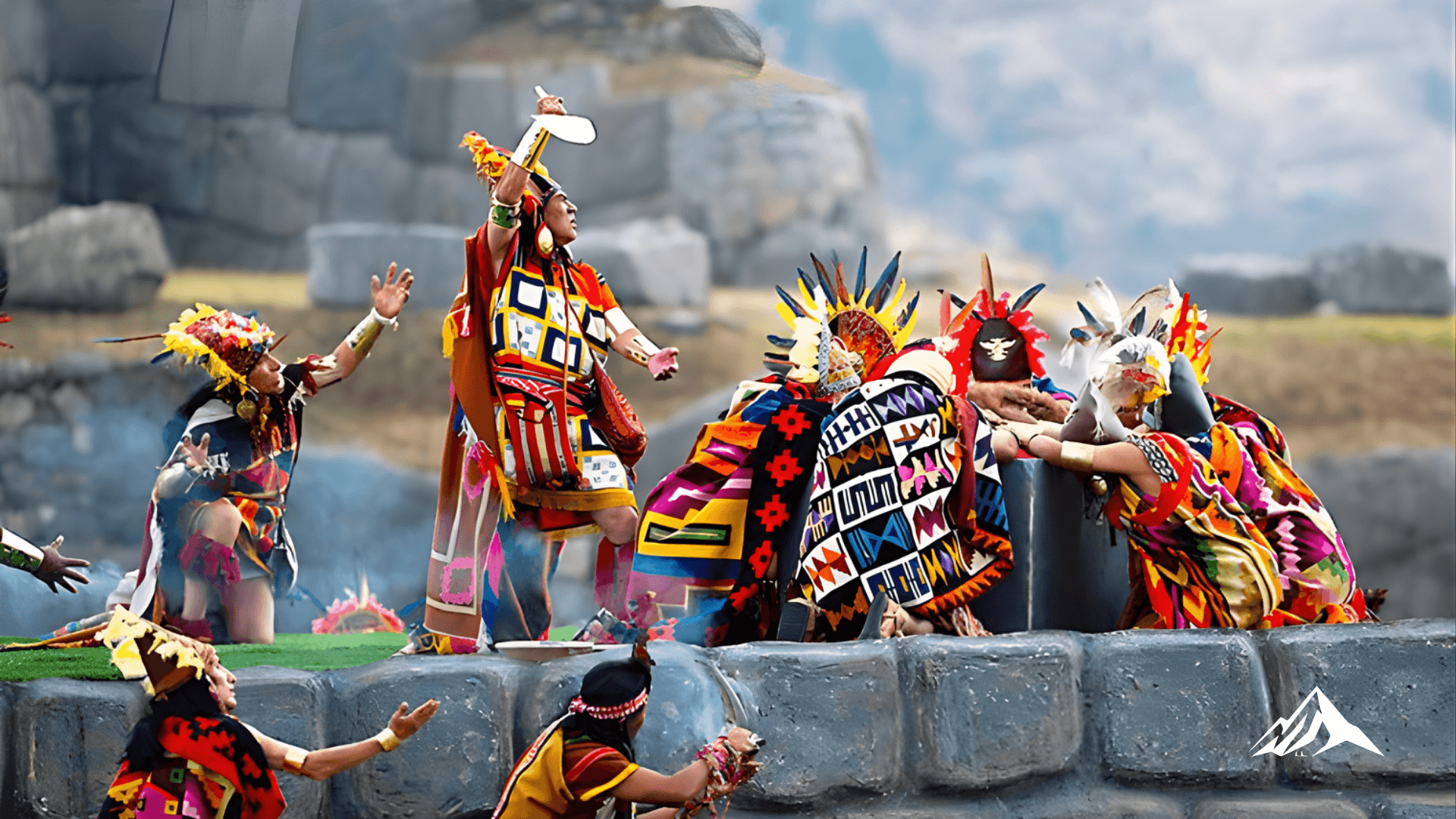
Each June 24, the ancient capital of the Incas awakens in gold and flame for Inti Raymi, the grandest celebration of the year. Dating back to the 15th century, this festival honors Inti, the Inca sun god, and marks the winter solstice — a time of renewal and gratitude.
Travelers from around the world gather at Sacsayhuamán, watching actors re‑enact powerful rituals in traditional garb, complete with music, dance, incense, and emotional reverence.
Traveler tip: Book your Cusco festival tickets Inti Raymi months ahead — they sell out fast. Expect high energy and dramatic performances that are deeply rooted in Andean cosmology.
Inti-Raymi
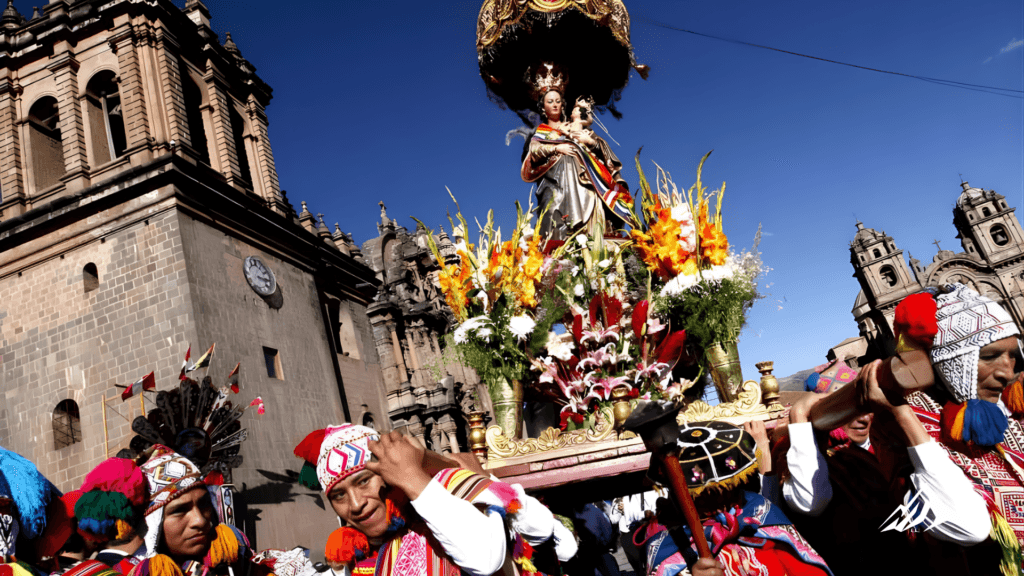
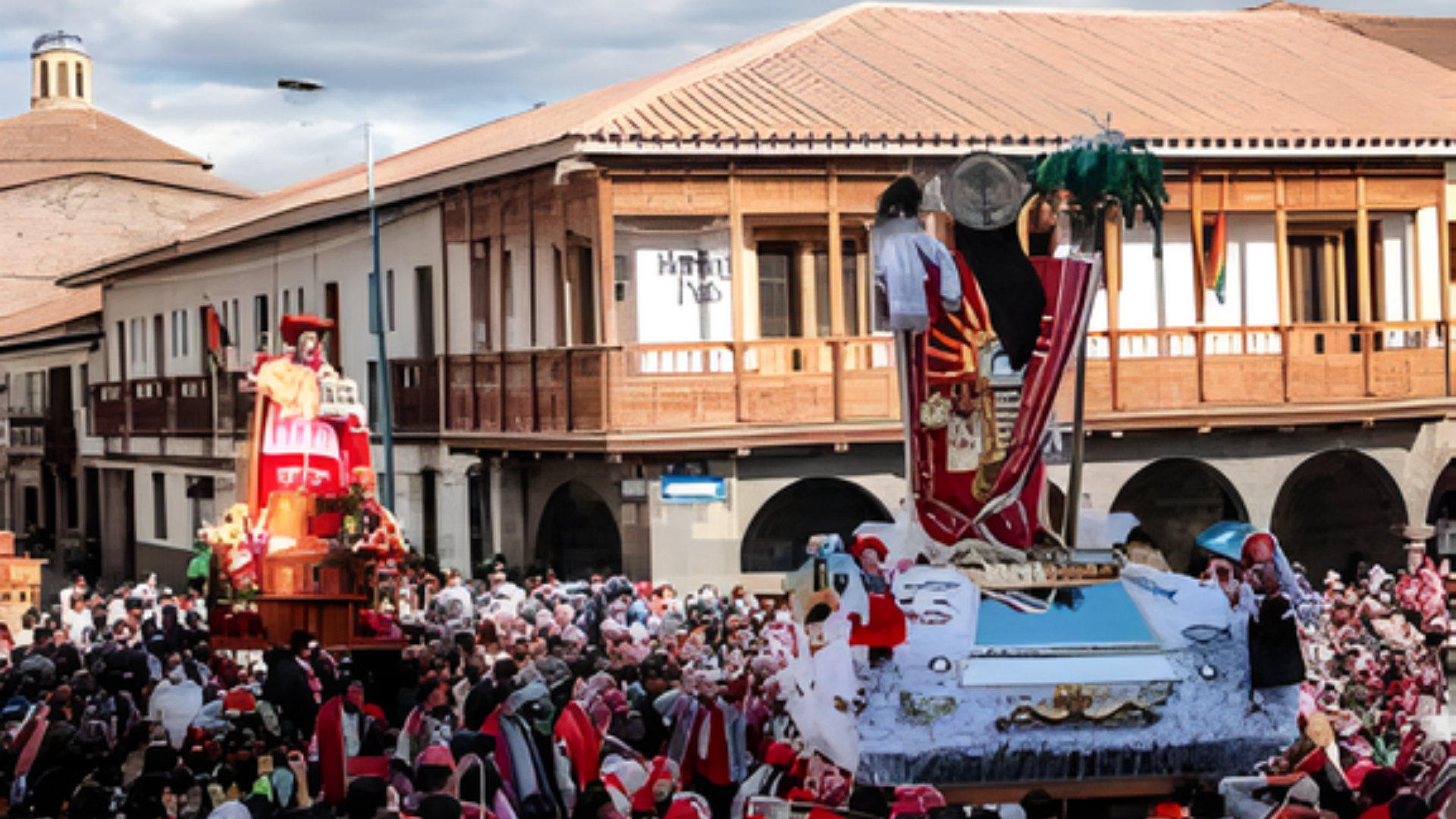
Every spring, Cusco blends Catholic and indigenous traditions in a stunning procession for Corpus Christi Cusco. Dozens of saints from local churches are carried through town, accompanied by folk dances and joyful music. It’s a rare fusion of devotion and celebration, revealing Cusco’s spiritual soul.
Corpus-Christi
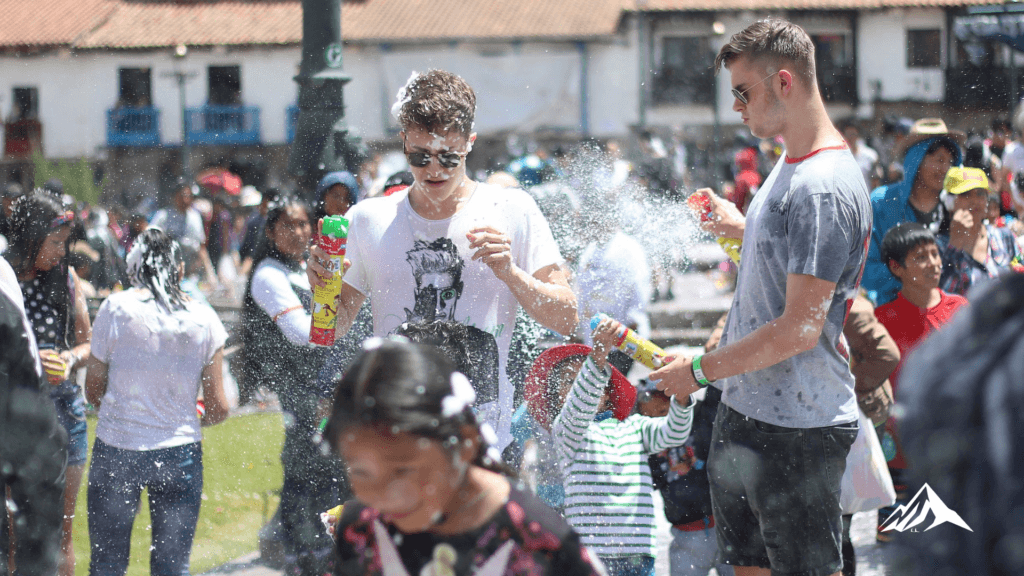
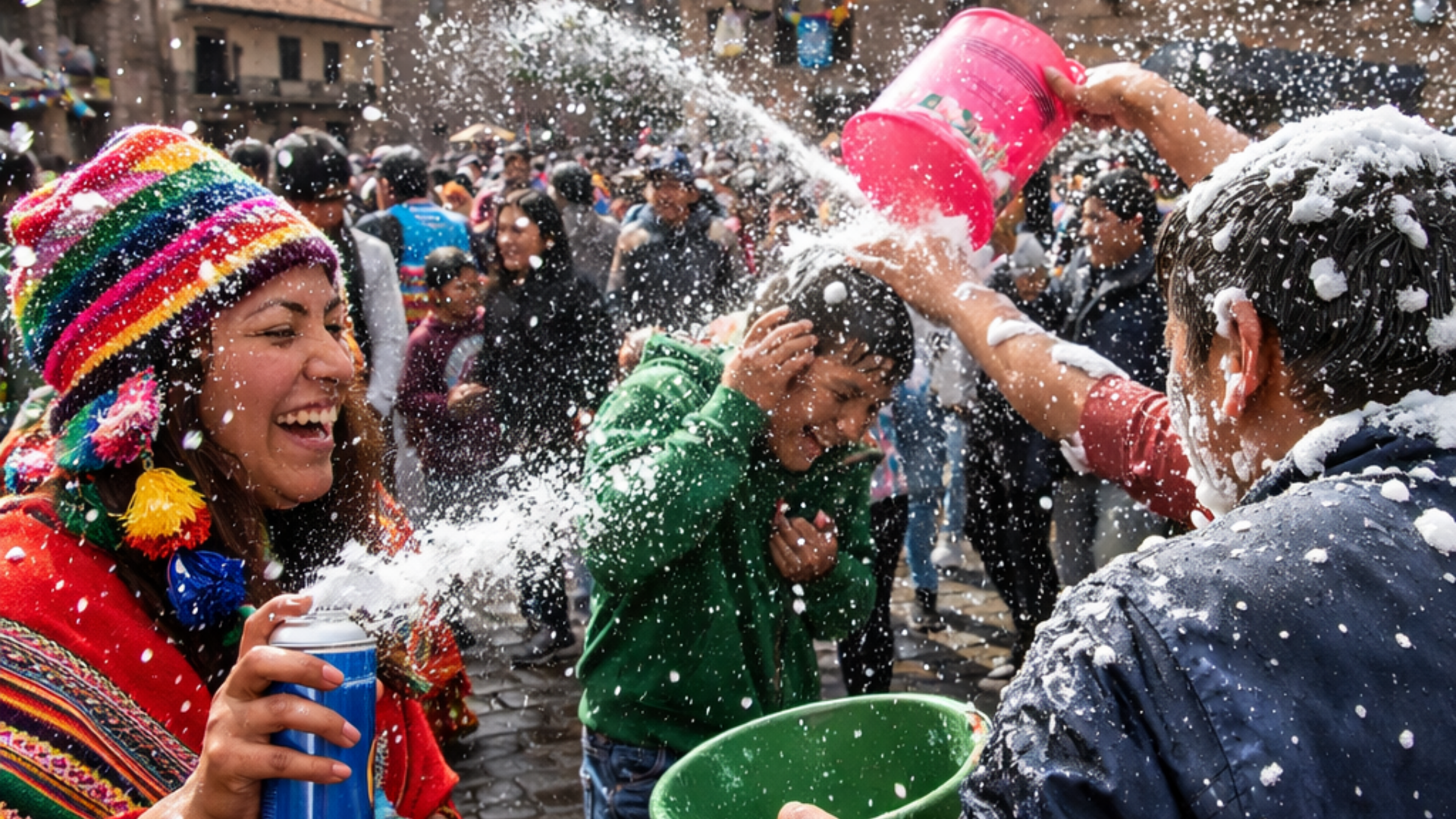
Carnival in Cusco isn’t just a moment — it’s a week‑long embrace of color, water, confetti, and dance. In the plazas and alleys, laughter fills the air as locals and visitors alike take part in the region’s playful tradition.
Cusco Carnivals
Cusco’s traditions are rooted in a living belief system that blends ancient Andean spirituality with colonial heritage.
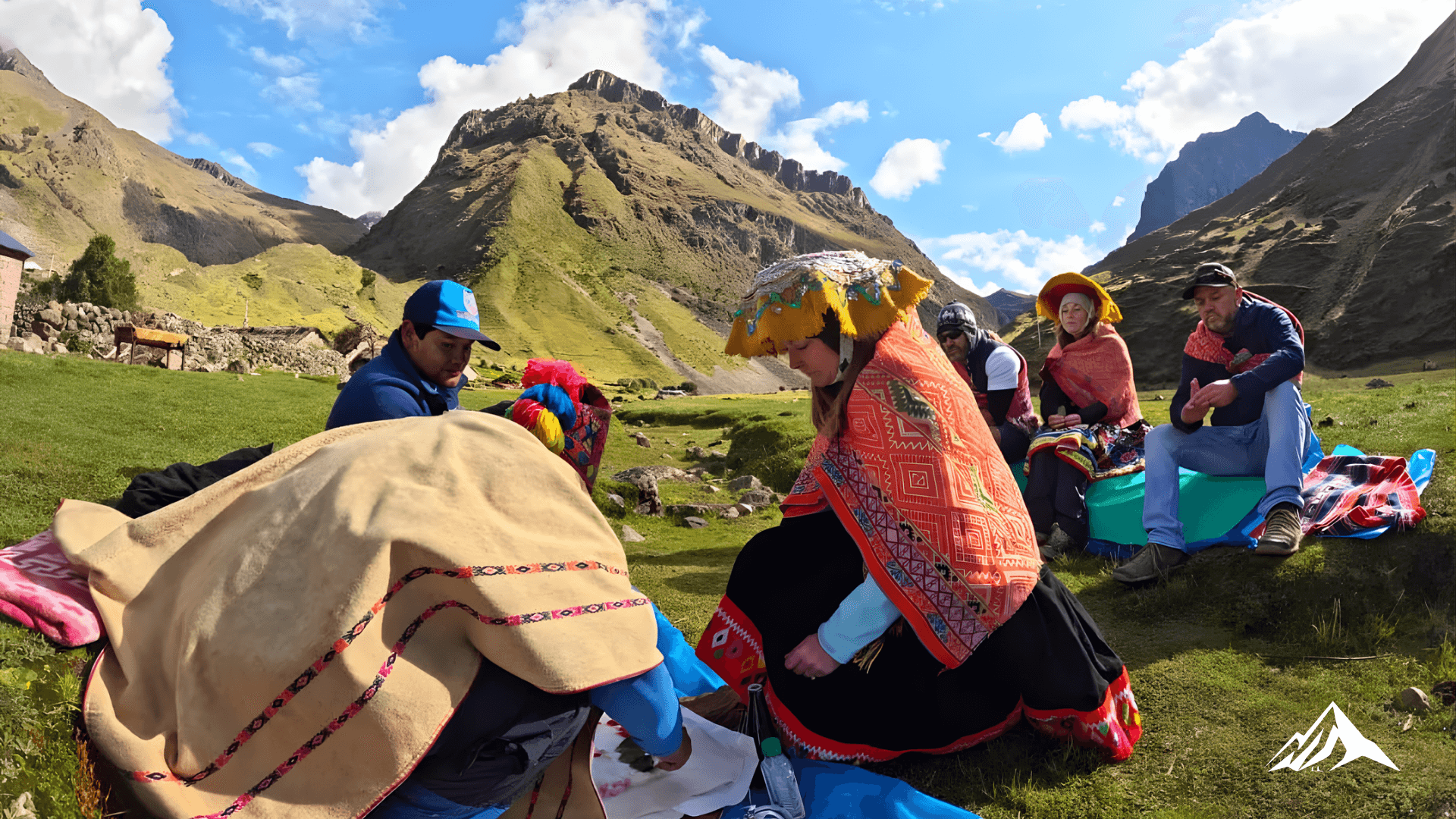
Long before Spanish arrival, the Andean people practiced ceremonies to honor Pachamama — the Earth Mother. Today, you’ll see offerings of coca leaves, flowers, and chicha at altars and fields across the Sacred Valley.
The spirituality of Pachamama connects locals and visitors alike to a deep sense of gratitude, belonging, and reverence for nature.
Far from urban Cusco lies Q’eswachaca, the last remaining Inca rope bridge. Every year, villagers rebuild it using ancient techniques passed down through generations. The ritual is an extraordinary testament to community, sustainability, and living history.
Local tip: Visit during the Q’eswachaca bridge reconstruction season (usually in June) to witness this authentic ancestral weaving tradition in action.
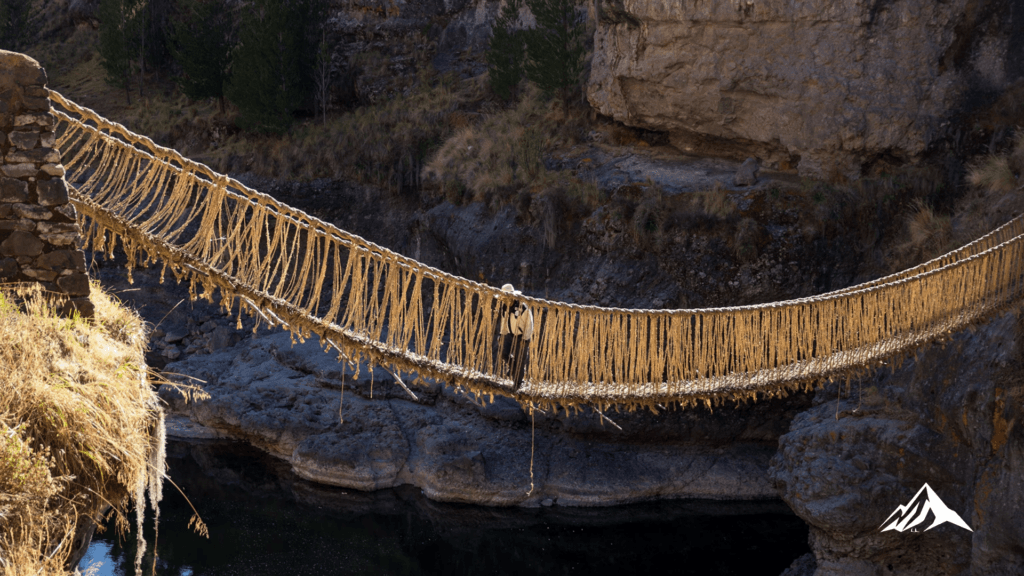
Q’eswachaca
From the rhythmic stomp of the marinera to the hypnotic flutes and drums echoing through plazas, traditional dance in Cusco is a must‑see. Each movement tells a story — of harvest, courtship, struggle, celebration, and connection to the land.
Cusco’s festivals are multisensory journeys: vibrant textiles, street delicacies, and open‑air markets where history feels tangible.
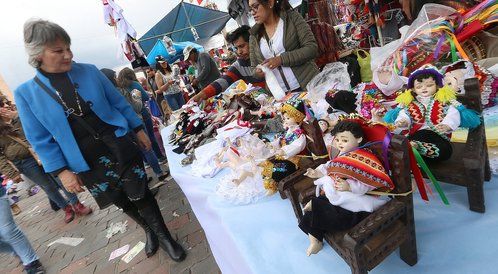
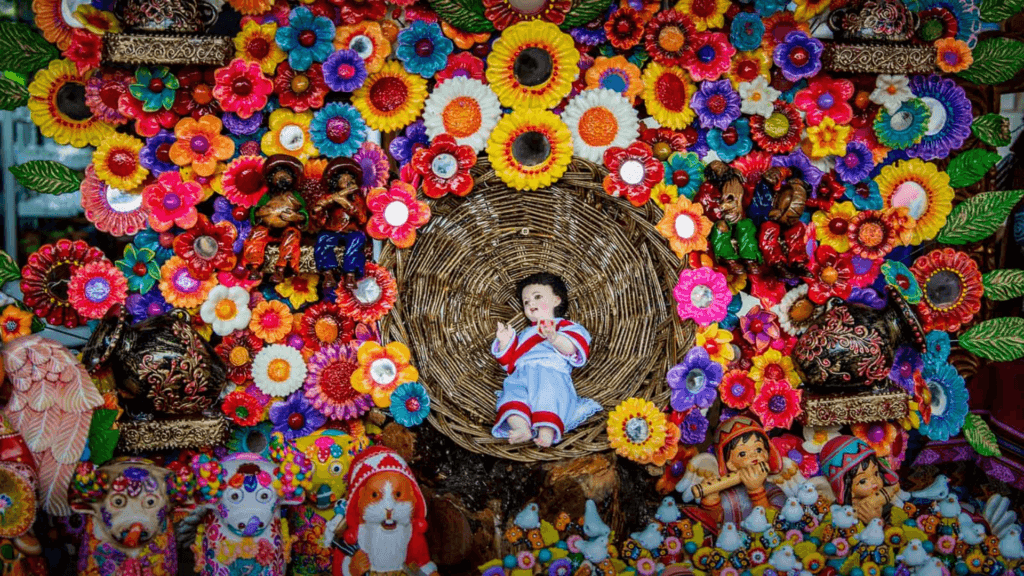
Each December, artisans gather in Cusco’s Plaza de Armas for Santurantikuy, an open‑air Christmas market where hand‑woven textiles, carved wooden figures, and traditional crafts fill every stall. It’s the perfect place to take home a piece of Cusco’s aesthetic heart.
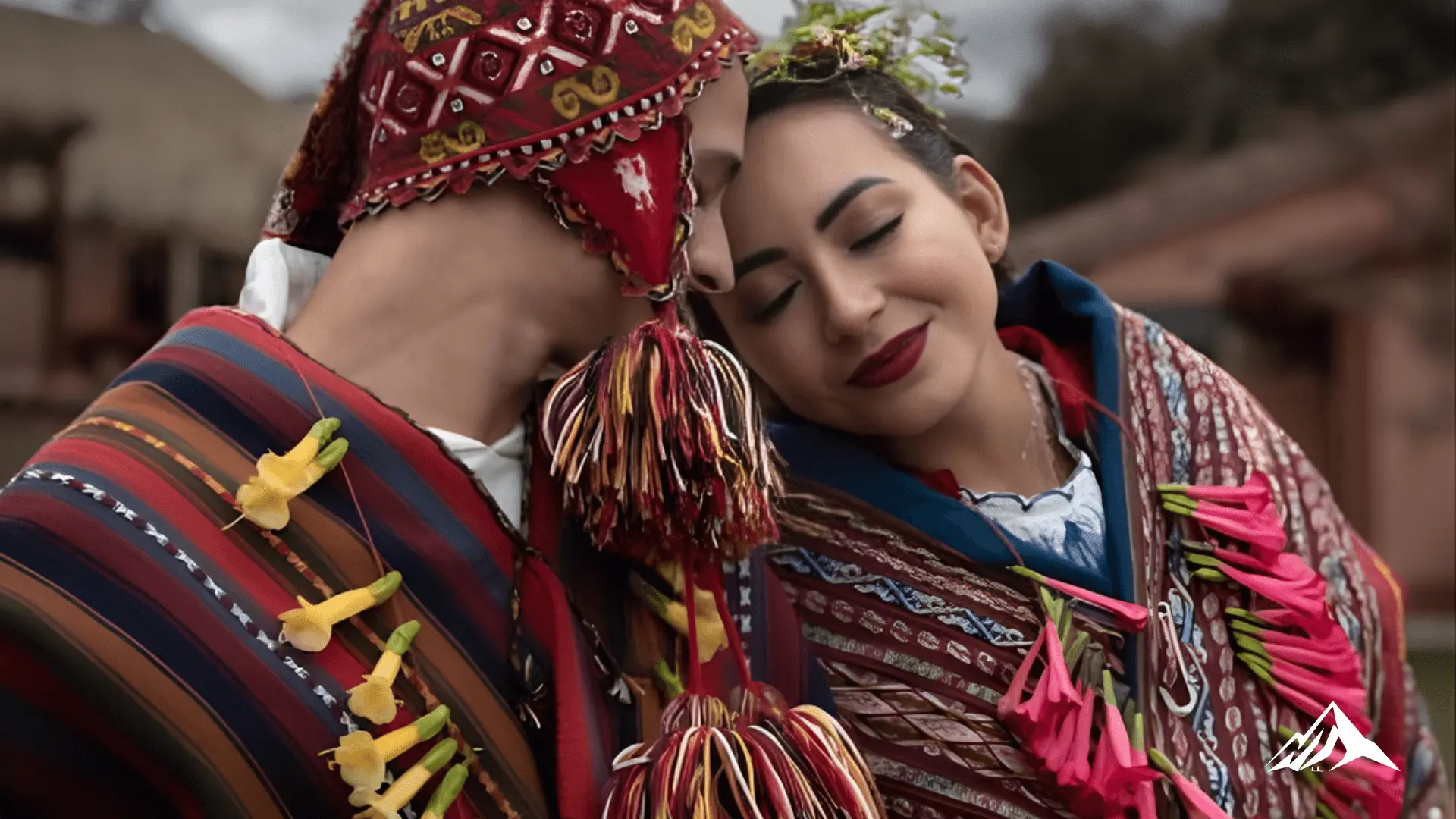
The colors here are bold; patterns are deep with meaning. Traditional garments — from brightly embroidered ponchos to intricately woven skirts — showcase Andean identity. Stops at local weaving cooperatives offer insights into techniques that stretch back centuries.
Food in Cusco is a festival in itself: cuy chactado, hearty stews, and spicy rocoto relleno tell stories of land and season. Festival days often feature regional specialties — like spicy chiri uchu served at special events.
Pro tip: Sample festival foods at artisan markets — the flavors are authentic and full of history.
Here’s how to plan your unforgettable Cusco experience:
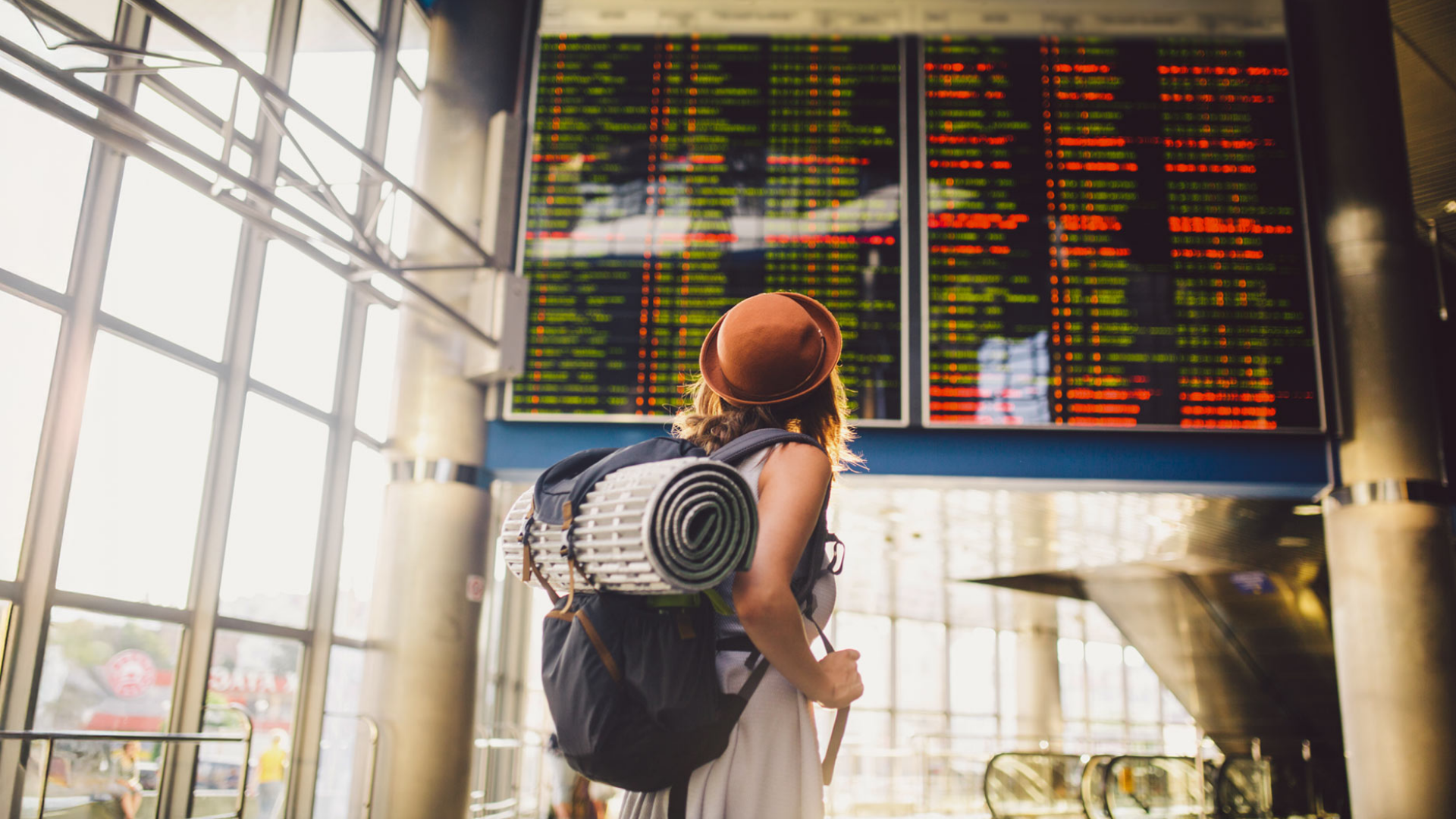
Fly into Alejandro Velasco Astete International Airport (CUZ) then explore via guided tours or shared vans to Sacred Valley sites.
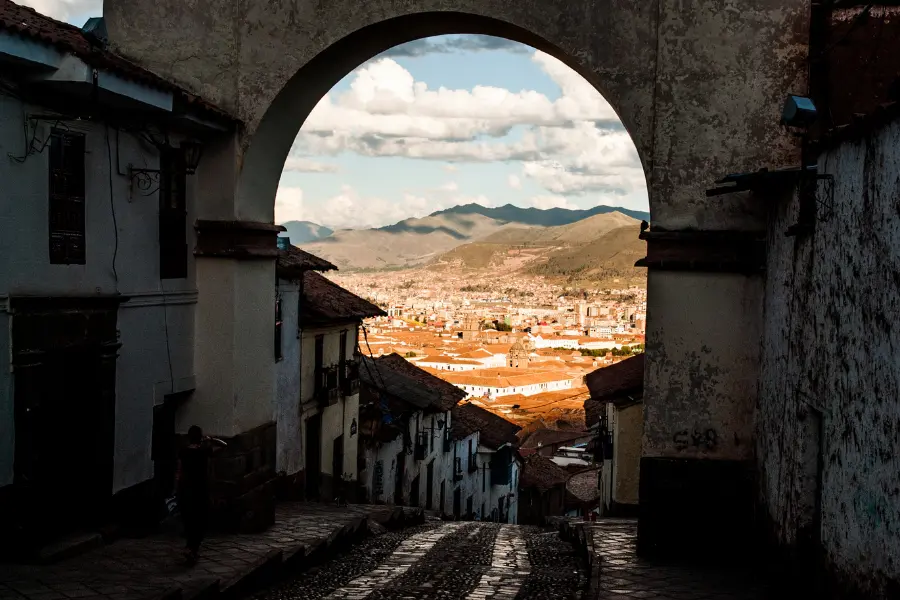
Stay in historic districts like San Blas or near the Plaza de Armas for walkable access to festivities and museums..
Cusco is not just a destination — it’s a living museum of humanity’s most vivid traditions. From the soaring chants of Inti Raymi to humble blessings at Pachamama ceremonies, from markets brimming with life to dances that summon centuries of heritage — Cusco pulls you into its rhythm.
Discover this experience with AndeXperience Travel Agency. Book your next adventure with us and experience authentic Peru — where every tradition is a story, and every festival is a journey.








Company name: Andexperience Travel Agency S.A.C.
Ruc: 20614773210



Copyright © 2026. AndeXperience Travel. All Right Reserved