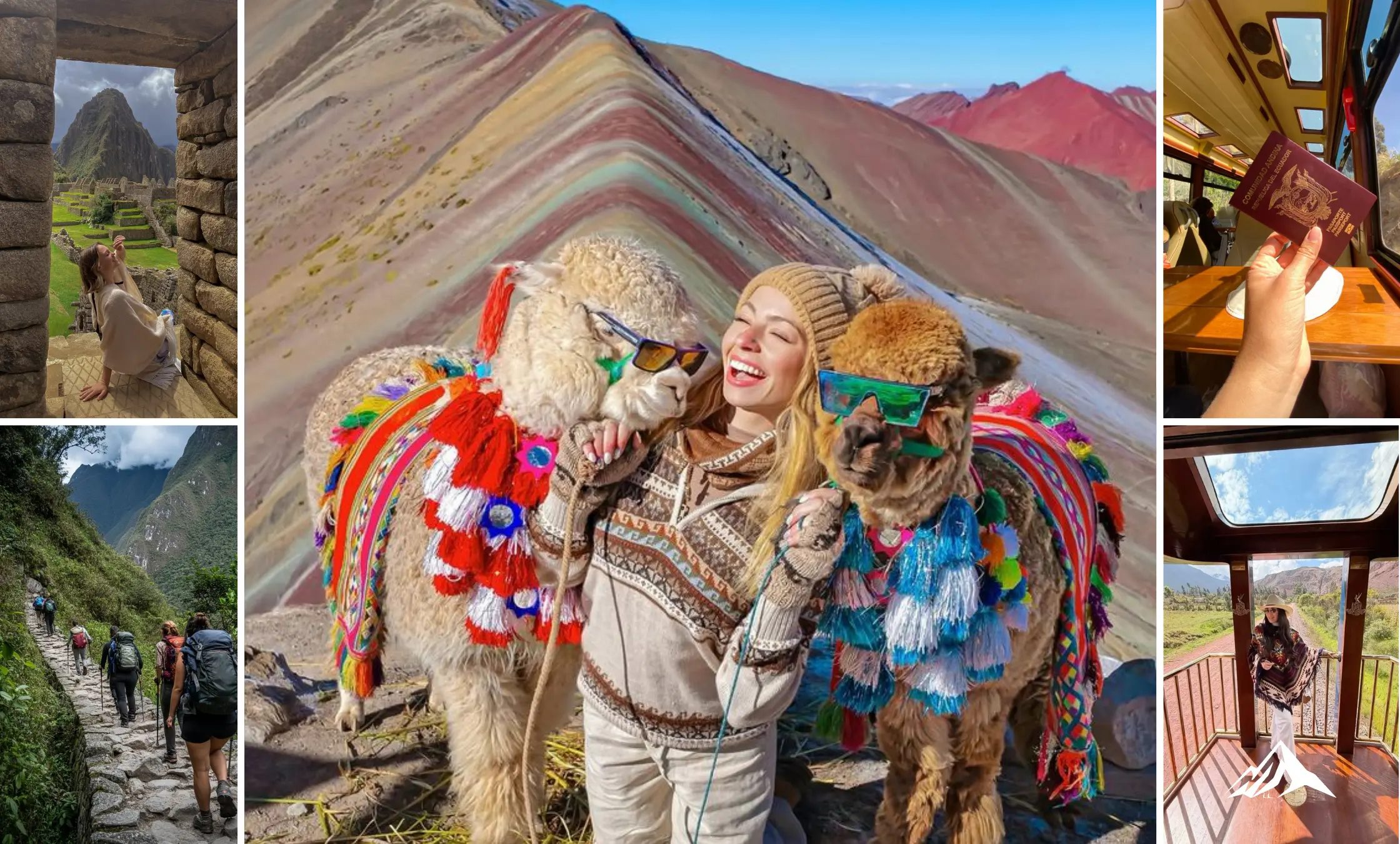

Best Itinerary for Peru: Complete Guide to 7, 10, 15 and 21 Days
Peru is a destination that is difficult to summarize in a single route. On the same trip, you can travel from the Pacific coast to the Andes, walk along ancient Inca paths, discover towns where traditions remain part of everyday life, sail across Lake Titicaca, and end your journey surrounded by the biodiversity of the Amazon.
Peru was the heart of the Inca Empire and later became one of the most important territories during the colonial period in South America. This combination of history, culture, nature, and gastronomy makes every journey through the country a different experience.
But precisely because of its incredible diversity, one question arises: What is the best itinerary for Peru?
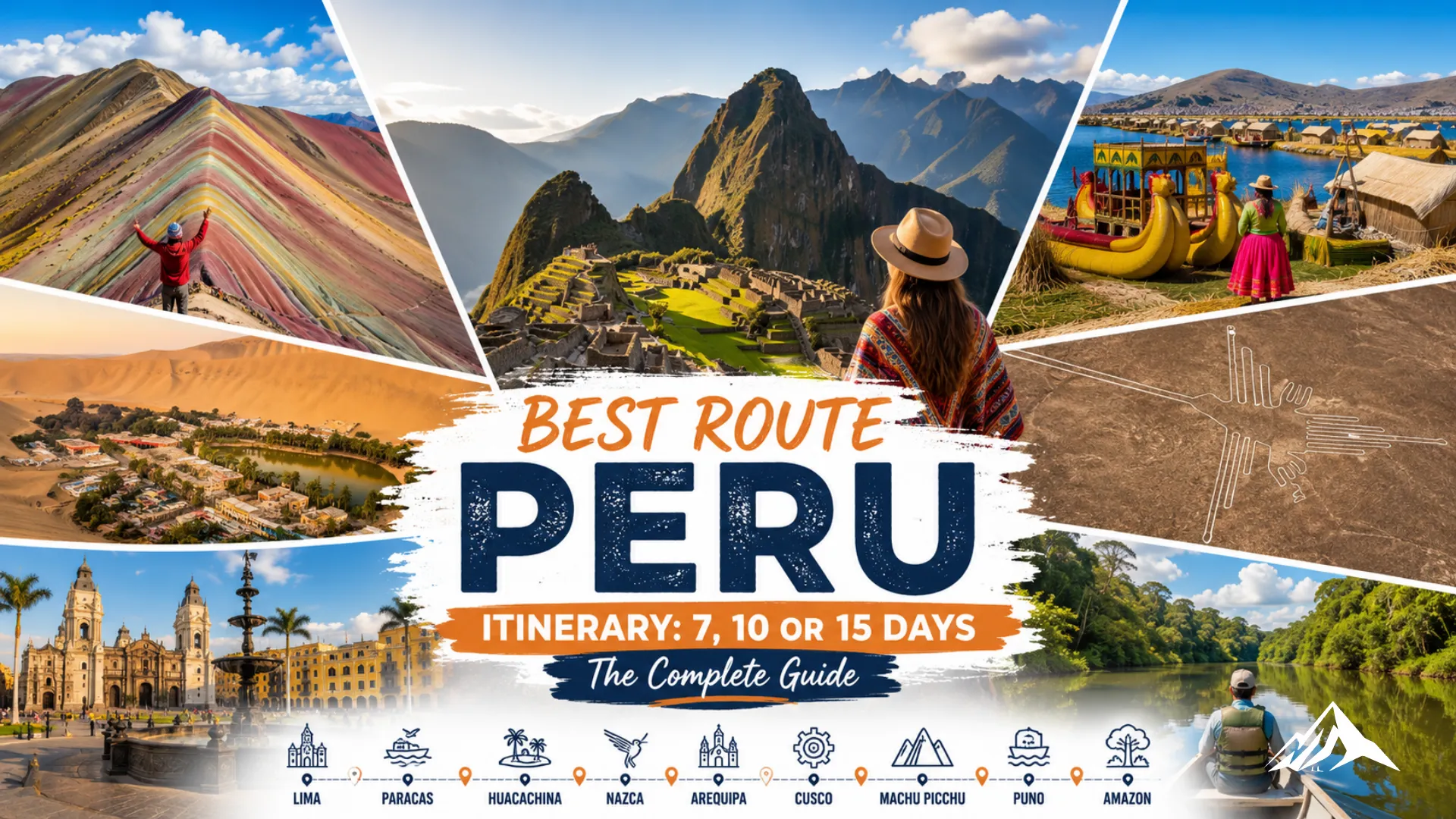
The answer depends on how much time you have, which places you want to visit, and, above all, how you want to travel. A 7-day route can focus on Lima, Cusco, and Machu Picchu, while a 15- or 21-day trip allows you to include Paracas, Huacachina, Arequipa, Lake Titicaca, or the Amazon.
In this guide, you will find different Peru itinerary options, from one week to three weeks, along with recommendations for organizing a comfortable, authentic, and well-planned trip.
What Is the Best Itinerary for Peru?
There is no single best itinerary for Peru. The ideal route mainly depends on three factors: the time available, your interests, and the pace at which you want to travel.
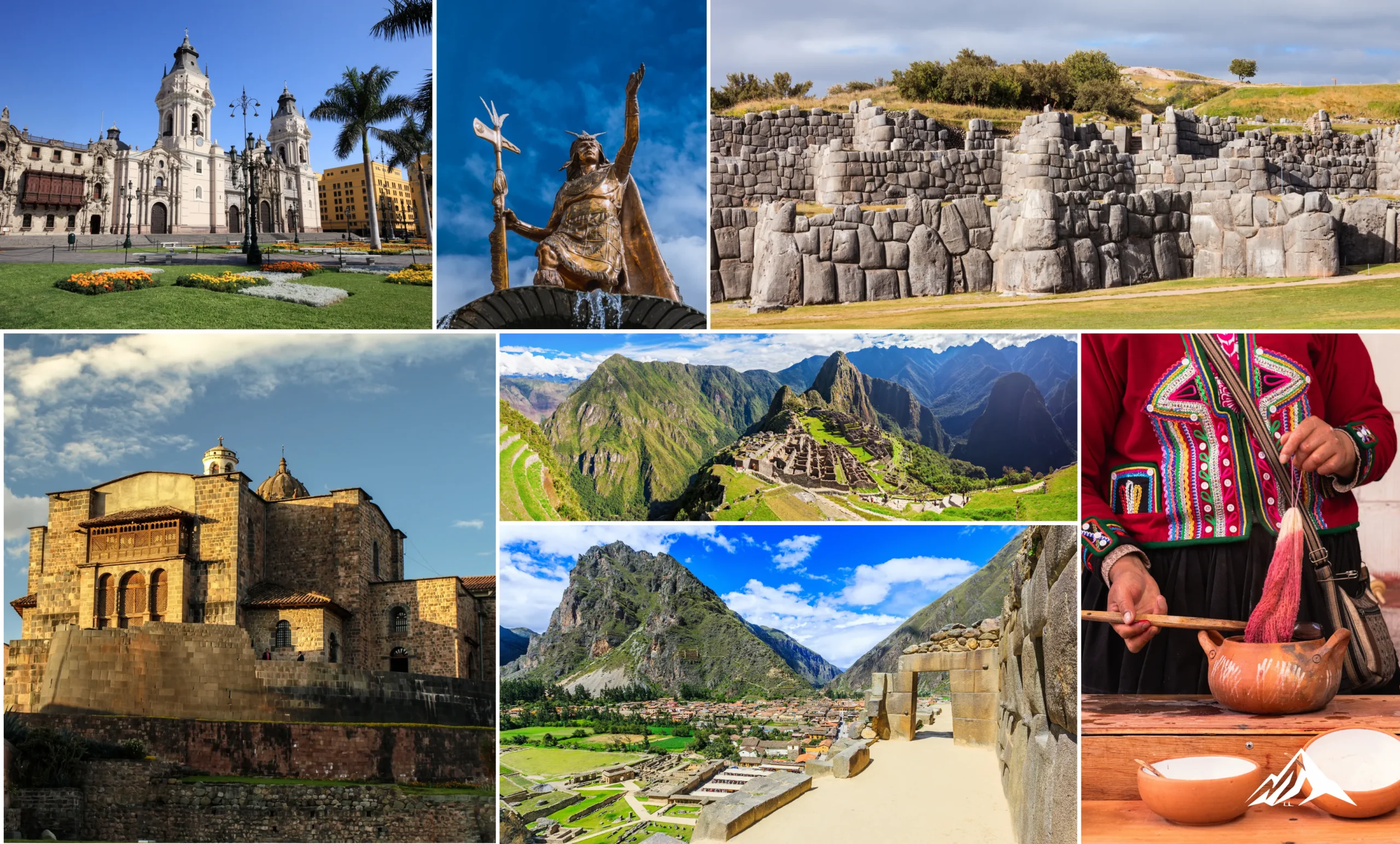
For a first visit, one of the most complete combinations is Lima, Cusco, the Sacred Valley, and Machu Picchu. This route allows you to experience Lima’s gastronomy and cultural diversity, Cusco’s Inca and colonial heritage, the landscapes of the Sacred Valley, and one of the great archaeological symbols of South America.
If you have more time, you can extend your route to Peru’s southern coast, Arequipa, Lake Titicaca, or the Amazon.
The Best Peru Routes Based on Your Available Time
| Duration | Recommended Route | Ideal For |
| 7 days | Lima – Cusco – Sacred Valley – Machu Picchu | Short first visit |
| 10 days | Lima – Cusco – Sacred Valley – Machu Picchu + additional experience | Complete first visit |
| 15 days | Lima – Paracas – Huacachina – Arequipa – Cusco – Machu Picchu – Puno | Travelers seeking variety |
| 21 days | Coast – Arequipa – Lake Titicaca – Cusco – Machu Picchu – Amazon | Comprehensive experience |
Travel Tip: Do not try to visit too many destinations in just a few days. Distances, altitude, and changing weather conditions require time to rest and allow you to enjoy a well-planned and pleasant journey.
Peru in 7 Days: An Essential Route
If you only have one week, the best strategy is to focus on Lima and Cusco’s main attractions while avoiding too many transfers.
A seven-day trip can be enough to experience some of the country’s most iconic places, provided the route is well organized.
Day 1: Arrival in Lima
There is no single best itinerary for Peru. The ideal route depends mainly on the time available, your interests, and the pace at which you want to travel. For a first visit, one of the most complete combinations is Lima, Cusco, the Sacred Valley, and Machu Picchu. This route allows you to experience Lima’s gastronomy and cultural diversity.
Day 2: Lima and Flight to Cusco
After your first introduction to Lima, continue to Cusco.
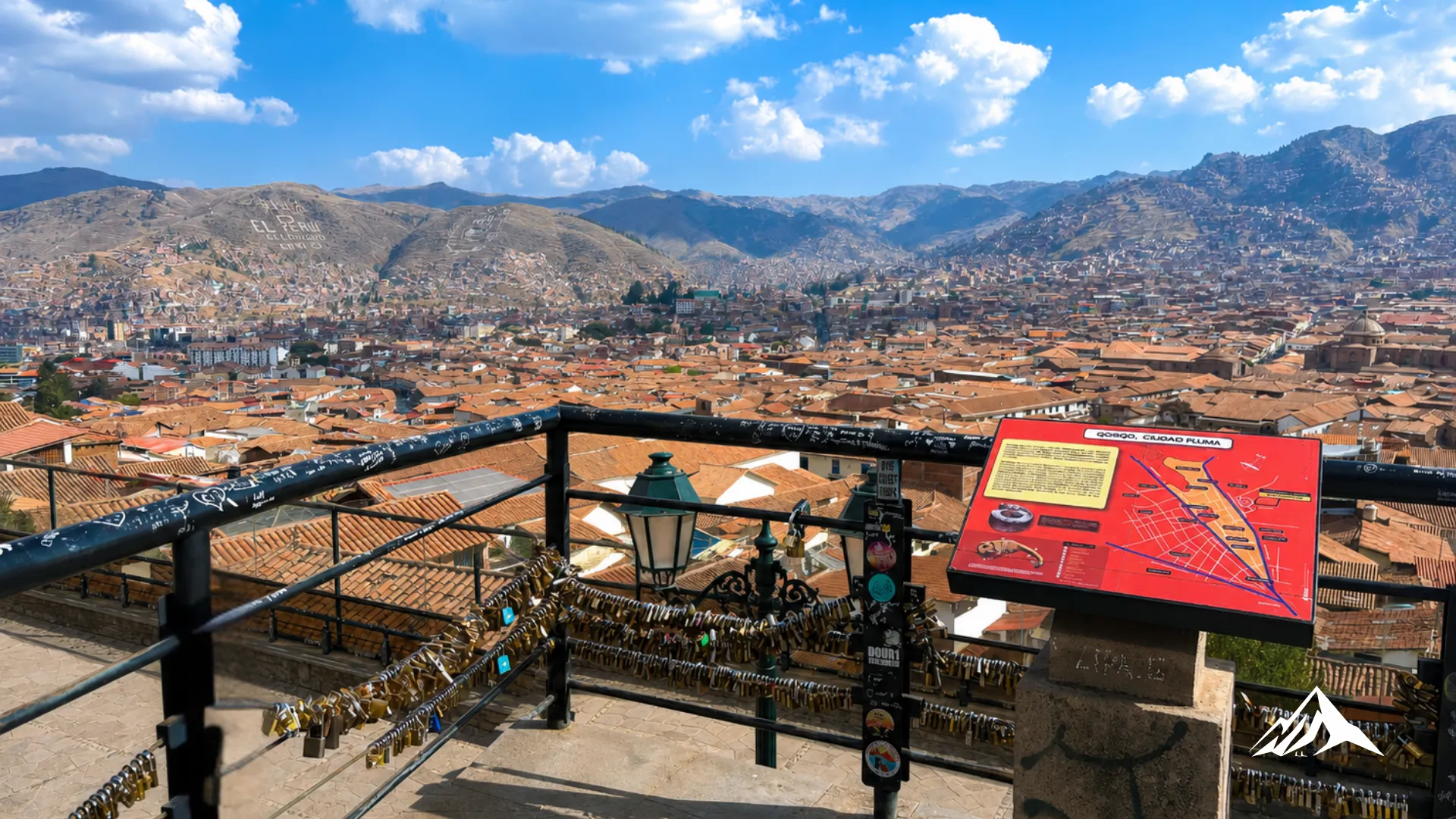
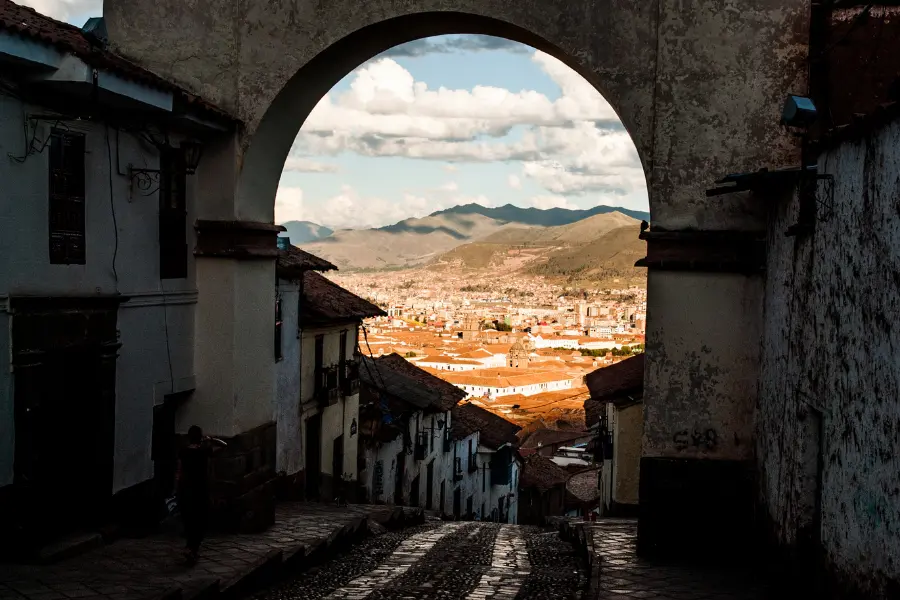
Due to the altitude, it is advisable to keep your first few hours in Cusco relaxed. A walk through the Historic Center can be enough to begin getting familiar with the city without immediately putting your body through strenuous physical activity.
Day 3: Historic Cusco
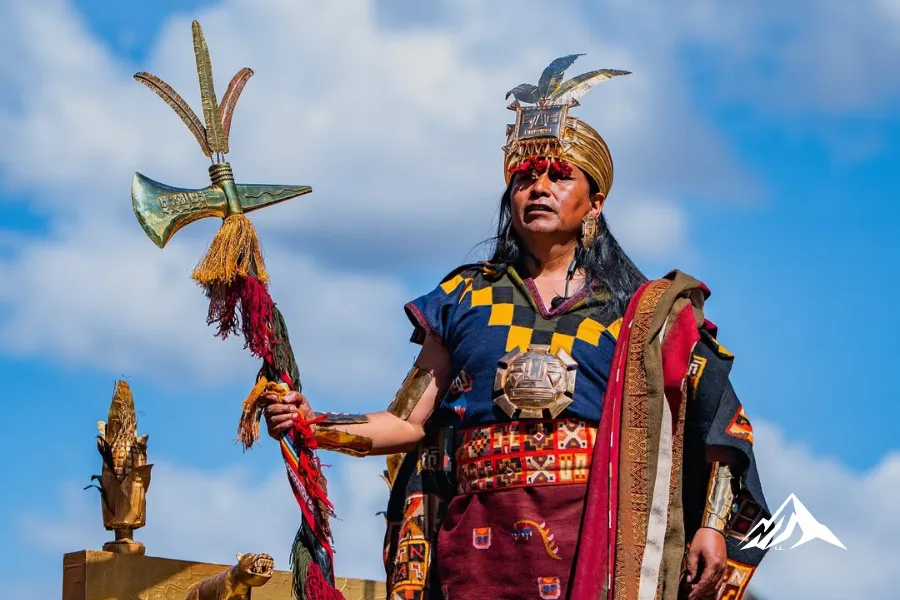
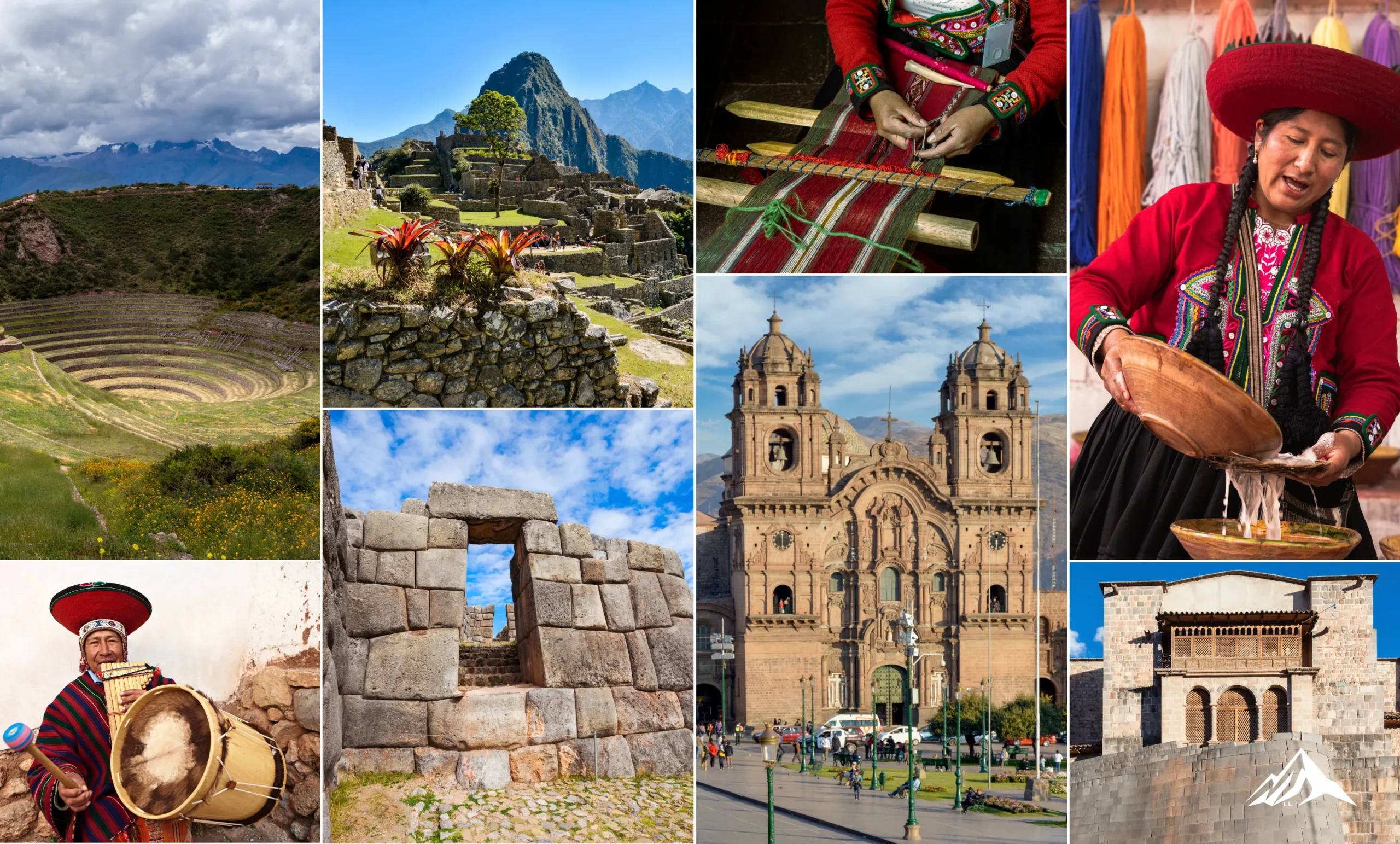
Spend the day discovering the heart of the ancient capital of the Inca Empire through the Cusco City Tour, visiting some of the city’s main archaeological sites and historic temples. The tour includes Qoricancha, the Temple of the Sun, and Saqsayhuamán, famous for its impressive megalithic architecture.
Continue to Qenqo, an ancient ceremonial and ritual center; Puca Pucara, which is believed to have served military control and defense functions; and Tambomachay, an important ceremonial site associated with the worship of water. It is an ideal experience for discovering the history, architecture, and spiritual heritage of Cusco.
If you prefer to explore Cusco at your own pace rather than follow organized programs, you can also discover the city independently and enjoy some of its most representative places:
- Plaza de Armas: The historic heart of Cusco, surrounded by colonial architecture and Inca remains.
- San Blas Neighborhood: Known for its cobblestone streets, artisan workshops, and bohemian atmosphere.
- Historic Streets: Walk along ancient Inca streets and discover stone walls, colonial balconies, and corners filled with history.
- San Pedro Market: An excellent option for experiencing everyday life in Cusco and exploring local products and handicrafts.
Cusco stands out for the coexistence of Inca and colonial architecture, creating one of the most unique urban landscapes in the Andes.
Day 4: Sacred Valley
Continue to the Sacred Valley of the Incas.
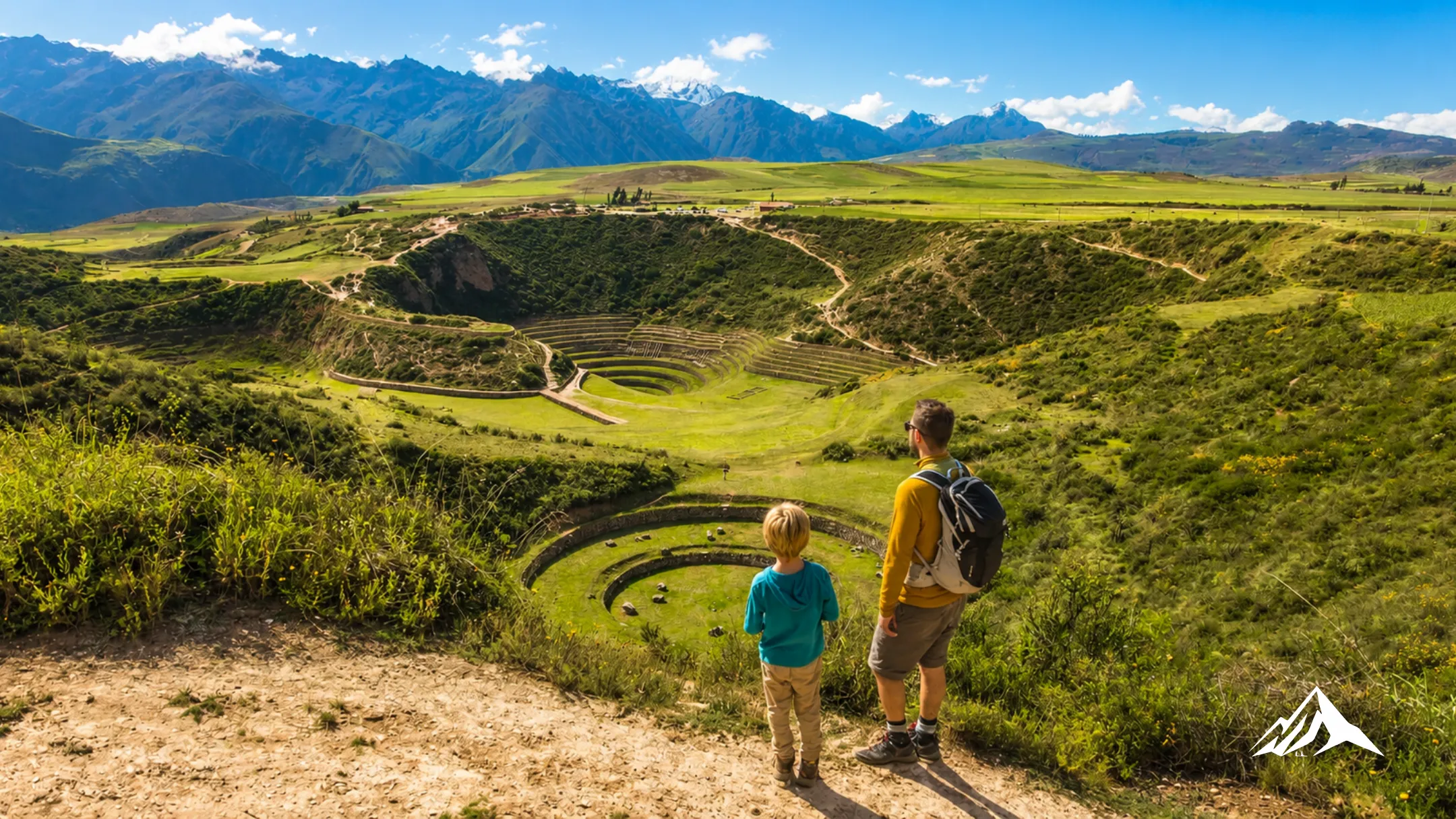
You can visit places such as Pisac and Ollantaytambo, while also adding Moray or Maras depending on the time available.
Here, the journey begins to take on a different dimension: mountains, agricultural terraces, communities, and archaeological remains become part of the same landscape.
Day 5: Machu Picchu
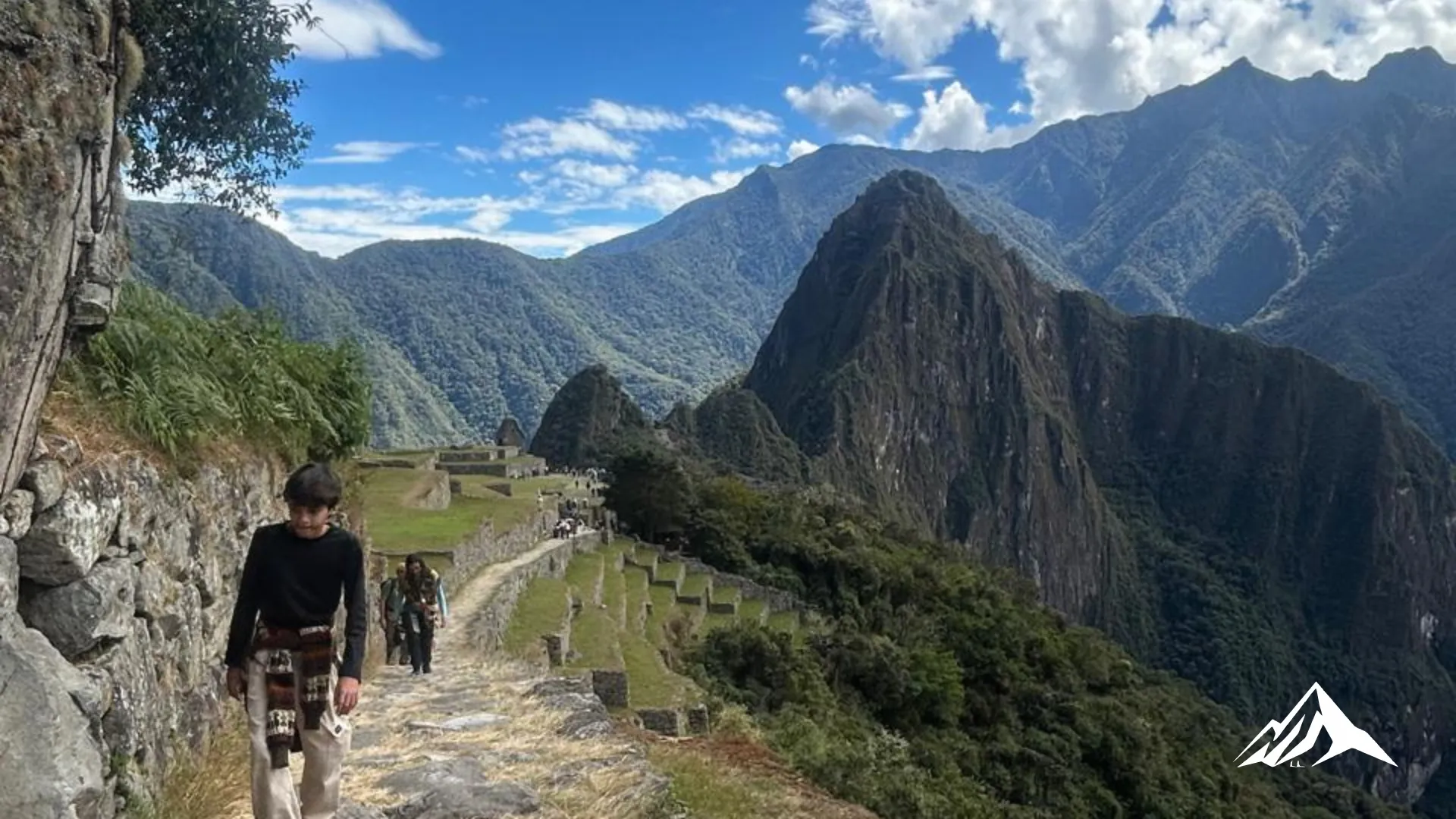
It is time to visit Machu Picchu.
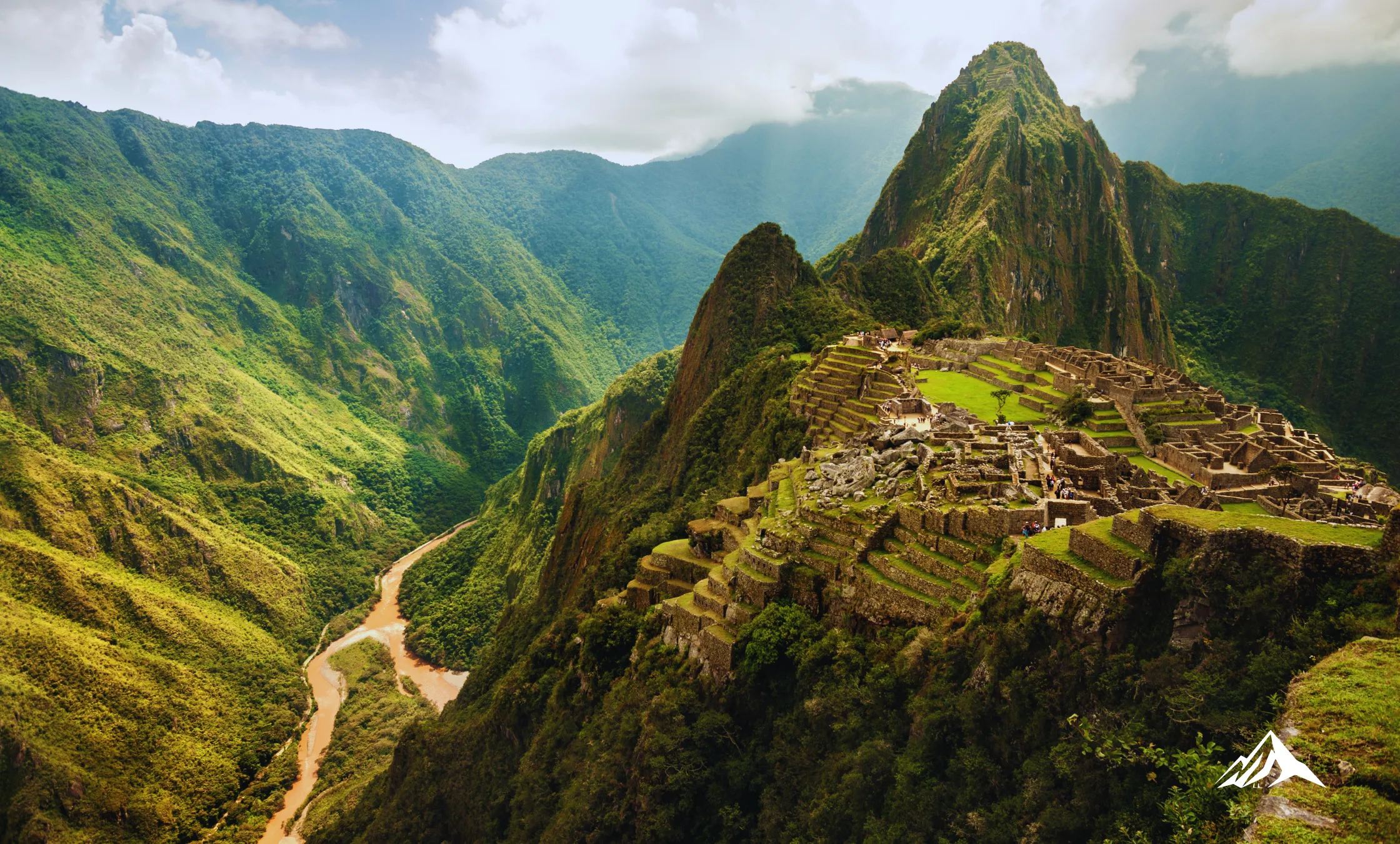
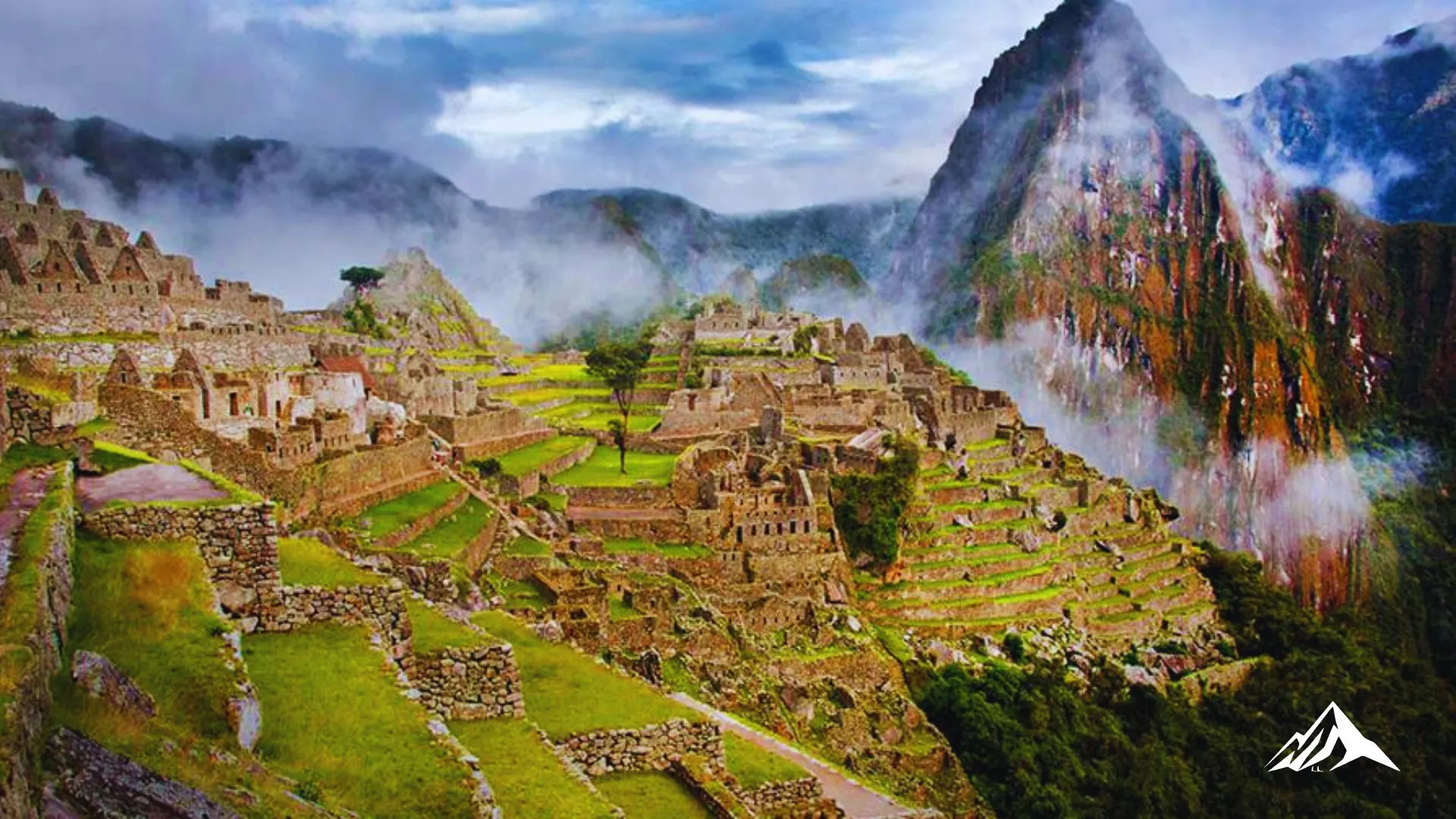
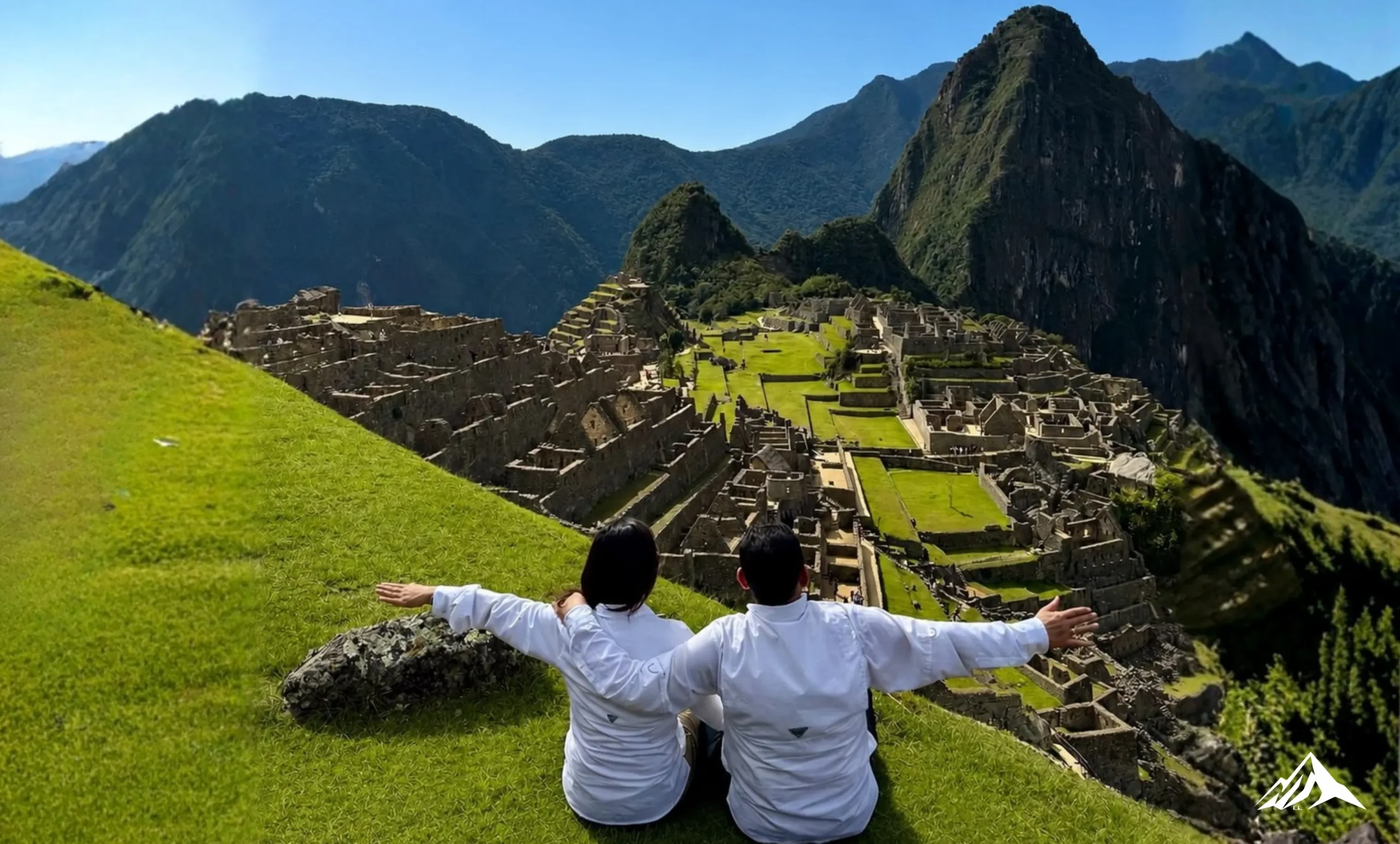
The experience combines the train journey, the Consettur bus ride up to the citadel, and the opportunity to admire a landscape where the mountains and Inca architecture seem to form a single scene.
Some travelers choose to return to Cusco that same day, while others prefer to spend the night in the town of Machu Picchu.
Day 6: High-Altitude Hike
You can use this day to visit a high-altitude destination, such as:
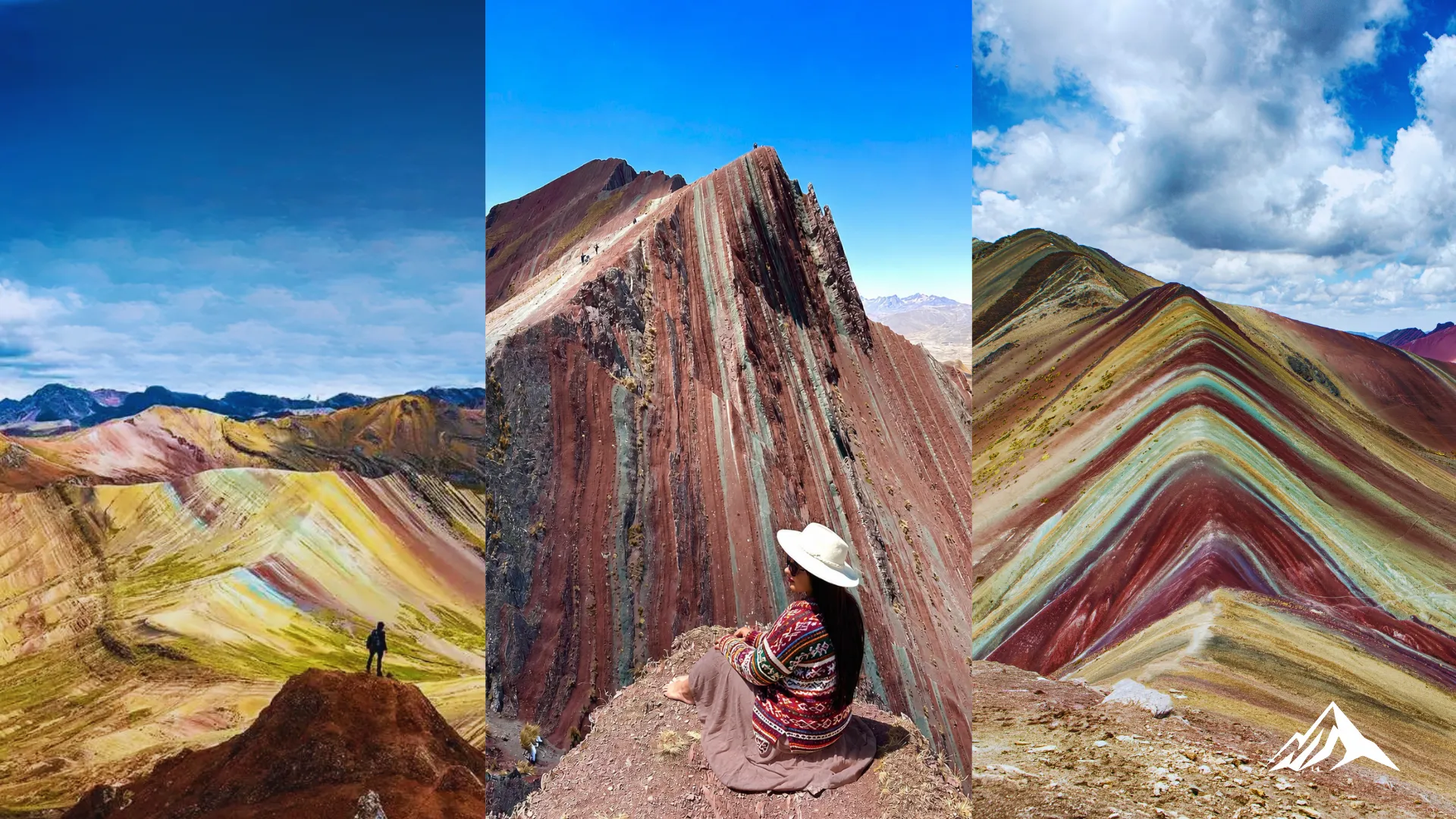
- The Rainbow Mountain Vinicunca or Palcoyo
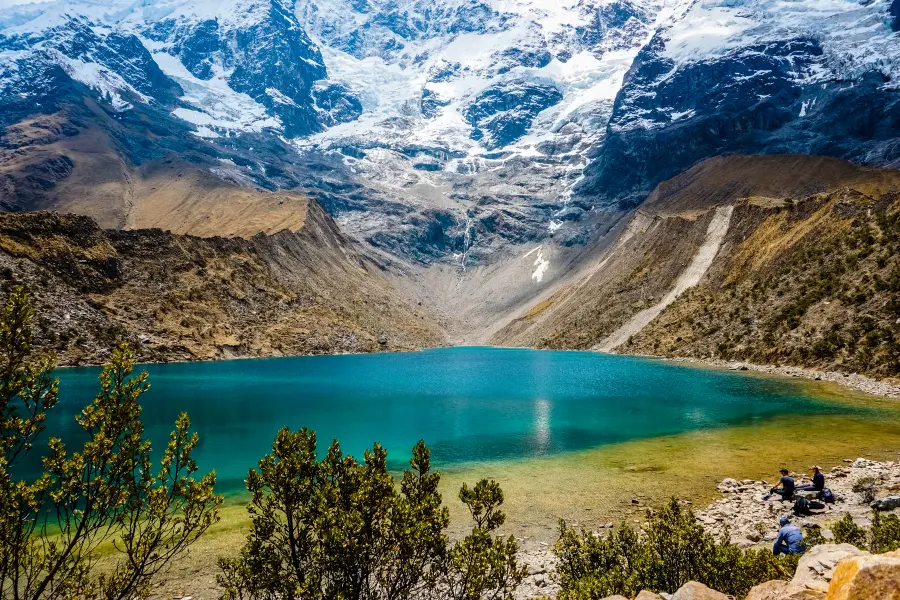
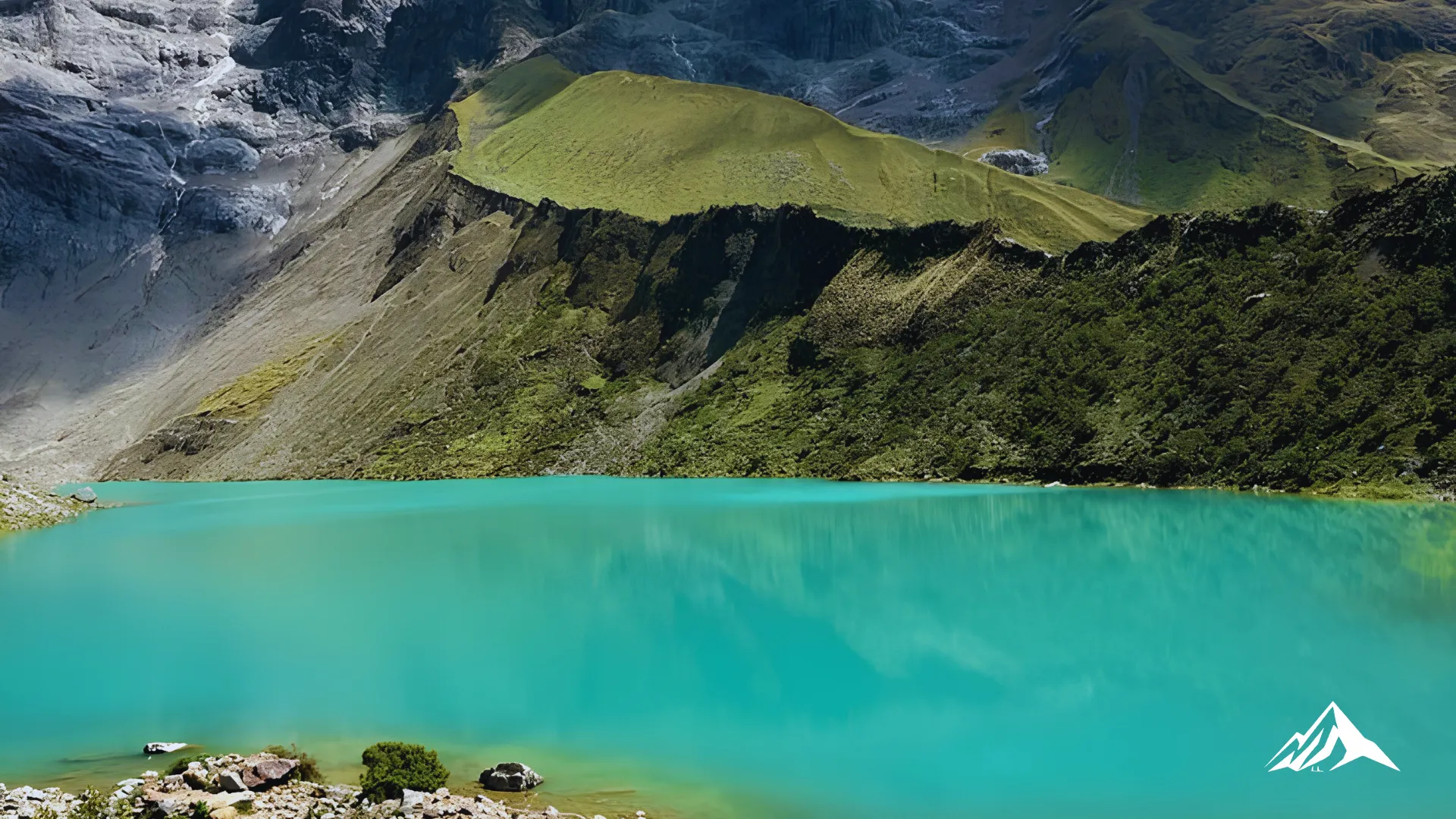
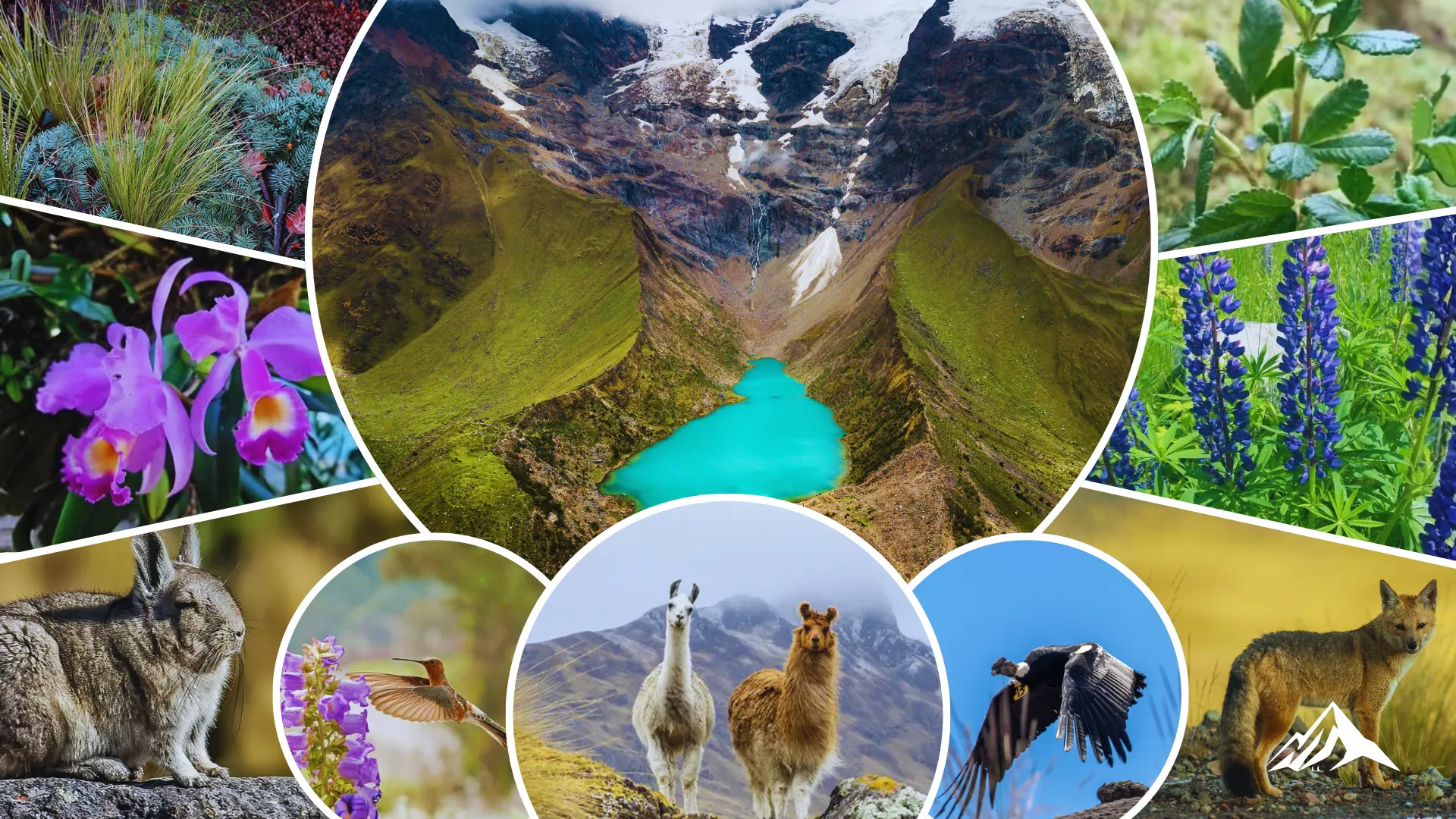
- Humantay Lake
- Seven Lakes of Ausangate
- Waqrapukara
- The Inca Qeswachaka Bridge, among others.
Day 7: Departure
Depending on your schedule, you may have a few additional hours before continuing to Lima or taking your departure flight.
Ideal for: First-time travelers visiting Peru who want to prioritize the country’s main attractions without covering too many destinations.
Peru in 10 Days: The Most Balanced Itinerary
If you are planning to travel through Peru in 10 days, you can complement your itinerary with additional experiences in Cusco according to your interests and travel style. You can add a high-altitude hike, take part in an Andean experience in the Cusco valleys, discover local traditions and communities, or even spend the night in a different type of accommodation, such as a glamping site surrounded by nature.
It all depends on the type of experience you are looking for and how you want to experience your trip. That is why we have prepared several additional options that you can incorporate to personalize your itinerary and make your trip through Peru even more special.
Recommended 10-Day Peru Itinerary
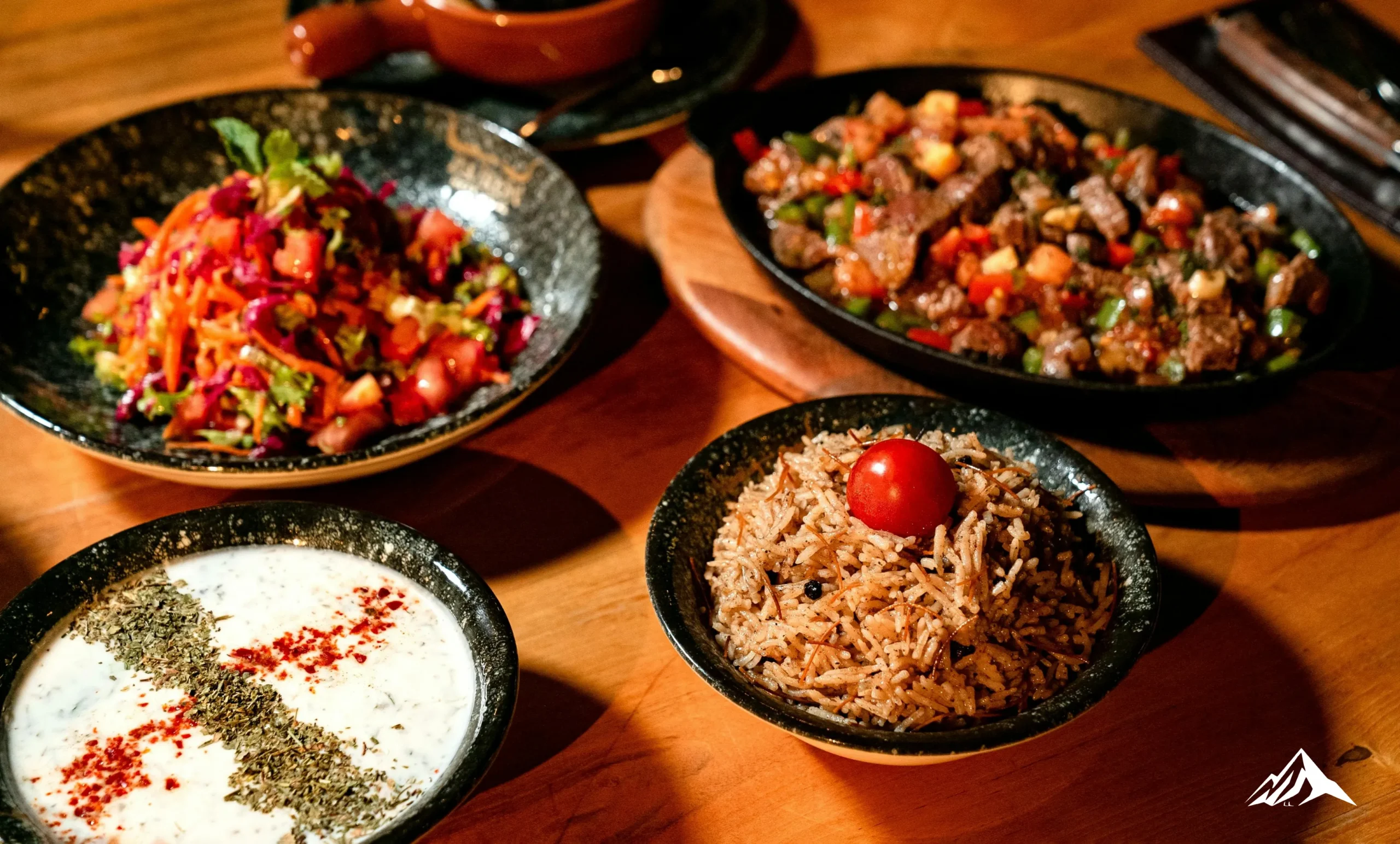
During the first few days, we recommend spending more time in Lima to explore the city in greater depth and enjoy experiences that complement your trip. In addition to taking a traditional tour of its main attractions, you can add a culinary experience, visit some of its most representative neighborhoods, explore museums, discover its historical heritage, or enjoy an experience related to Peruvian cuisine.
Some options you could consider include:
- Lima Cooking Class
- Lima Gastronomic Tour
- Palomino Islands Tour
- Larco Museum and Huaca Pucllana Tour
- Pachacamac Tour
- Magic Water Circuit Tour
You can also choose to repeat the six days proposed in the previous itinerary and use the additional days to explore Lima at a more relaxed pace, without having to fit too many activities into a short period.
If, on the other hand, you want to use these additional days to deepen your experience in the Peruvian Andes, here are some options that you can incorporate and intersperse throughout your itinerary:
- Maras, Moray and Chinchero
- Humantay Lake
- Rainbow Mountain Vinicunca
- Palcoyo Mountain
- Q’eswachaka Bridge
- 7 Lakes of Ausangate
- Andean Picnic
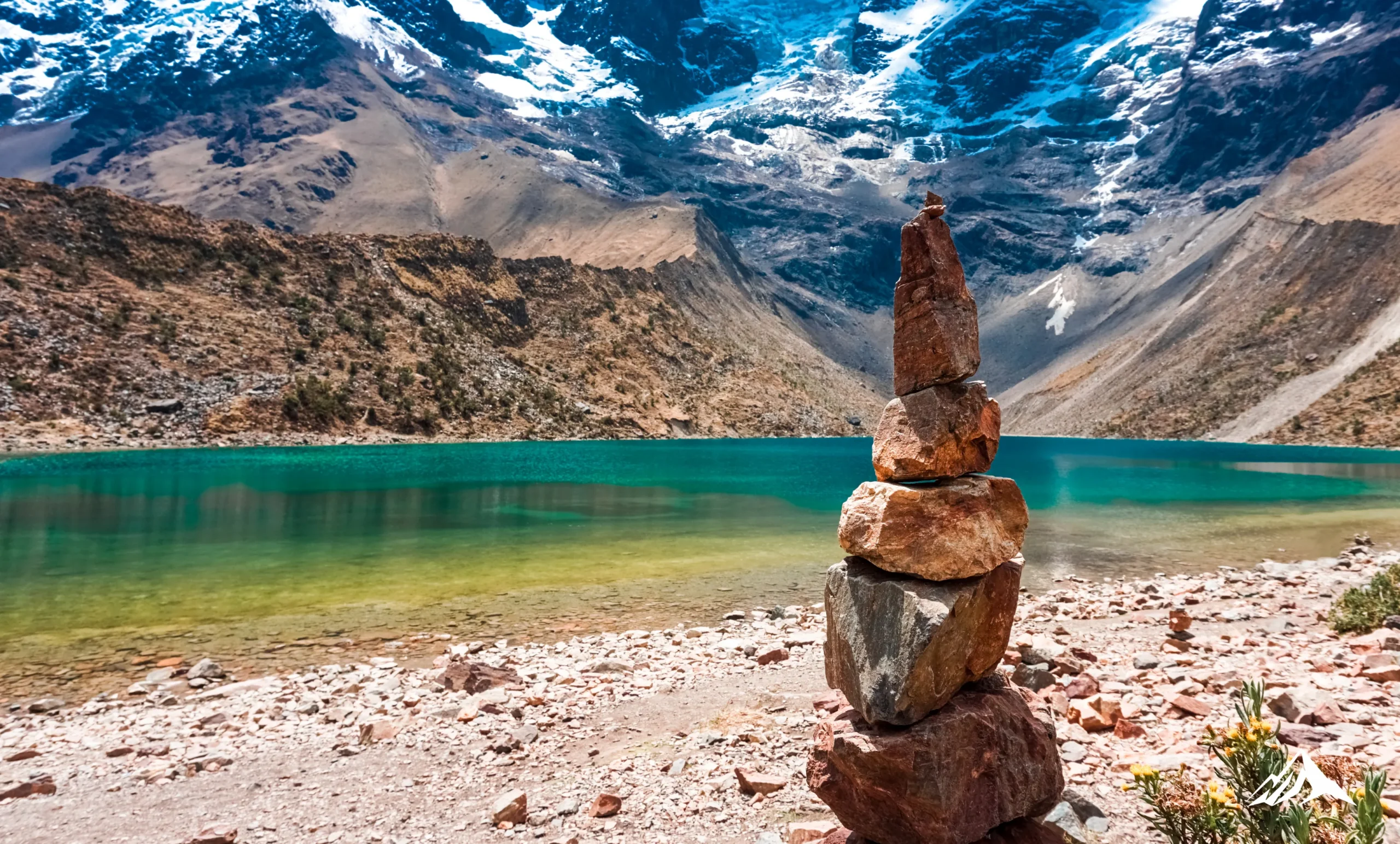
Any of these experiences can be incorporated according to your interests, travel pace, and activity level. This allows you to personalize your 10-day itinerary and discover a more authentic side of Peru, combining gastronomy, culture, landscapes, traditions, and adventure.
Traveler Tip: If you choose to do a high-altitude hike, keep in mind that several of these experiences take place above 4,000 meters above sea level. Acclimatization is essential to enjoy your trip more comfortably.
Ideally, avoid scheduling several demanding hikes on consecutive days and leave a lower-activity day between them. This time will allow your body to adapt and recover before taking on another hike.
Traveling through the Andes is not about rushing from one place to another, but about giving your body the time it needs to adapt and fully enjoy each experience.
Why Choose Peru in 10 Days?
Because it offers a balance of history, culture, gastronomy, the Andes, Machu Picchu, and adventure experiences.
It is also a suitable duration for travelers looking for a 10-day Peru tour or a 10-day Peru package, while still wanting to maintain some flexibility.
Peru in 15 Days: A More Complete Experience
With 15 days in Peru, the possibilities increase considerably.
Instead of focusing only on Cusco and Machu Picchu, you can connect the Pacific coast with the desert, volcanoes, and Andes.
15-Day Peru Itinerary
- Day 1: Lima
- Day 2: City Tour
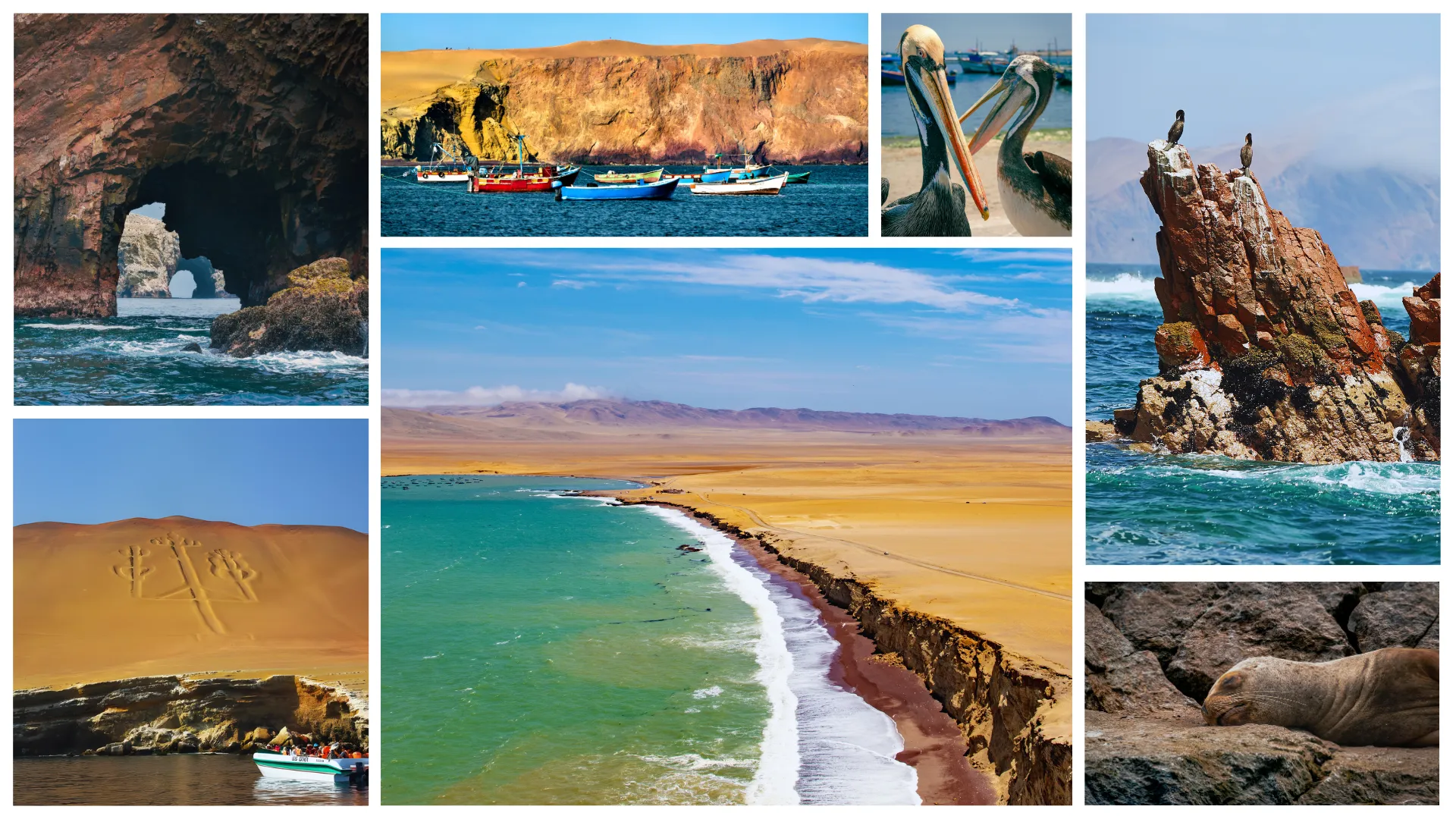
- Day 3: Paracas – Ballestas Islands
- Day 4: Huacachina – Ica
- Day 5: Arequipa (Acclimatization Day)
- Day 6: Arequipa and City Tour
- Day 7: Colca Canyon (Day 1)
- Day 8: Colca Canyon (Day 2) and return to Arequipa
- Day 9: Flight to Cusco
- Day 10: Historic Cusco
- Day 11: Sacred Valley
- Day 12: Machu Picchu
- Day 13: Cusco
- Day 14: Rainbow Mountain or Humantay Lake
- Day 15: Cusco
This route allows you to experience several sides of Peru: coast, desert, volcanoes, canyons, Andes, and Inca culture.
Paracas and Huacachina: The Contrast of the Peruvian Coast
A Paracas–Huacachina itinerary is an excellent option for travelers who want to incorporate nature and adventure.
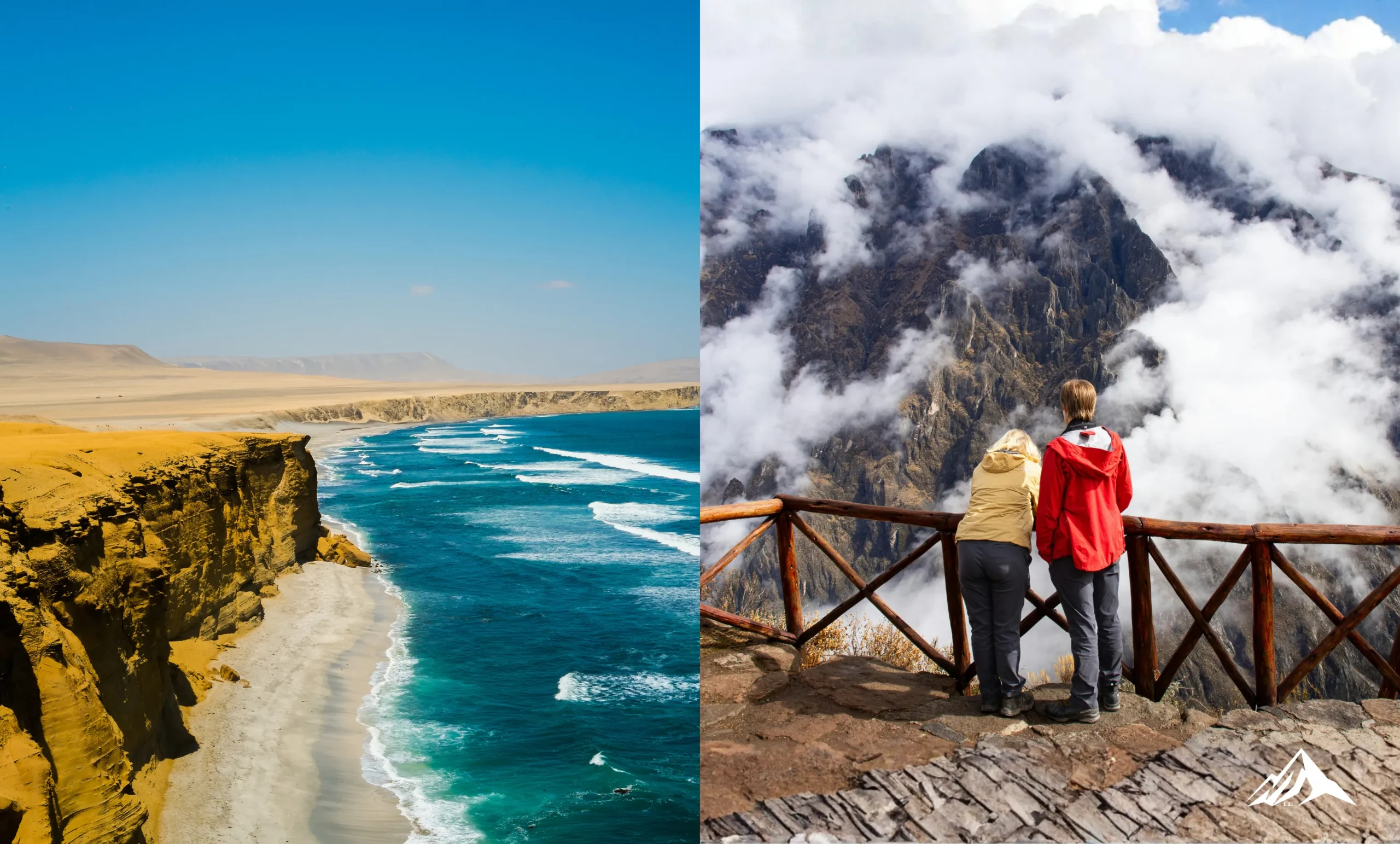
In Paracas, you can sail toward the Ballestas Islands and observe marine wildlife. Then, the landscape changes completely as you arrive in Huacachina, an oasis surrounded by enormous dunes.
It is one of the most striking contrasts on the Peruvian coast: the ocean on one side and the desert on the other.
If you are looking for a more adventurous experience, you can add activities in the dunes and enjoy the desert landscape.
Peru in 2 Weeks: What Should You Visit?
Visiting Peru in two weeks allows you to build a fairly complete route.
For a first trip, you can prioritize:
- Lima: The ideal gateway for discovering the country’s gastronomy and cultural diversity.
- Cusco: The main connection point to Inca history and the Andes.
- Sacred Valley: Mountains, towns, agricultural terraces, and ancient Inca centers.
- Machu Picchu: An essential experience for many travelers.
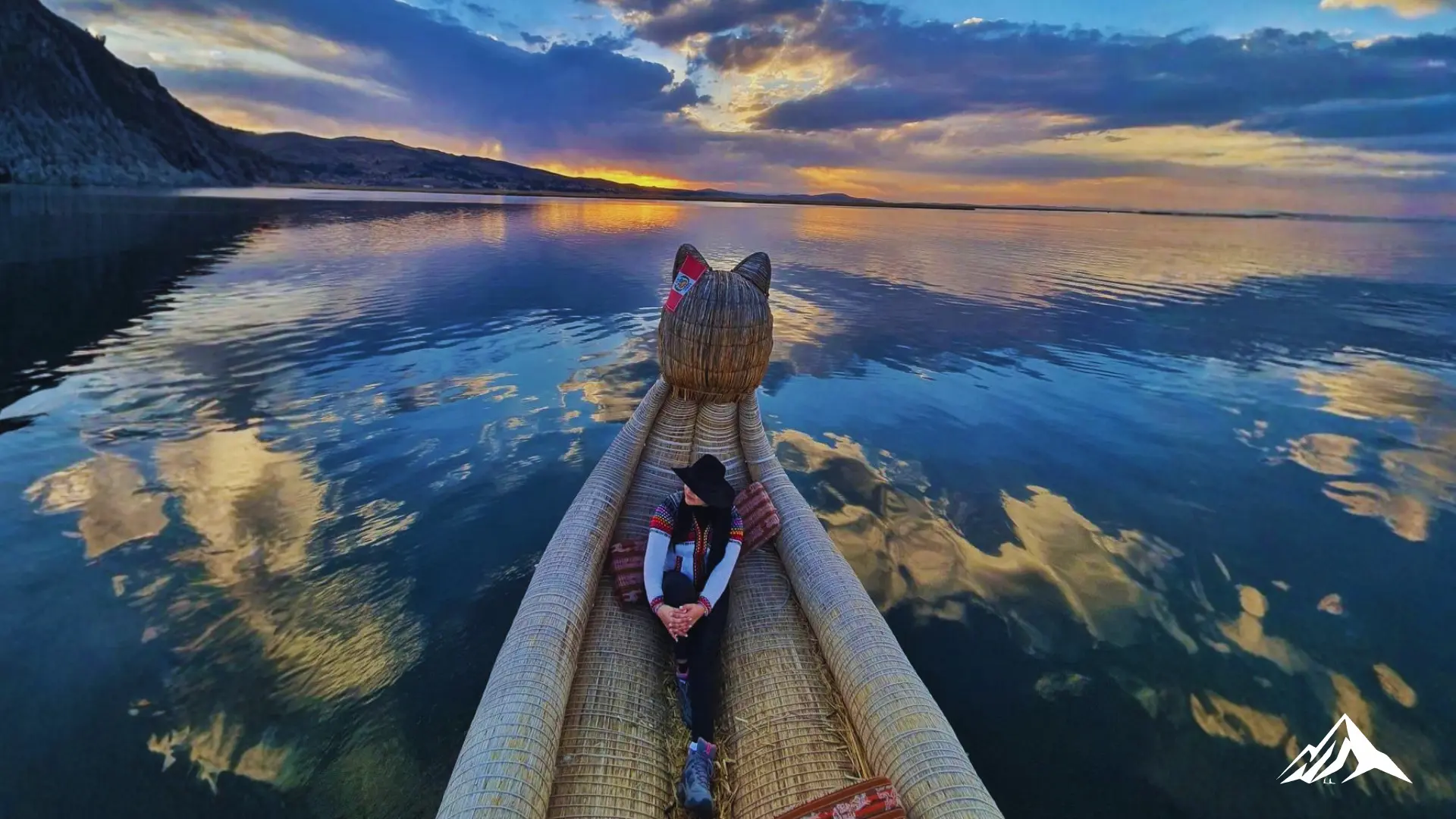
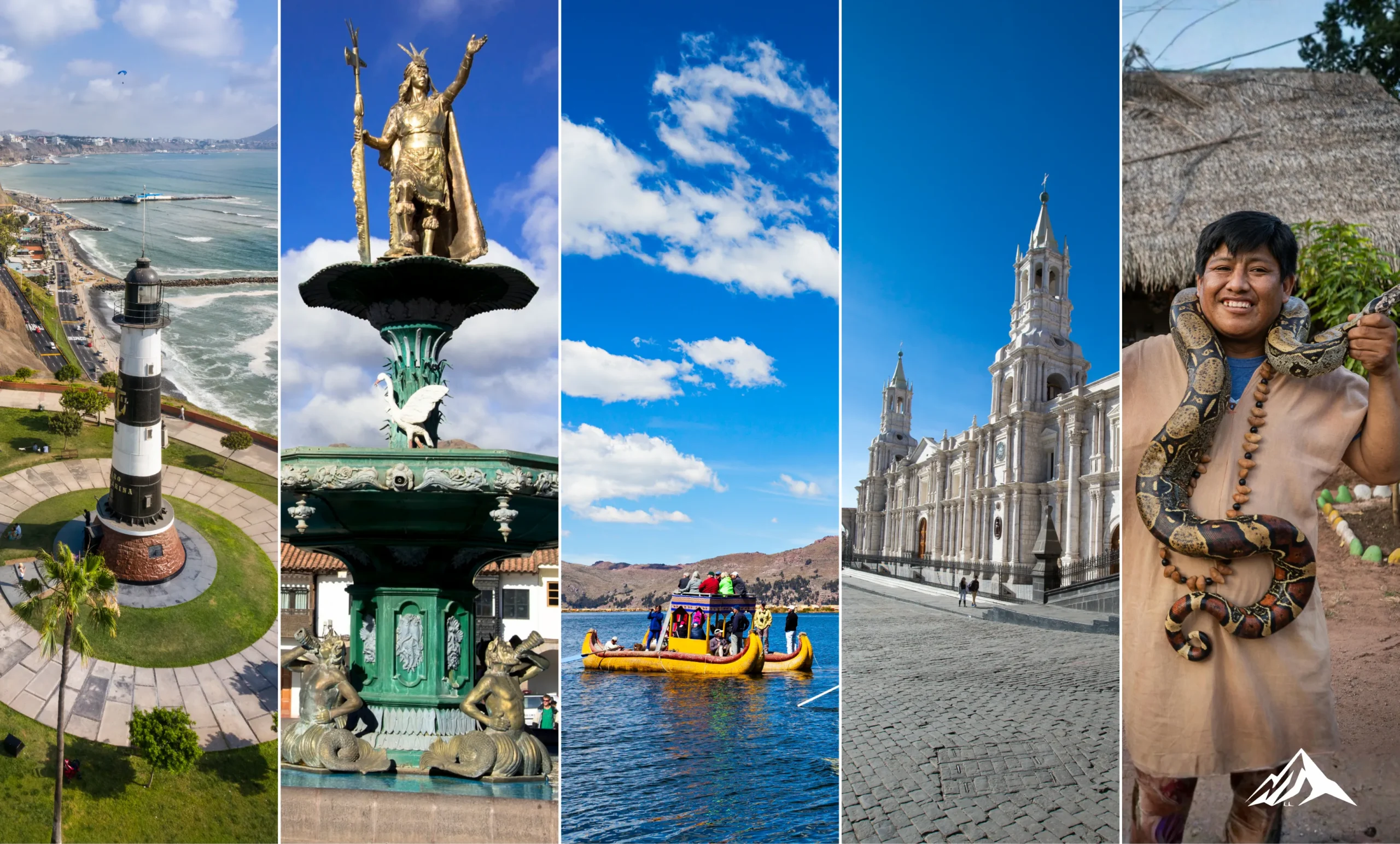
- Puno and Lake Titicaca: An opportunity to discover Andean communities and highland landscapes.
- Arequipa: Famous for Colca Canyon.
- Paracas and Huacachina: An excellent extension for combining marine wildlife, ocean, desert, and adventure.
Peru in 21 Days: The Complete Experience
If you have three weeks, you can design a much deeper route through Peru.
One possible itinerary can connect Lima, Paracas, Huacachina, Arequipa, Colca, Cusco, the Sacred Valley, Machu Picchu, Puno, Lake Titicaca, and the Amazon.
This route allows you to experience the country's great geographical contrasts. Instead of choosing between culture, nature, or adventure, you can combine all three.
Who Is It Ideal For?
A 21-day itinerary is especially interesting for:
- Travelers visiting Peru for the first time who want to explore several regions.
- Couples looking for a more relaxed trip.
- Travelers interested in culture and nature.
- People looking for a personalized trip to Peru.
- Travelers who want to include an Amazon experience.
- Those seeking a luxury trip to Peru with more time to enjoy hotels and experiences.
What to Visit in Peru?
If you still do not know which destinations to include, think of Peru as a country divided into major geographical and cultural experiences.
| Region | Highlights | Experience |
| Coast | Lima, Paracas, Huacachina | Gastronomy, ocean, and desert |
| Andes | Cusco, Sacred Valley, Machu Picchu, Rainbow Mountain Vinicunca, Humantay Lake | History, culture, and adventure |
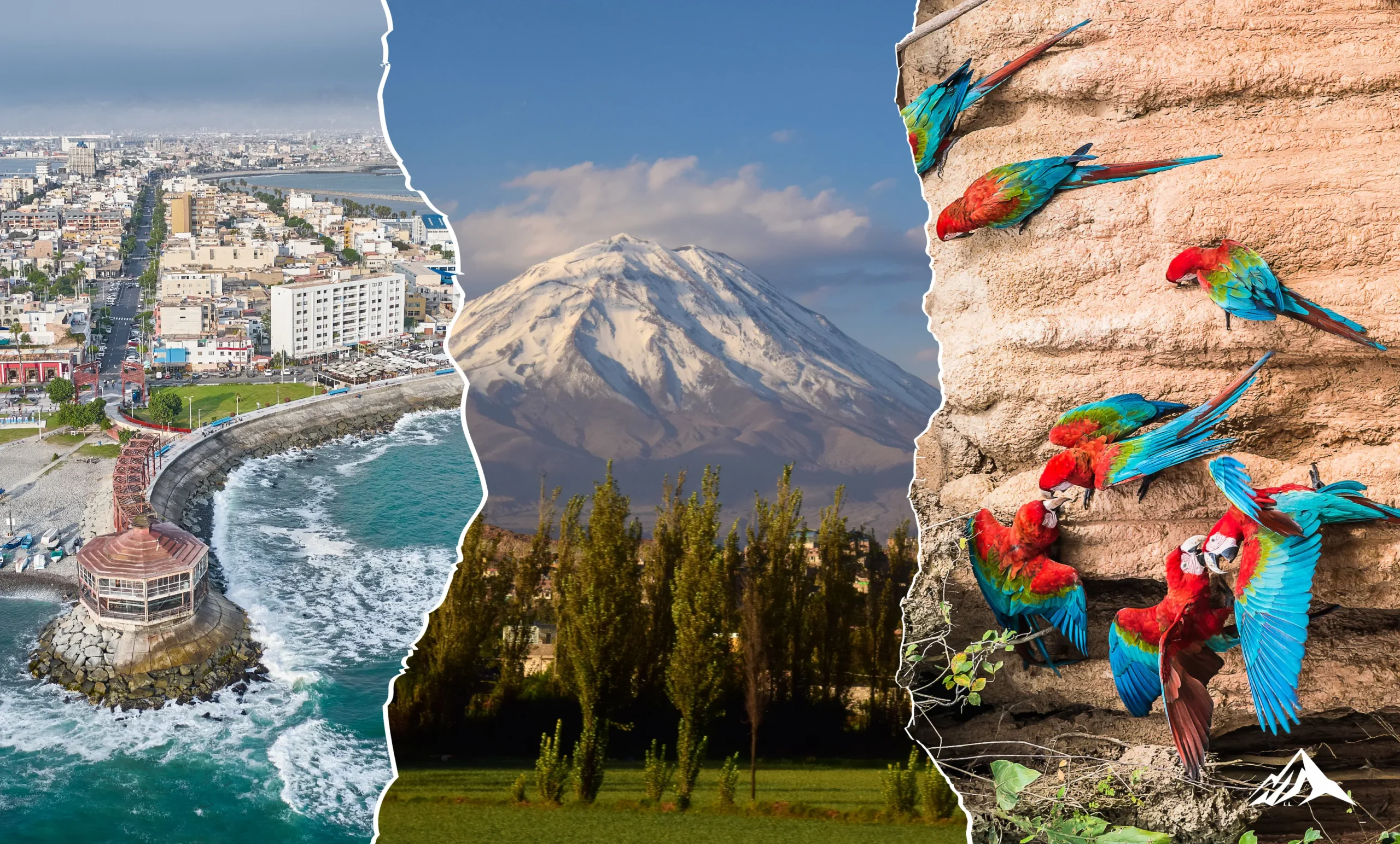
| Southern Andes | Arequipa, Colca | Landscapes and volcanoes |
| Highlands | Puno, Lake Titicaca | Culture and communities |
| Amazonía | Puerto Maldonado, Tambopata | Biodiversity and nature |
This diversity makes it possible to design anything from a classic one-week route to a multi-week journey connecting the coast, Andes, and rainforest.
Culture and Gastronomy: Experiences You Should Not Miss
Traveling through Peru is not only about visiting archaeological sites.
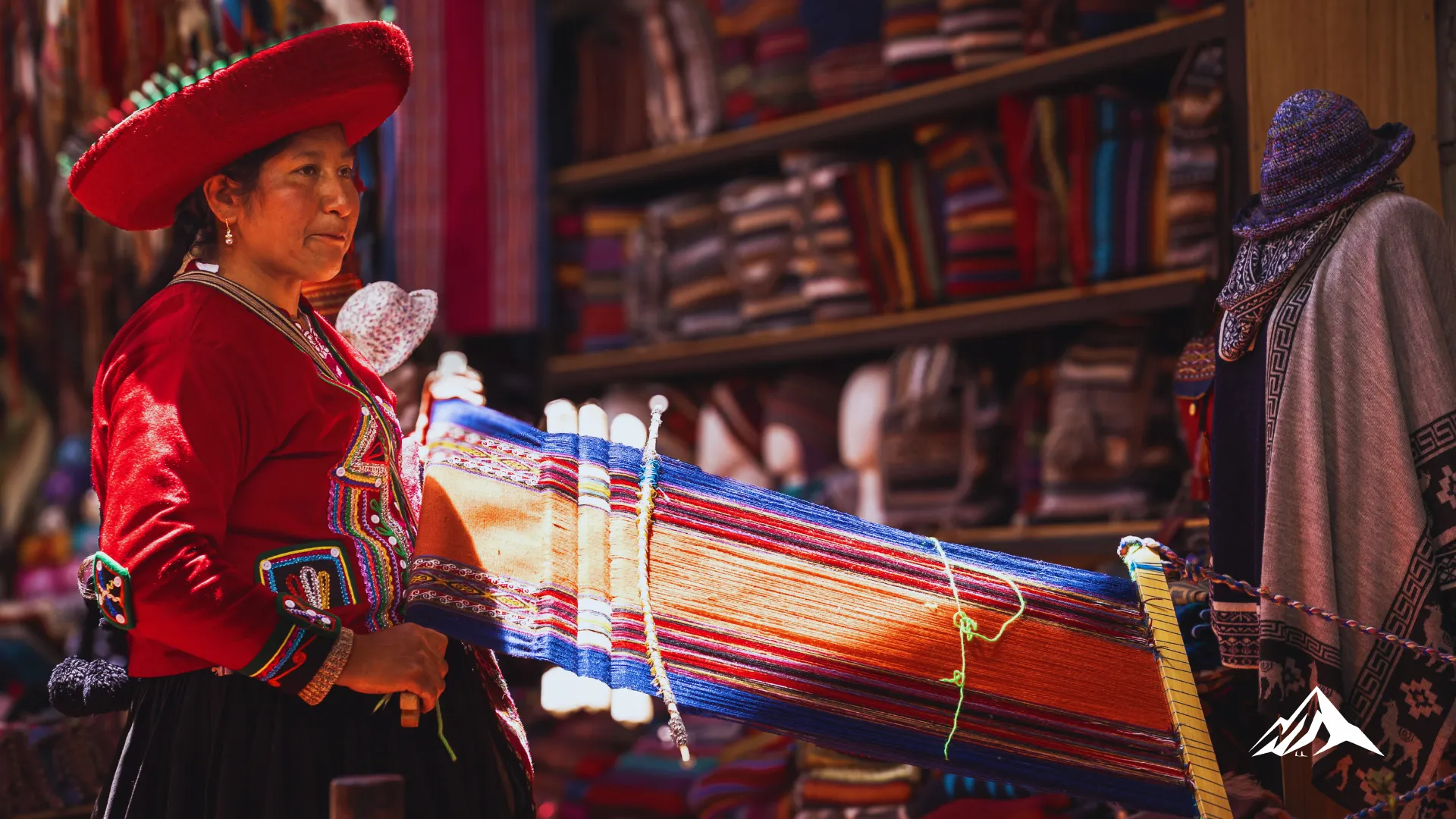
The country's true richness can also be found in its markets, flavors, textiles, communities, festivals, and traditions.
Peruvian cuisine can become an essential part of the itinerary in its own right.
Some Dishes and Products You Can Discover
- Ceviche
- Lomo Saltado
- Ají de Gallina
- Causa
- Anticuchos
- Pachamanca
- Chiri Uchu
- Quinoa
- Andean Corn
- Peruvian Coffee
- Peruvian Chocolate
In the Sacred Valley, you can experience the tradition of Pachamanca, while local markets offer a window into everyday life and the traditional craftsmanship of local communities.
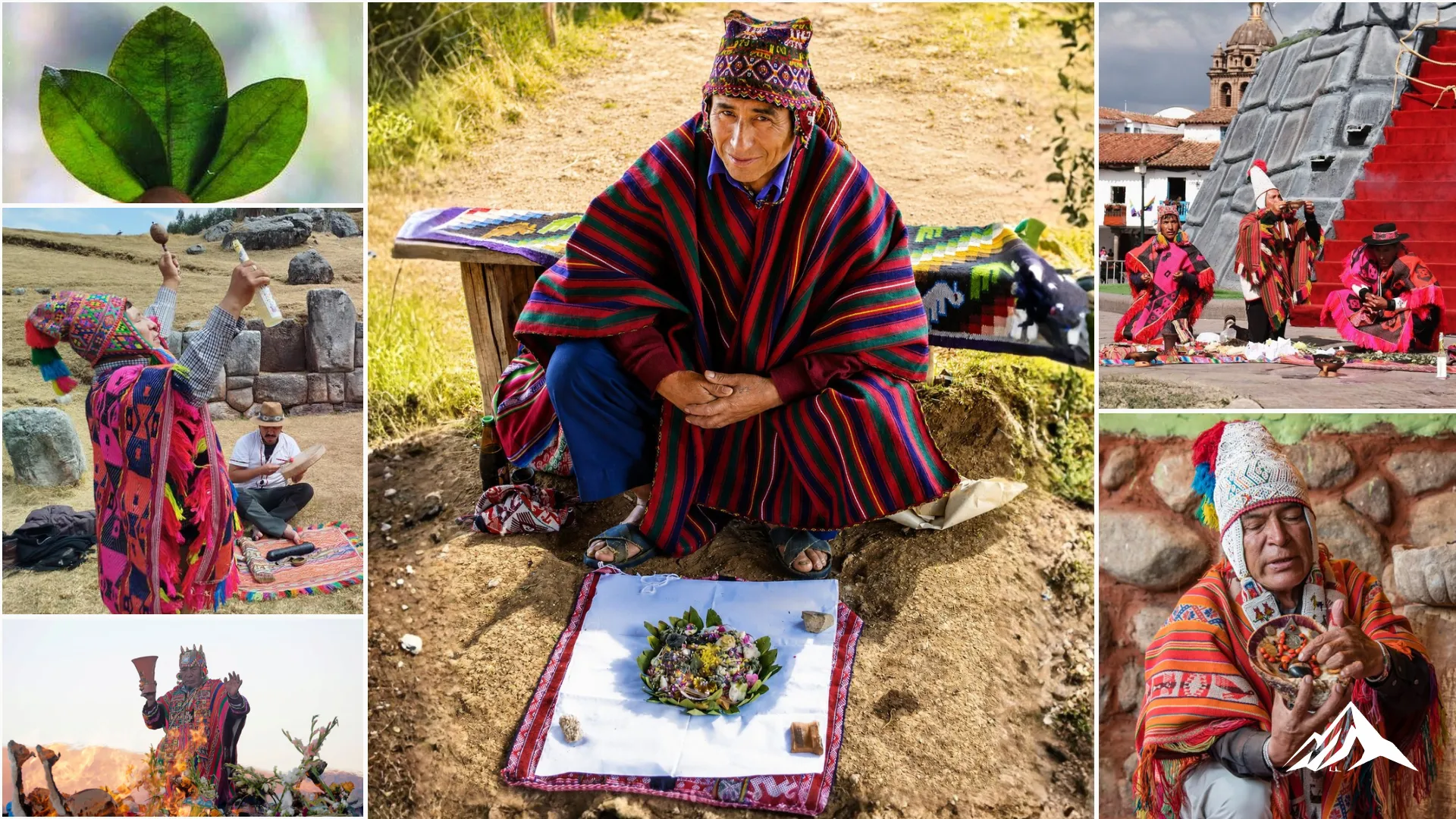
Immersive Tourism
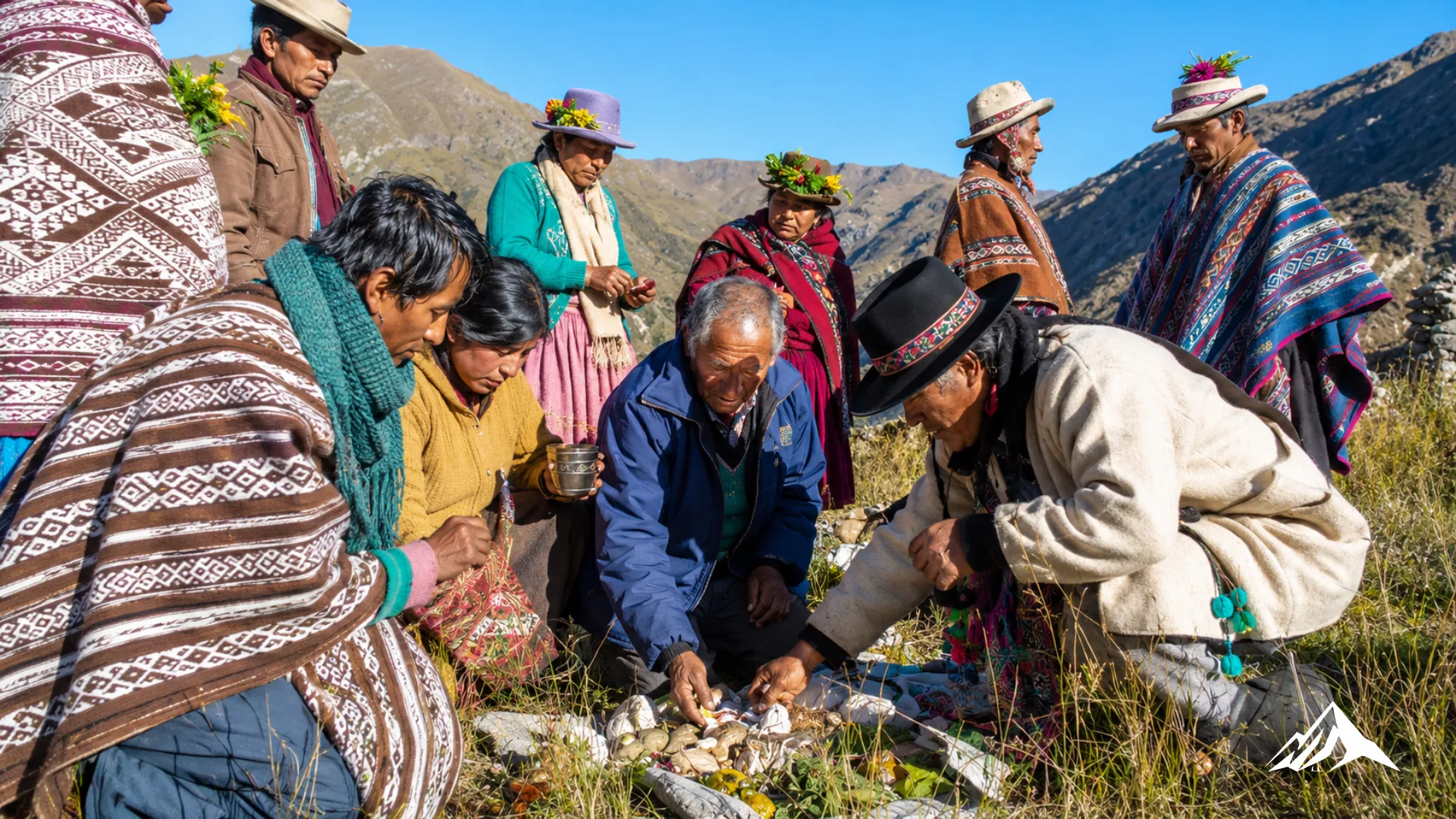
For those looking for something deeper than a conventional visit, incorporating experiences with local communities can add a special dimension to your trip.
You can share a meal, learn textile techniques, discover local products, or learn about traditions that continue to be part of everyday life.
This is especially interesting for a personalized Peru tour or a private trip to Peru.
What Is the Best Route Through Peru According to Your Travel Style?
Not all travelers are looking for the same experience.
| Traveler Type | Recommended Route |
| First Visit | Lima – Cusco – Sacred Valley – Machu Picchu |
| Adventure | Cusco – Humantay – Rainbow Mountain – Machu Picchu |
| Culture | Lima – Cusco – Sacred Valley – Titicaca |
| Nature | Cusco – Machu Picchu – Amazon |
| Couples | Lima – Cusco – Sacred Valley – Machu Picchu |
| Families | Lima – Cusco – Sacred Valley – Machu Picchu |
| Luxury | Lima – Cusco – Sacred Valley – Machu Picchu + private experiences |
| Long Trip | Lima – Arequipa – Puno – Cusco – Amazon |
| Immersive Tourism | Cusco – Amazon communities – Andean homestay – Titicaca |
The key is not to add as many destinations as possible, but to build a route that makes sense.
The best route through Peru is the one that adapts to your time, interests, and travel pace.
Tips for Organizing Your Peru Travel Itinerary
Planning a trip through Peru requires attention to certain details that can make a big difference.
What Is the Best Time to Travel?
Current reference information recommends considering the dry season, especially from May to October, for travel through the Andes and certain nature experiences. However, the weather varies significantly by region, so the ideal time depends on your complete route.
If you are combining the coast, Andes, and Amazon, check the specific conditions in each region before finalizing your itinerary.
What Should You Pack?
The best strategy is to dress in layers.
In Cusco, there can be a significant difference between daytime sunshine and nighttime temperatures. For mountain excursions, good footwear is essential.
We Recommend Bringing:
- Layered clothing
- Jacket
- Windbreaker
- Comfortable footwear
- Trekking shoes
- Sunscreen
- Sunglasses
- Hat or cap
- Small backpack
- Reusable water bottle
- Personal medications
- Portable power bank
How to Travel Around Peru?
For a multi-destination itinerary, domestic flights can help you save considerable travel time, especially when you want to visit different regions of Peru.
In addition, having the support of a travel agent specialized in Peru can make a significant difference. An experienced professional can help you organize the best route, optimize transfer times, and connect destinations efficiently, avoiding unnecessary journeys and wasted travel time.
This way, you can make better use of each day of your trip, spend more time enjoying each destination, and have a much more comfortable and organized experience.
Lima serves as an important gateway, while Cusco, Arequipa, Puno, and other destinations can be connected through different transportation options.
When your trip includes several destinations, private transportation can also be an interesting alternative for reducing waiting times and making connections easier.

How Much Does It Cost to Travel Through Peru?
There is no single budget for traveling through Peru. The cost depends on factors such as:
- Number of days
- Type of accommodation
- Transportation
- Trains
- Entrance tickets
- Guides
- Experiences
- Restaurants
- Number of travelers
- Level of customization
An independent trip will have a different structure from a private Peru tour with exclusive transportation, guides, and selected hotels.
Similarly, a luxury trip to Peru may include boutique hotels, private experiences, and personalized services.
Reference information highlights the variety of accommodation options, from boutique hotels in colonial mansions to immersive ecolodges in the rainforest.
For this reason, when comparing Peru travel packages, do not look only at the price. Check which services are included.
Where to Stay During a Trip to Peru?
Accommodation should be part of your itinerary planning.
- Lima: Miraflores and Barranco are practical options for a first stay.
- Cusco: Staying near the Historic Center makes it easier to access many attractions.
- Sacred Valley: Boutique hotels and properties surrounded by nature can turn accommodation into part of the experience.
- Amazon: Lodges offer an experience directly connected to the natural environment.
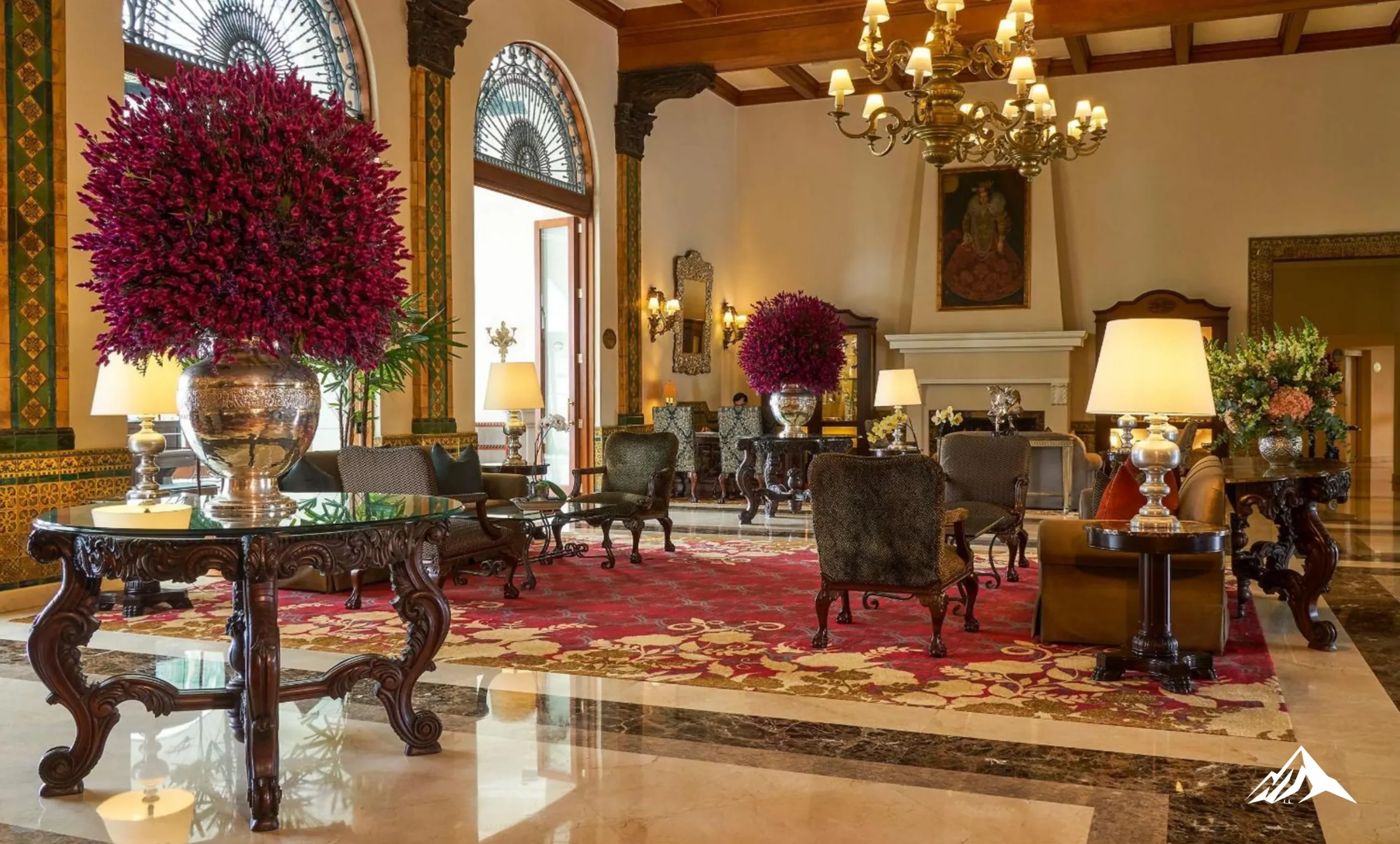
For a premium trip, the combination of boutique hotels + private transportation + exclusive experiences can considerably elevate your level of comfort.
Peru Tour, Travel Package, or Personalized Trip?
The best option depends on the type of traveler.
| Option | Feature | Ideal For |
| Traditional Tour | Pre-organized route | Travelers seeking simplicity |
| Travel Package | Combined services | Those seeking convenience |
| Private Tour | Greater flexibility | Couples, families, and groups |
| Personalized Trip | Custom-designed itinerary | Travelers with specific interests |
| Luxury Trip | Higher level of service | Premium travelers |
A private Peru tour allows you to better adapt schedules and pace.
A personalized trip to Peru can be designed around specific interests such as culture, gastronomy, adventure, nature, or immersive tourism.
A luxury trip to Peru can include selected hotels, private transportation, and exclusive experiences.
Personalized Trip to Peru: Design a Route That Fits You
Not all travelers want to follow exactly the same itinerary. Some people prefer to visit more destinations. Others want to spend more time in Cusco. Some seek adventure, while others prefer gastronomy, culture, wellness, or private experiences.
That is why a personalized Peru tour allows you to adapt your trip to:
- Dates
- Number of days
- Destinations
- Pace
- Hotels
- Transportation
- Activities
- Level of comfort
- Cultural interests
- Culinary experiences
- Adventure
- Immersive tourism
At AndeXperience Travel Agency, our goal is to design private and personalized trips that respond to each traveler's individual needs while carefully coordinating the different elements of the journey.
What Is Really the Best Itinerary for Peru?
The answer depends on you.
- If you have 7 days: Focus your trip on Lima, Cusco, the Sacred Valley, and Machu Picchu.
- If you have 10 days: You can add an adventure, nature, or cultural experience.
- If you have 15 days: You can include Paracas, Huacachina, Arequipa, Colca, or Lake Titicaca.
- If you have 21 days or more: You can create a much deeper experience connecting the coast, Andes, culture, highlands, and Amazon.
It is not about marking the greatest possible number of places on a map; it is about creating a route that makes sense.
Conclusion
Peru is not a destination to rush through from a list. It is a country where you can wake up with the Andes in front of you, walk along ancient Inca streets, discover colorful markets, taste flavors that tell stories, admire landscapes from the mountains, sail across Lake Titicaca, and witness how the Amazon completely transforms the scenery.
- It is the silence of Machu Picchu among the mountains.
- It is the vastness of Colca Canyon.
- It is the Pacific breeze in Paracas.
- It is the desert surrounding Huacachina.
- It is a shared table in the Andes.
And it is also the warmth of the people who keep traditions passed down through generations alive.
Every tour through Peru can be different because every traveler arrives with a story, their own interests, and a unique way of discovering the world.
The truly best route through Peru is not necessarily the one that includes the most destinations, but the one that adapts to your time, interests, and the way you want to travel.
At AndeXperience Travel Agency, we design private trips, personalized tours, and Peru travel packages adapted to your dates, interests, pace, and travel style.
Discover authentic Peru and start designing an experience that is truly your own.
Book your next adventure and experience Peru beyond the places that appear on the map.
Related blog