
Andean Ceremonies: A Complete Guide to Sacred Rituals and Ancestral Healing
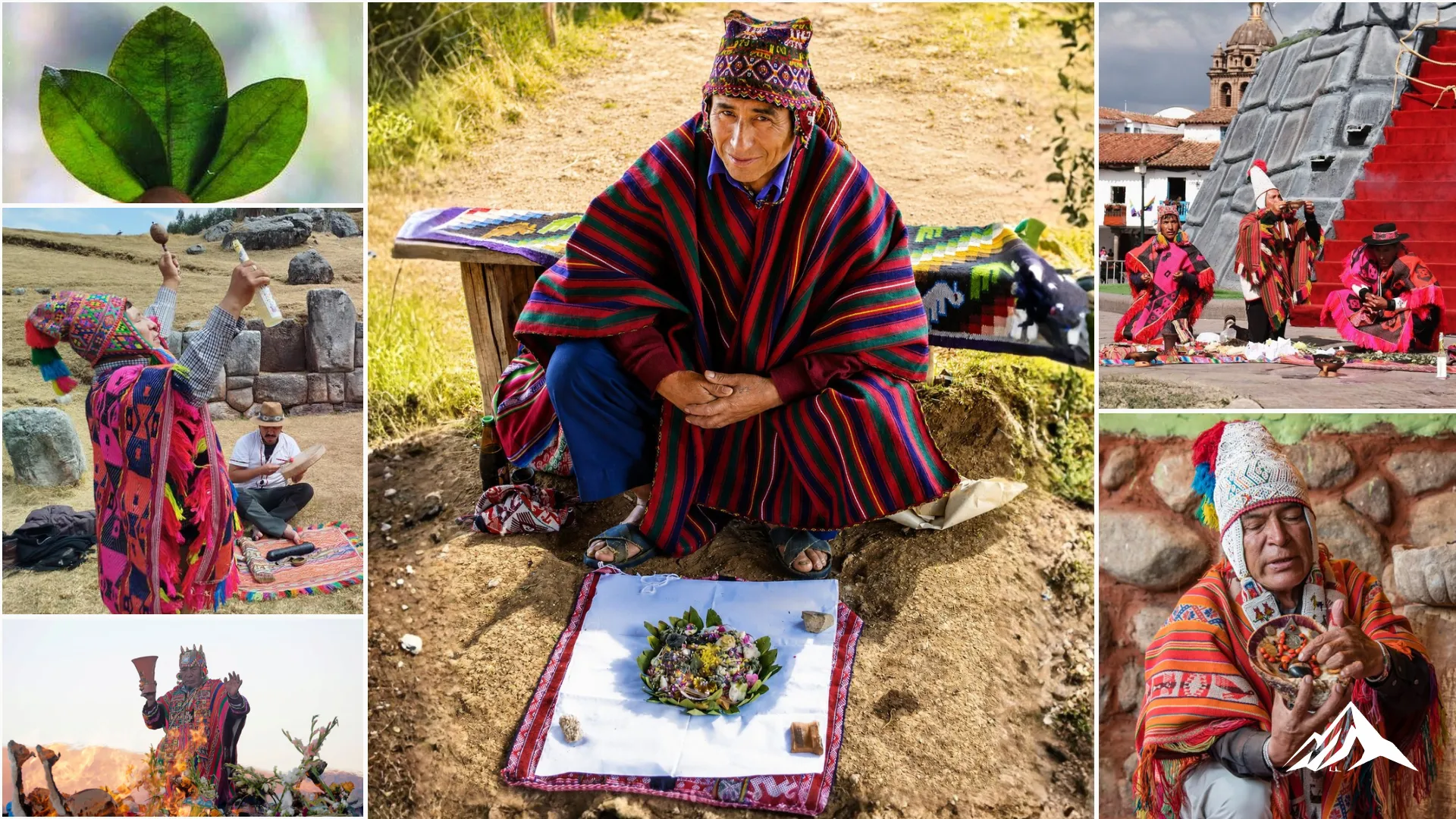
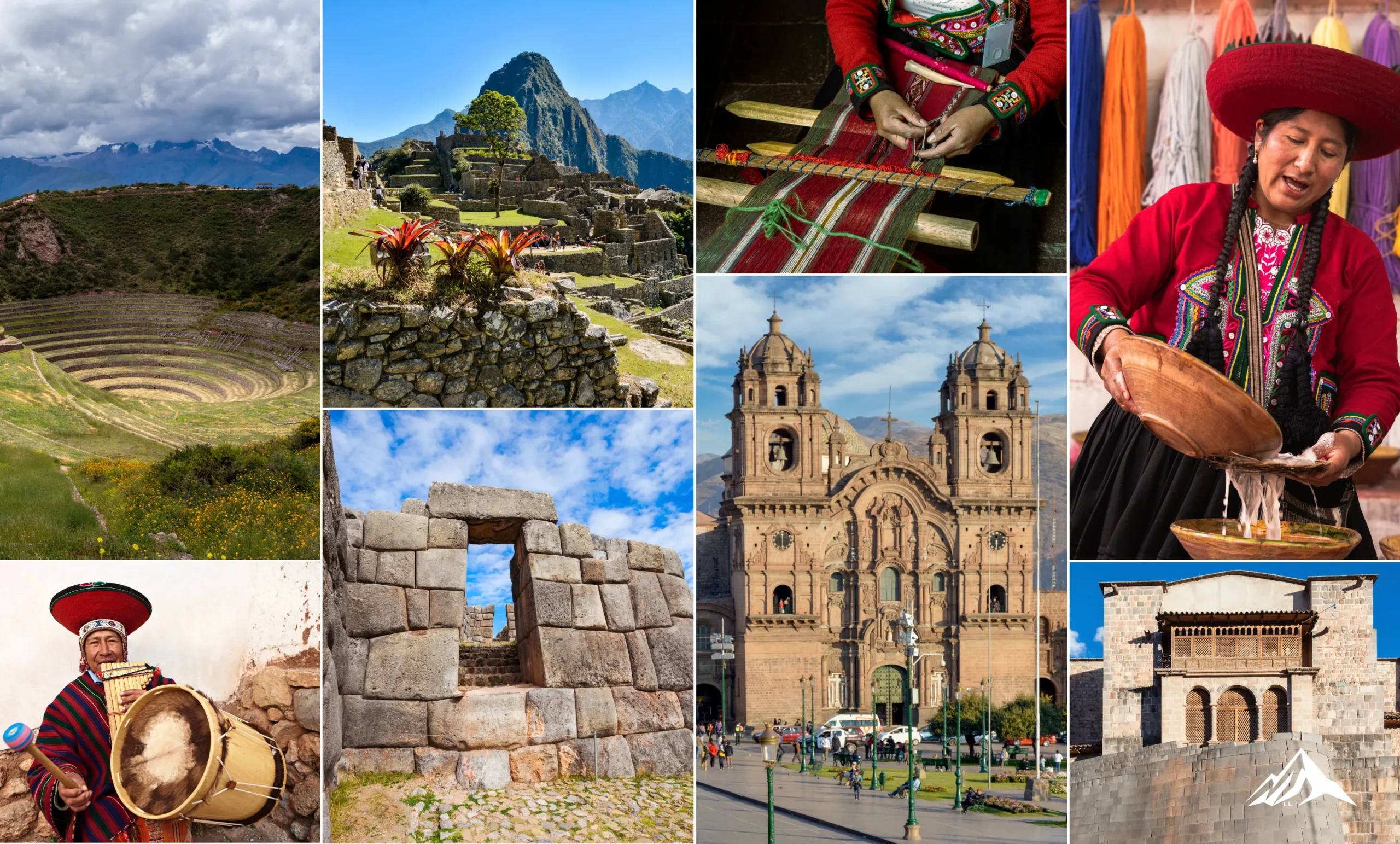
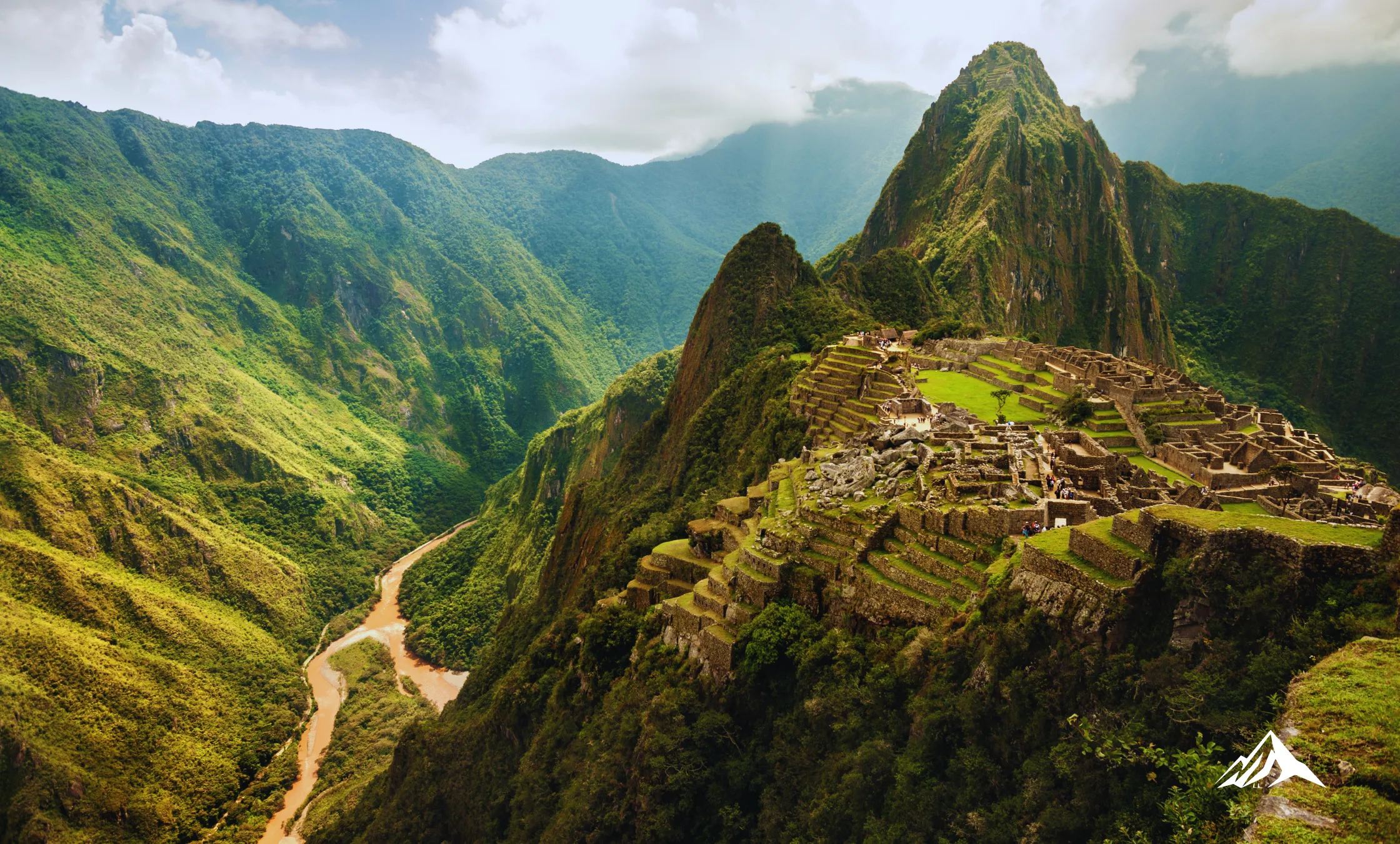
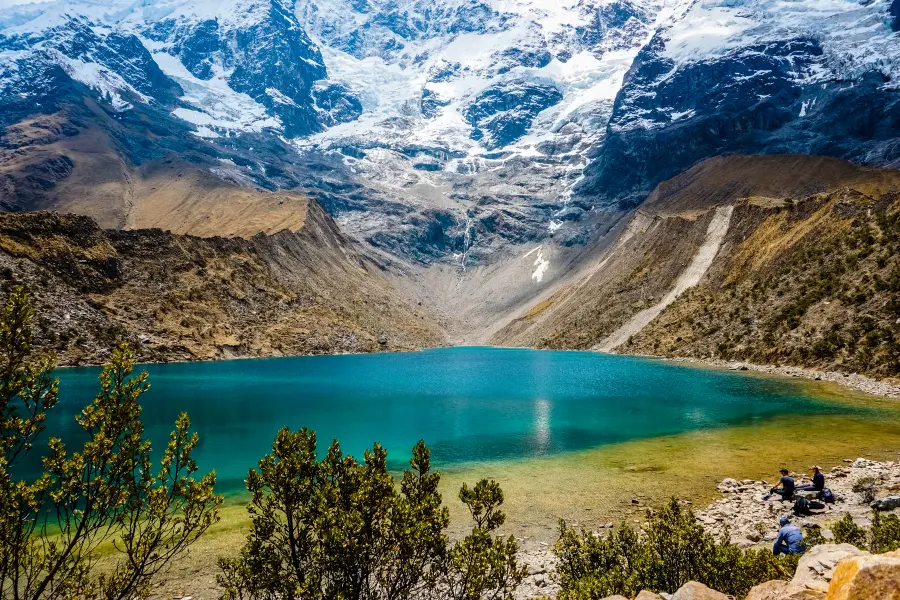
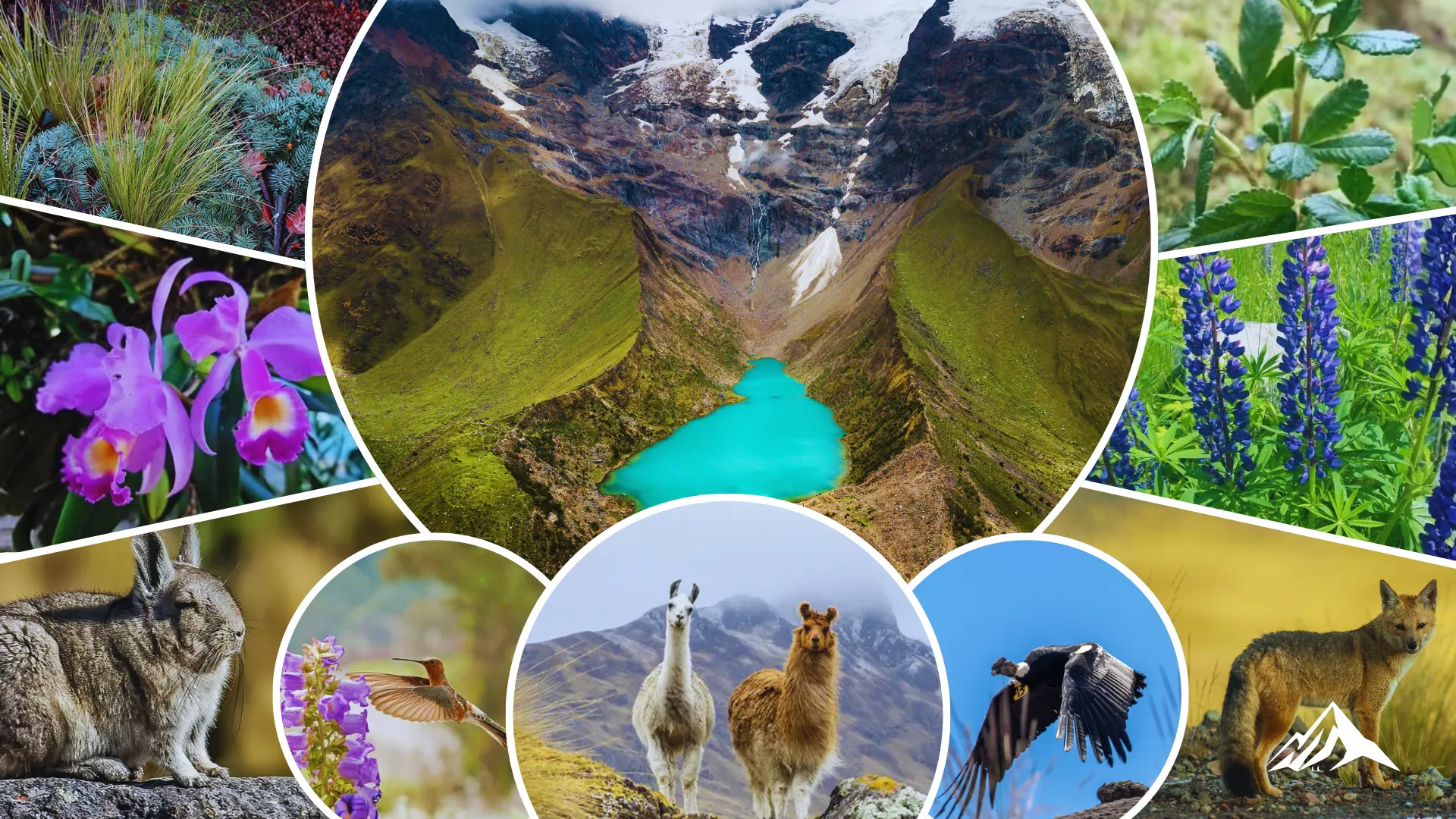
In the heart of the Andes Mountains, where towering peaks rise above clouds and glaciers, a spiritual tradition has endured through the centuries. Beyond their breathtaking natural beauty and the remains of ancient civilizations, the Peruvian Andes are a sacred place for Andean communities. Every mountain is regarded as an Apu (a sacred Andean deity), a protective spirit that watches over life, nature, and the balance between people and Pachamama (Mother Earth). Traveling through these landscapes means immersing yourself in a living culture, where ancestral beliefs continue to play an essential role in everyday life.
Today, travelers seeking authentic experiences discover that spiritual tourism in Peru offers a unique way to connect with the Andean legacy. These ancestral ceremonies invite visitors to experience the Inca worldview, honor Mother Earth, and embrace moments of reflection, renewal, and harmony. Whether participating in a Pago a la Tierra (Offering to Pachamama), a gratitude ceremony, an energy cleansing with sacred plants, or a ritual guided by Andean spiritual masters, each experience creates a meaningful connection between nature, spirituality, and the wisdom passed down through generations. In this guide, you will discover the meaning behind the most important Andean rituals and learn how they remain an integral part of one of Peru's most fascinating cultural traditions.
The Soul of the Andes: Andean Cosmology for Beginners
To understand Andean rituals, it is essential to first understand Andean cosmology and the sacred geometry of the Incas. Long before the Incas built their monumental stone cities, the foundation of Andean life was rooted in the concept of Ayni, the sacred law of reciprocity. It is the belief that we are in a constant and living dialogue with the Earth, which is not a resource to be exploited, but a living mother that breathes and sustains all life.
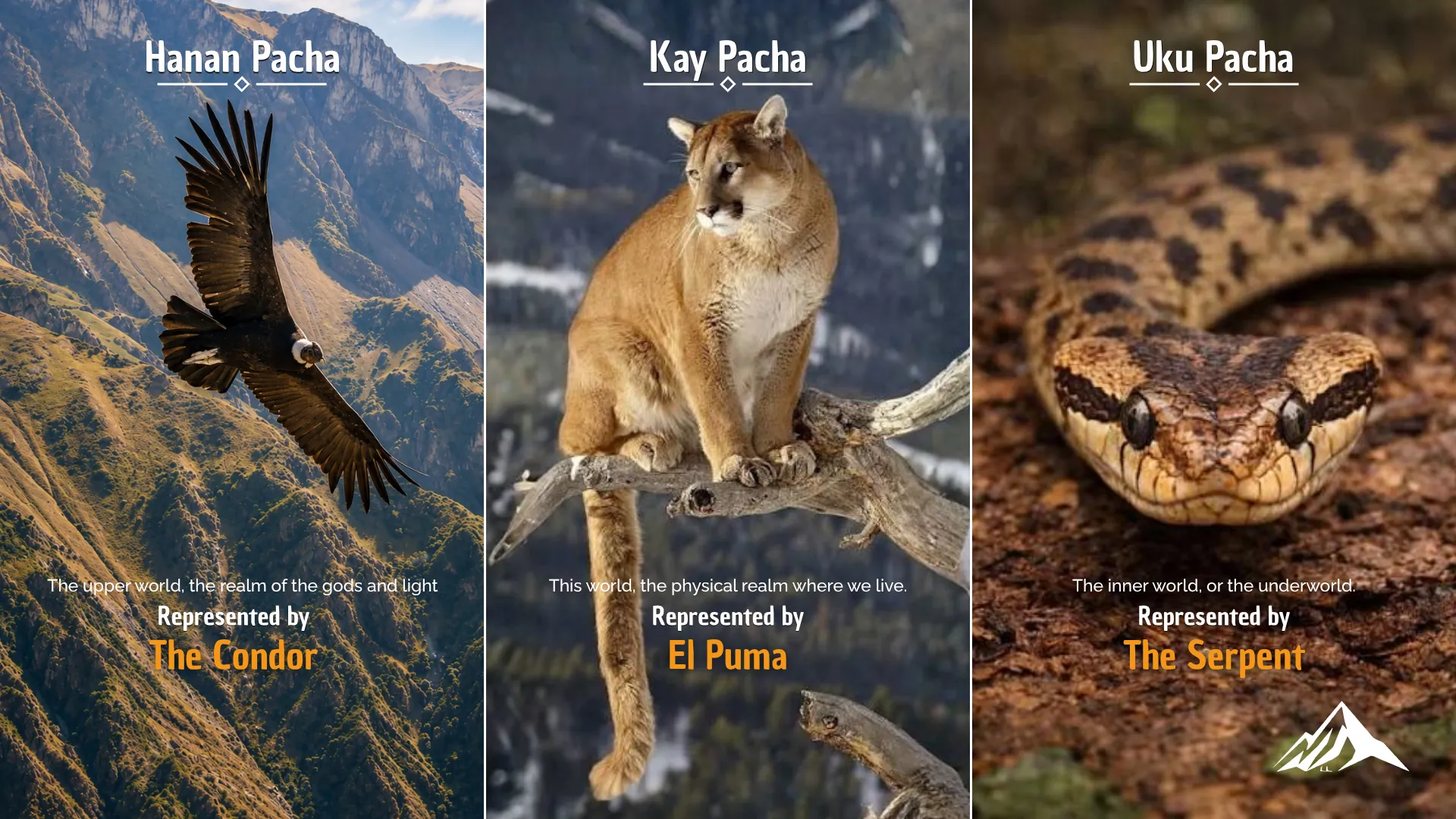
The universe is divided into three realms, visually represented by the Chakana (the Andean Cross):
- Hanan Pacha: The upper world, the realm of the gods and light. It is represented by the Condor.
- Kay Pacha: This world, the physical realm in which we live. It is represented by the Puma.
- Uku Pacha: The inner or underworld. It is represented by the Serpent.
The spiritual meaning of the Condor is especially important, as it is believed to be the messenger that carries our prayers from the physical world to the heavens. By participating in Andean ceremonies, you are not merely an observer; you become part of this cosmic balance, helping guide the world toward Pachakuti, an era of profound transformation and the return to light.
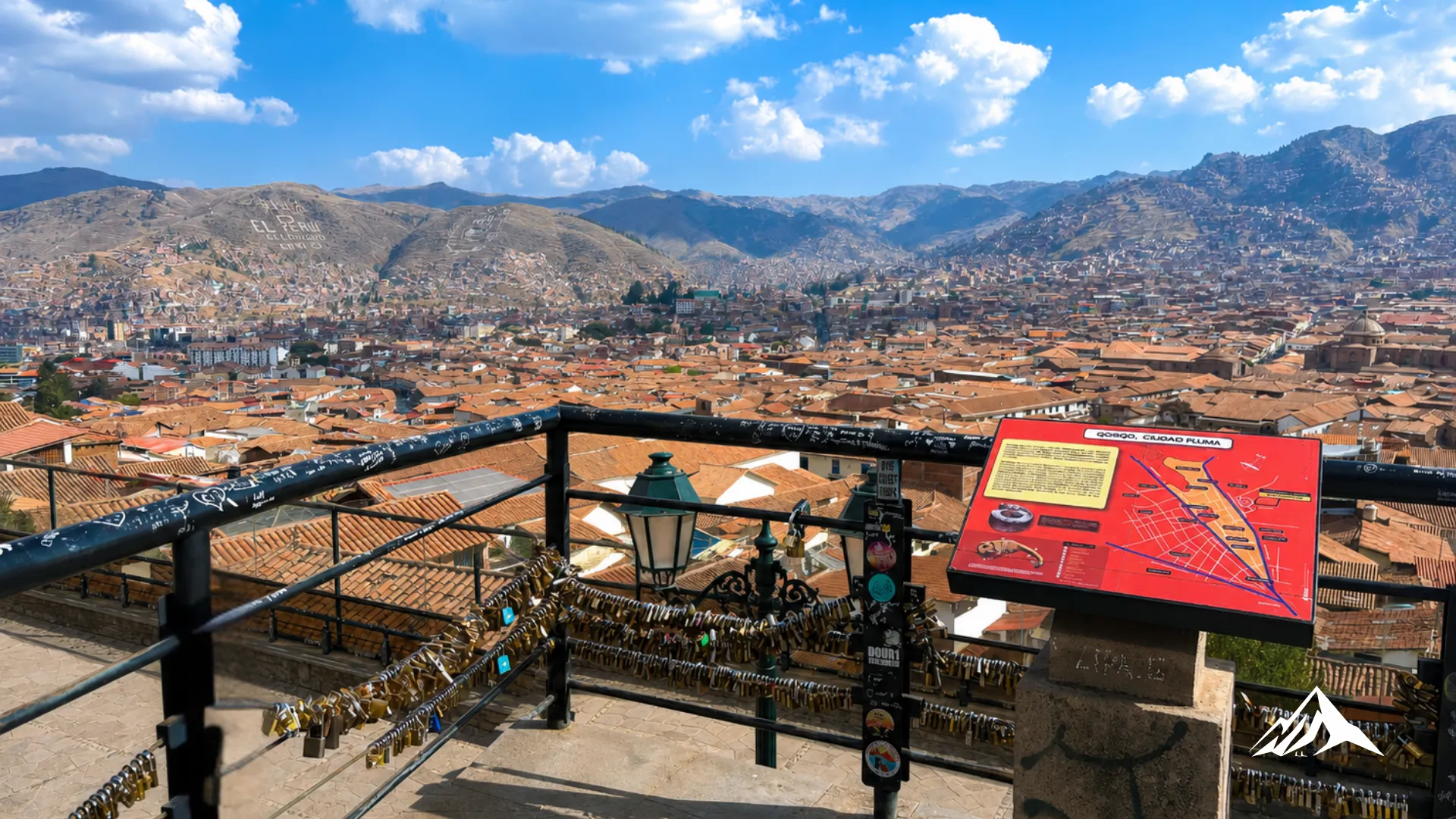
Traveler's Tip: Look for the Chakana symbol on the stone walls of Cusco and Pisac. It is much more than a decorative motif—it is a map of the Andean soul.
Guardians of Wisdom: Q'ero Shamans and Paqos
Many travelers ask about the difference between an Andean healer and a shaman. In Peru, the preferred and most respectful term is Paqo. These rituals are traditionally guided by the Q'ero shamans of Cusco, a community that lived in isolation for centuries in order to preserve the pure lineage of the Incas.
These masters, considered the true guardians of ancient Andean wisdom (Q'ero wisdom keepers), act as intermediaries between the human world and the sacred forces of nature. Among other practices, they offer Munay-Ki initiations, a series of nine empowerment rites based on the shamanic traditions of the Andes that transform a person's energetic field.
Honoring Mother Earth: Meaning of the Pachamama Ritual
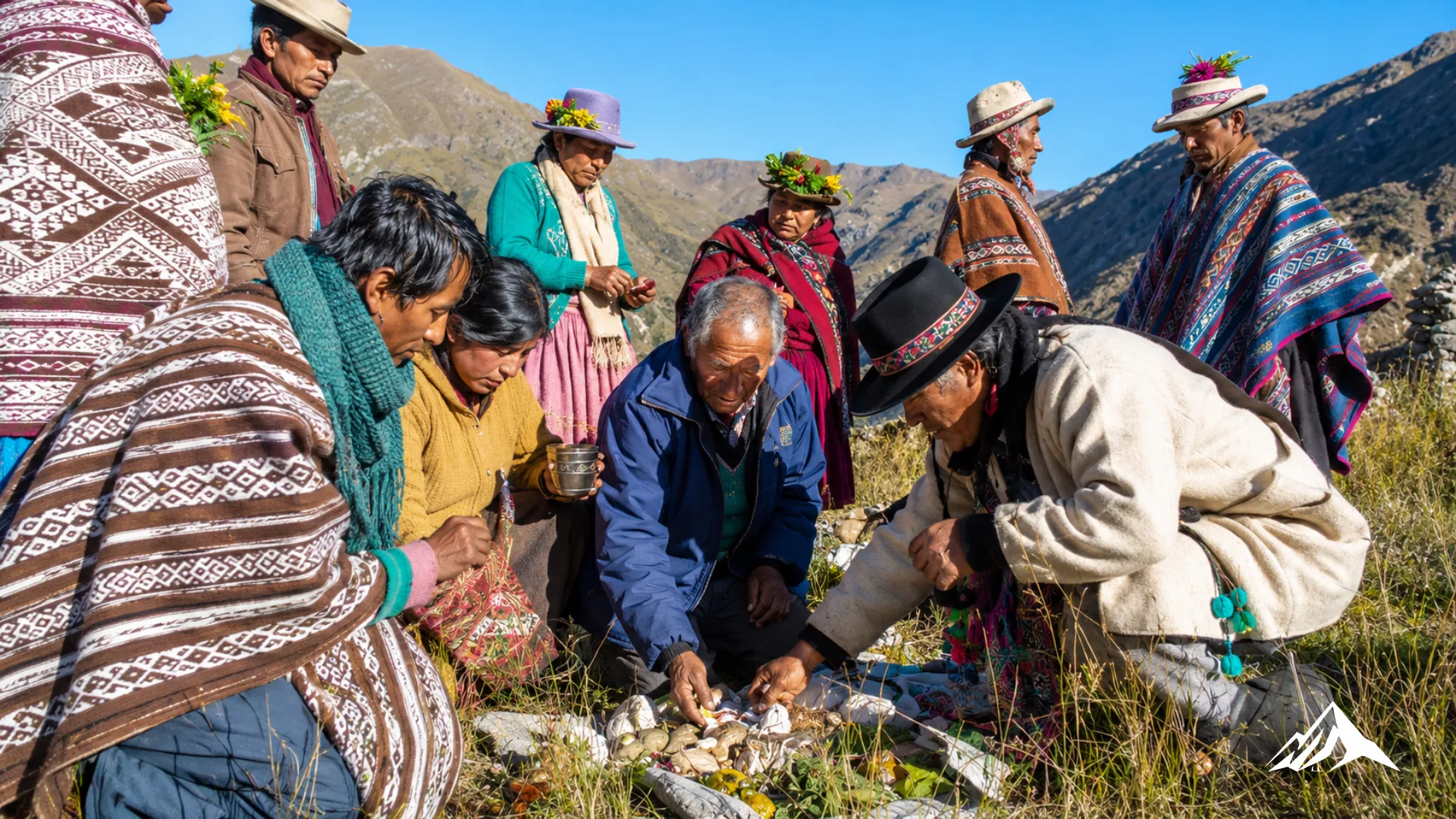
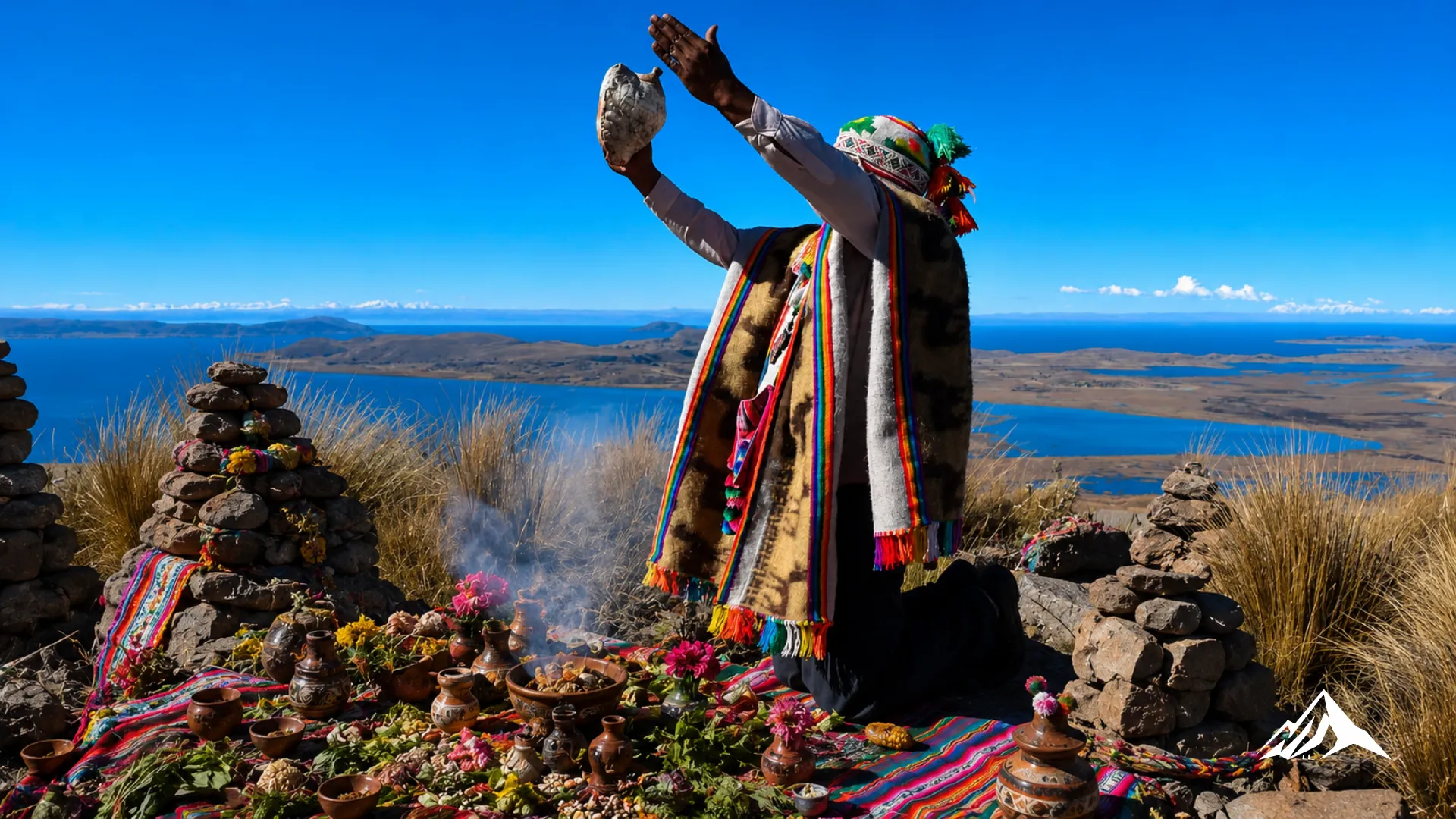
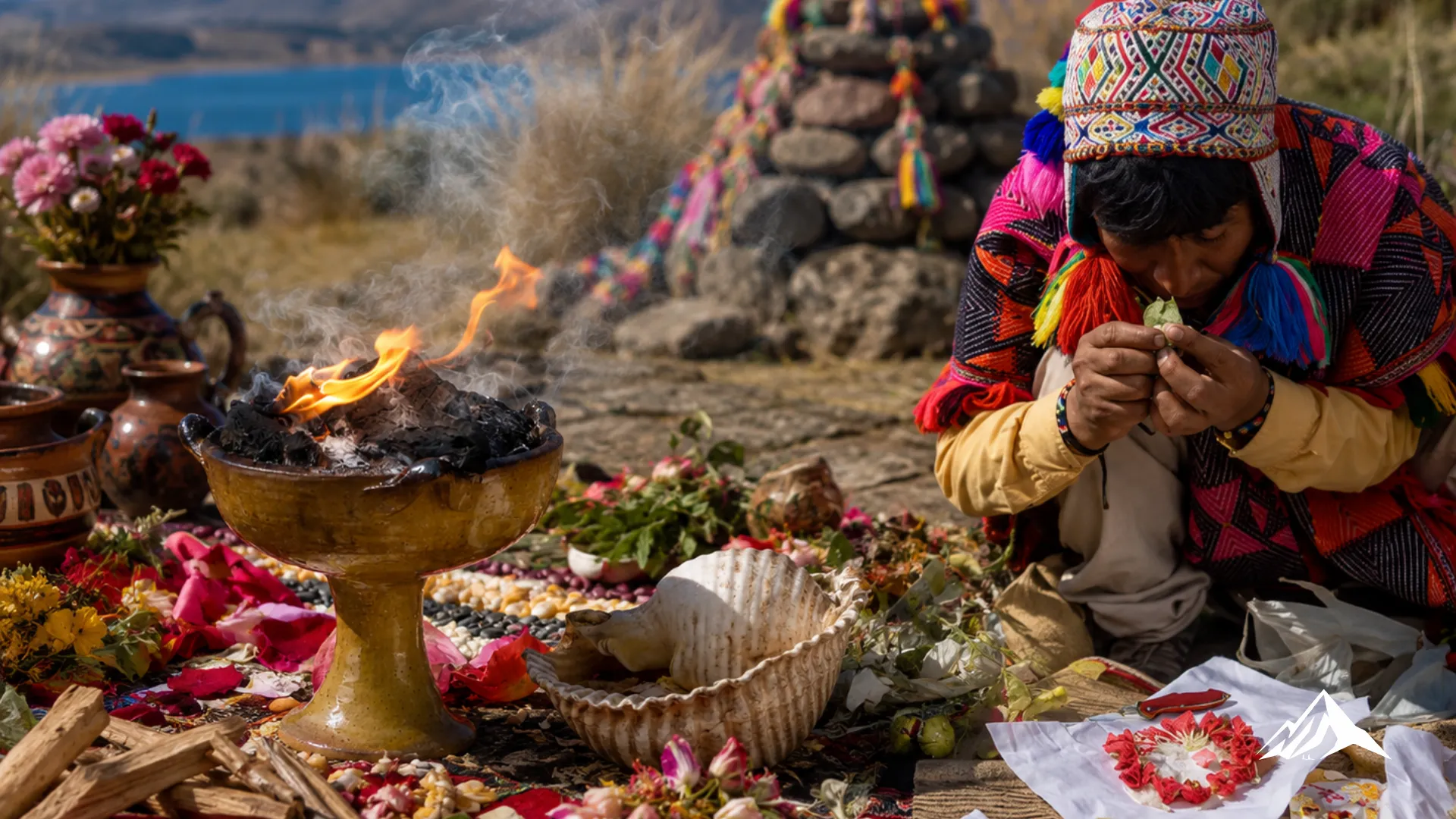
If you have ever wondered what a Pachamama ceremony is, you should know that it is the most fundamental of all Andean rituals: an offering to Mother Earth. Locally known in Cusco as Pago a la Tierra, this ritual is a profound expression of gratitude for the life, nourishment, and protection that Pachamama provides us unconditionally.
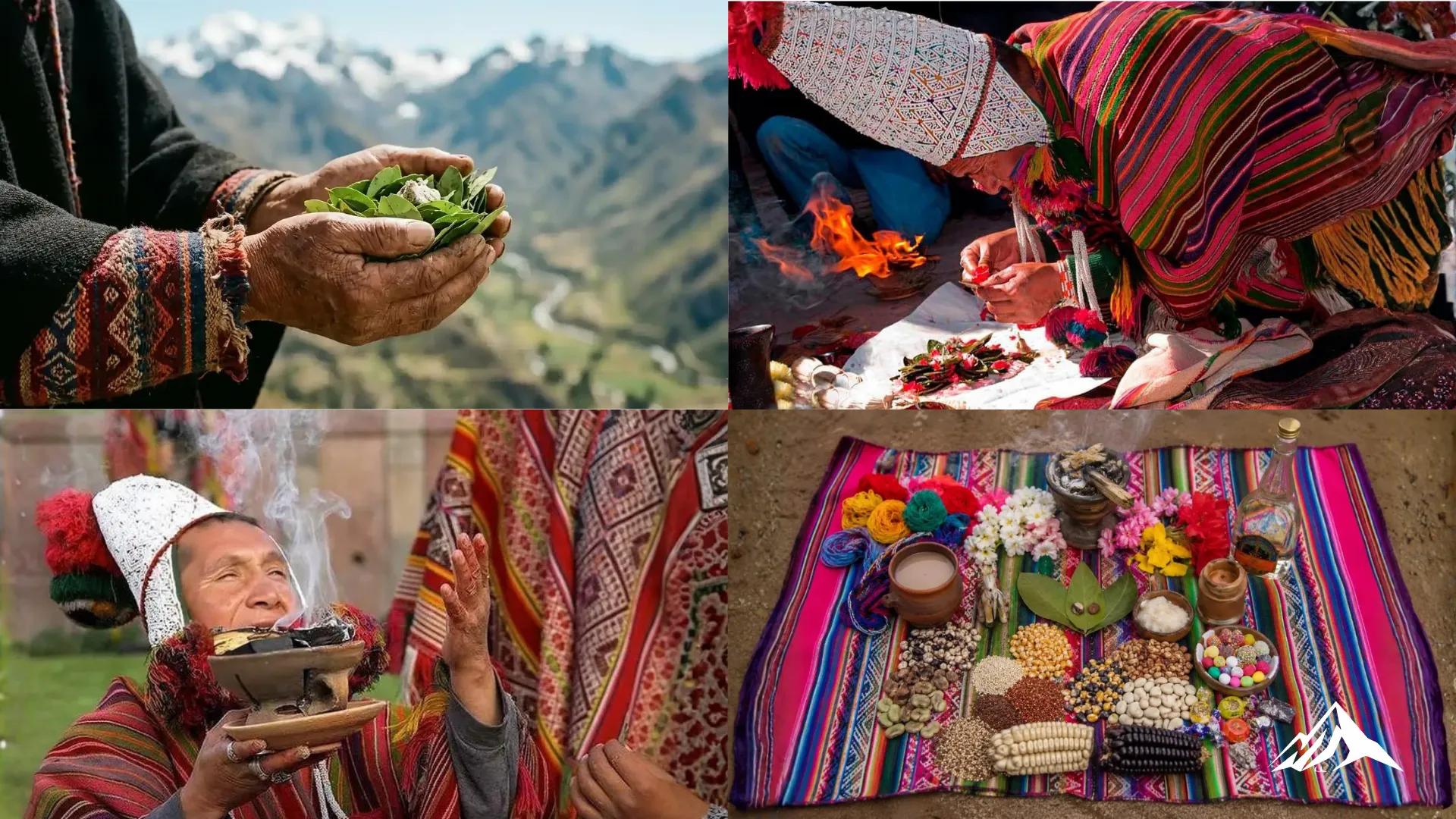
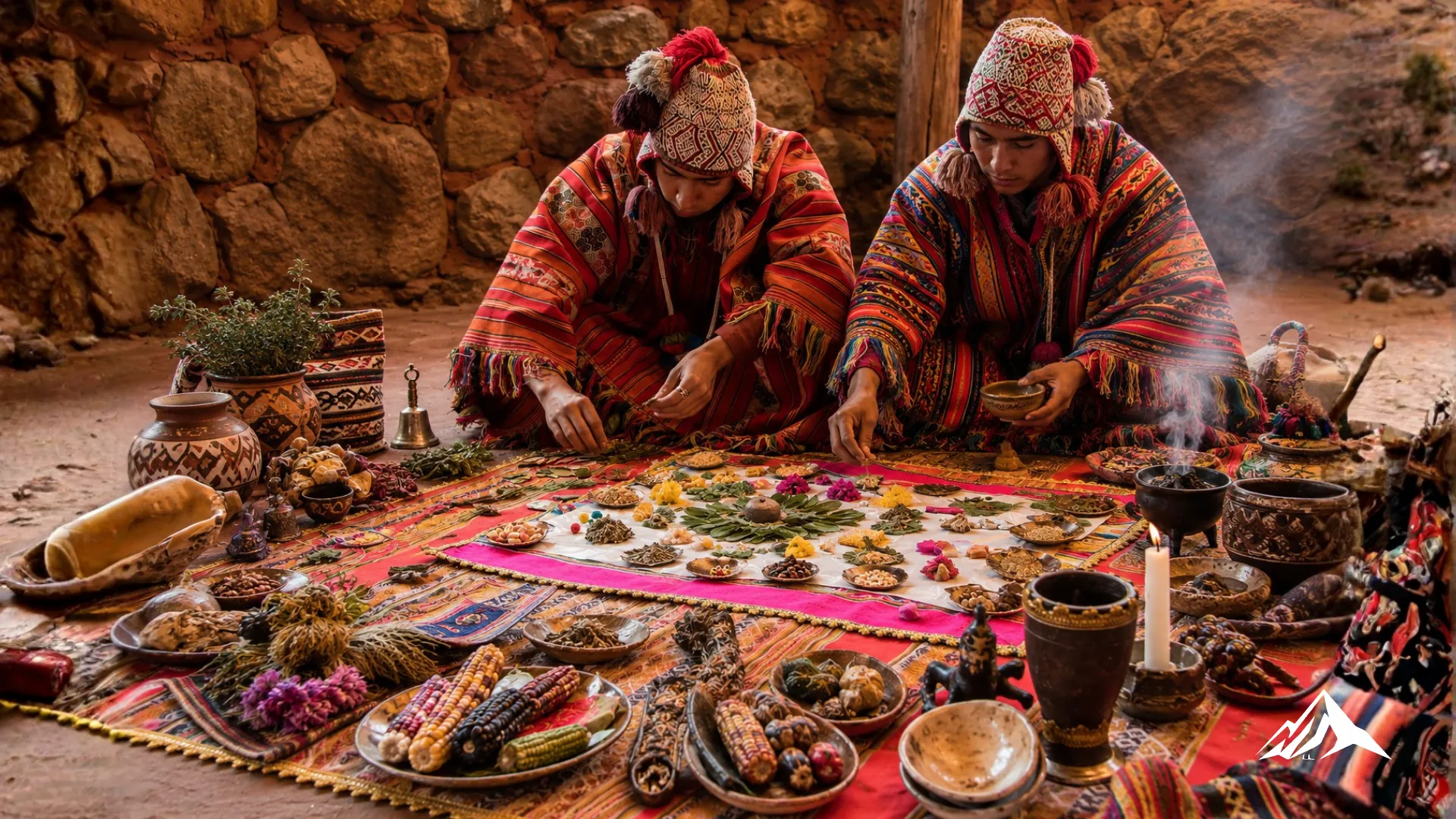
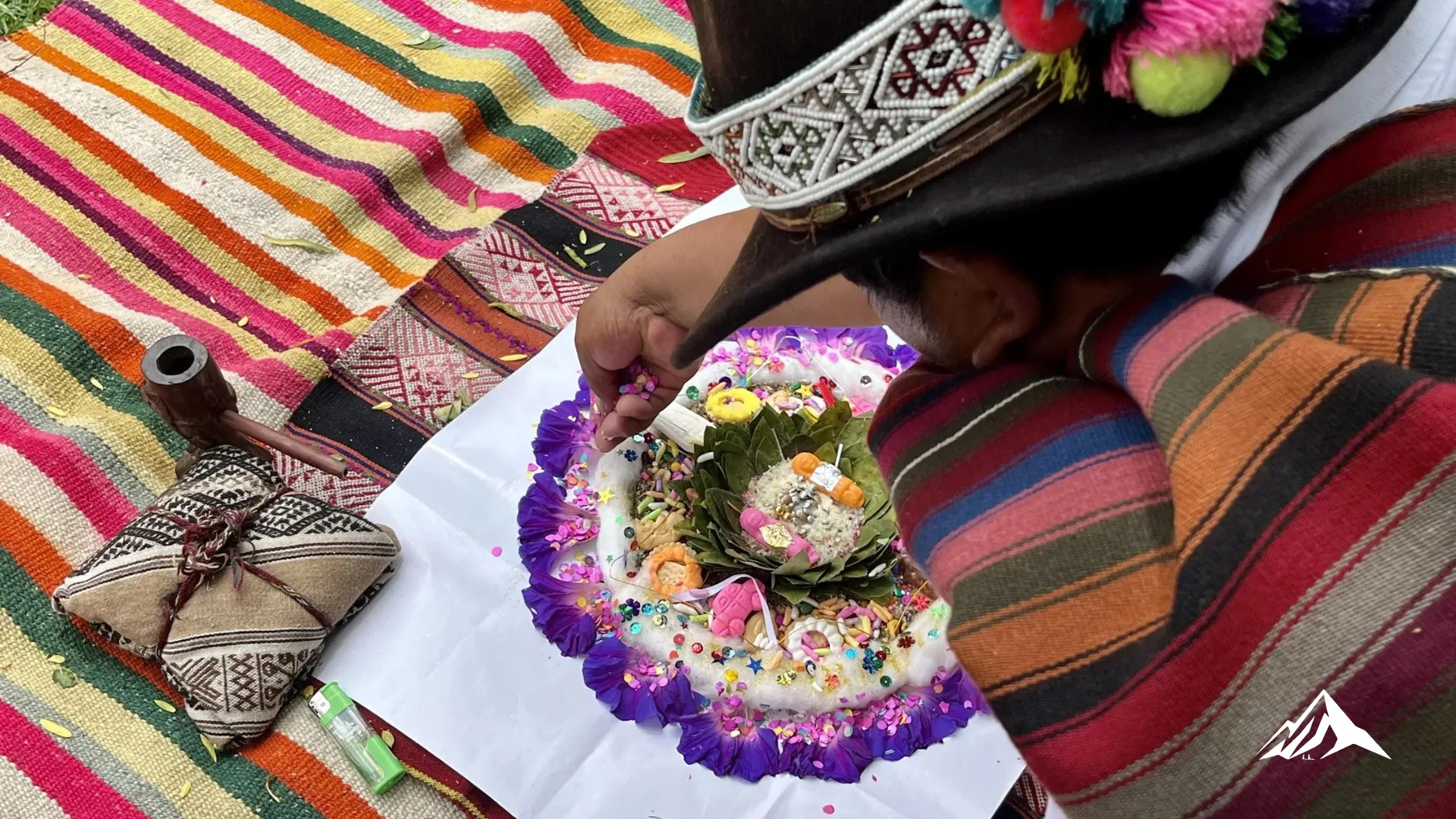
The heart of this ritual is the Despacho. The meaning of the despacho ceremony lies in its careful preparation; it is a colorful bundle and a beautifully arranged mandala made with natural elements, each one carrying specific intentions. If you join a ceremony, you will see the Andean priest carefully arrange the following list of ingredients:
- Coca Leaves (K'intu): Consists of three perfectly intact coca leaves joined together in the shape of a fan. They represent the connection between the three worlds (the heavens, the earth, and the underworld).
- Sweets and seeds: Represent a joyful future, abundance, and the “seeds” of our intentions.
- Incense (Copal/Palo Santo): Used to elevate prayers through the smoke.
- Colored threads: Serve to unite our wishes with love.
Once the offering is complete, the despacho is burned or buried, returning its energy directly to the Earth. It is a sensory experience marked by the crackling of the fire, the aroma of herbs, and the rhythmic chanting of the Paqo.
Coca Leaf Reading and Energy Cleansing
Before any trekking experience or deeper ritual, the Andean worldview offers rituals for personal guidance.
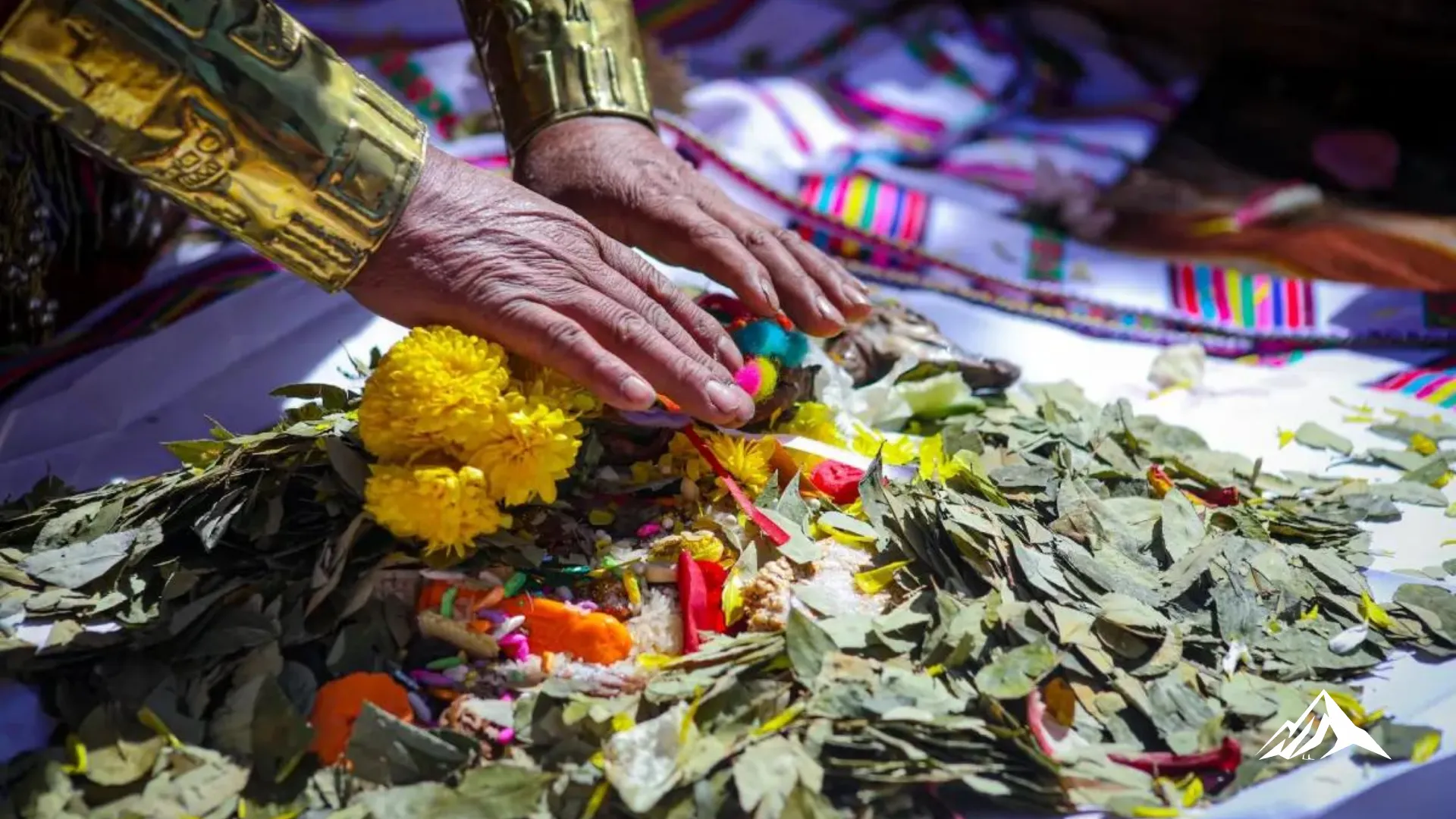
Divination: The meaning of coca leaf divination is connected to the search for guidance in the natural world. During a coca leaf reading in Peru, the shaman throws the sacred leaves and interprets their patterns to provide insight into your health, relationships, and spiritual path. In addition, it helps you establish your "Sankpa" (willpower) for the rest of the journey.
Andean cleansing ritual: The reading is often combined with a cleansing ceremony, which uses medicinal herbs, smoke, and stones to clear stagnant energy and restore your spiritual balance.
Important note: A genuine coca leaf reading or cleansing ritual requires participants to refrain from consuming alcohol and heavy meals beforehand in order to maintain their energy clear and receptive.
Ancestral Healing: Ayahuasca vs. Huachuma
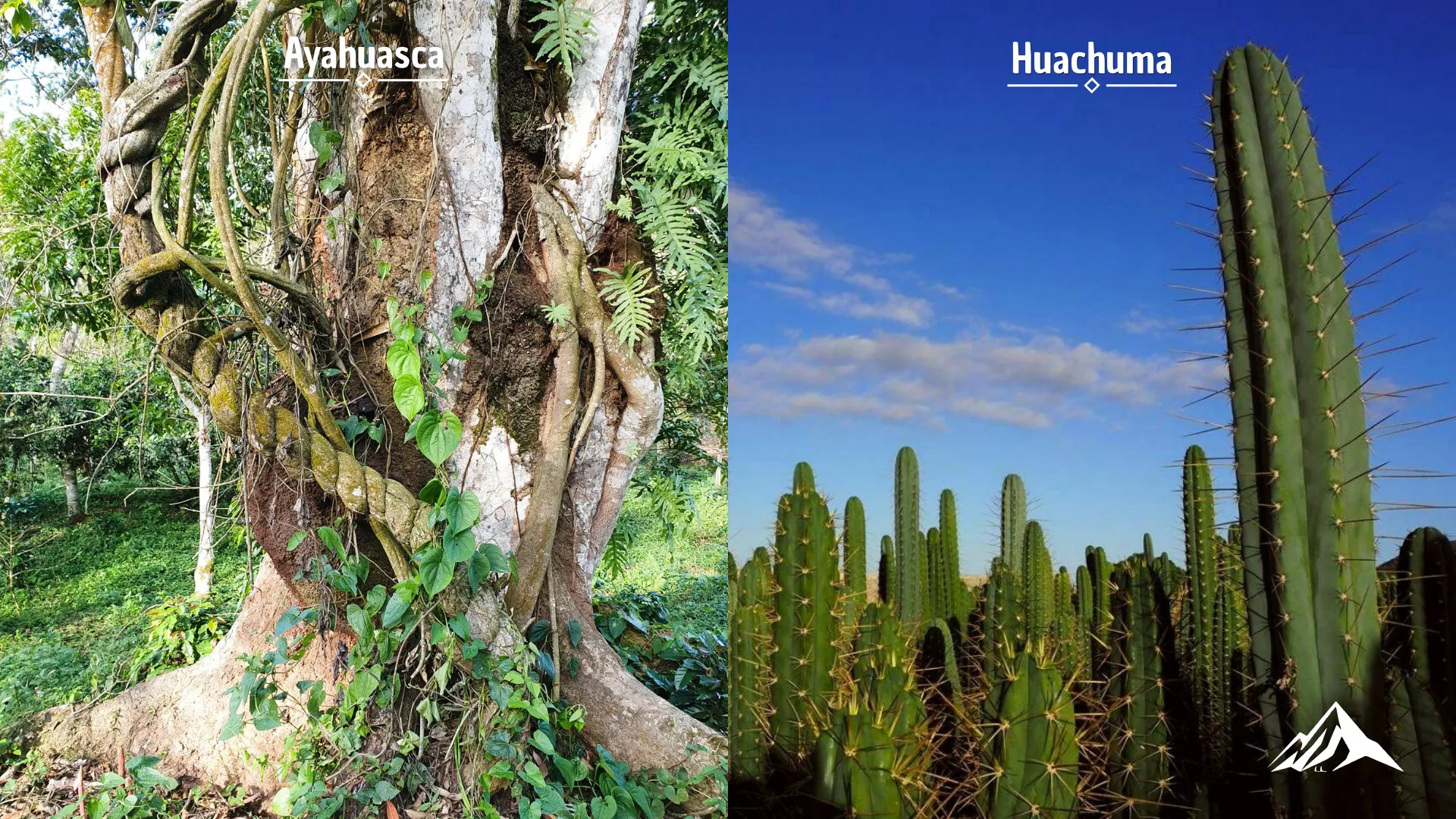
For those seeking a profound “reset,” the Andes offer powerful ancestral healing rituals with master plants. However, it is essential to understand the difference between the two main medicines:
| Feature | Ayahuasca | Huachuma (San Pedro) |
| Origin | Jungle vine + leaves | Andean cactus |
| Energy | Feminine, “Grandmother,” intense | Masculine, “Grandfather,” heart opening |
| Duration | 4–6 hours (usually at night) | 8–12 hours (usually during the day) |
| Focus | Shadow work, purging, introspection | Connection with nature, clarity, expansive love |
A San Pedro ceremony is usually held outdoors in the Sacred Valley, where the healing power of the Apus guides the journey. While Ayahuasca takes you into the depths of the psyche, Huachuma opens your eyes to the beauty and divinity of the external world.
Plant Medicine Safety Guide: Never participate in these ceremonies alone. Authentic Andean shamans have trained for decades; make sure your operator provides a prior assessment and a safe environment.
Sacred Unions: The Andean Wedding Ceremony
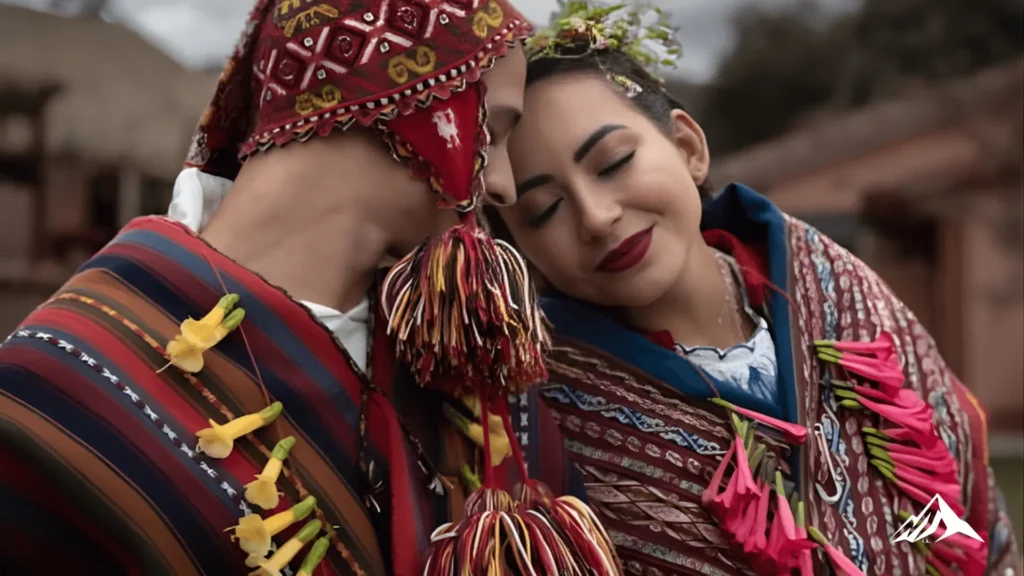
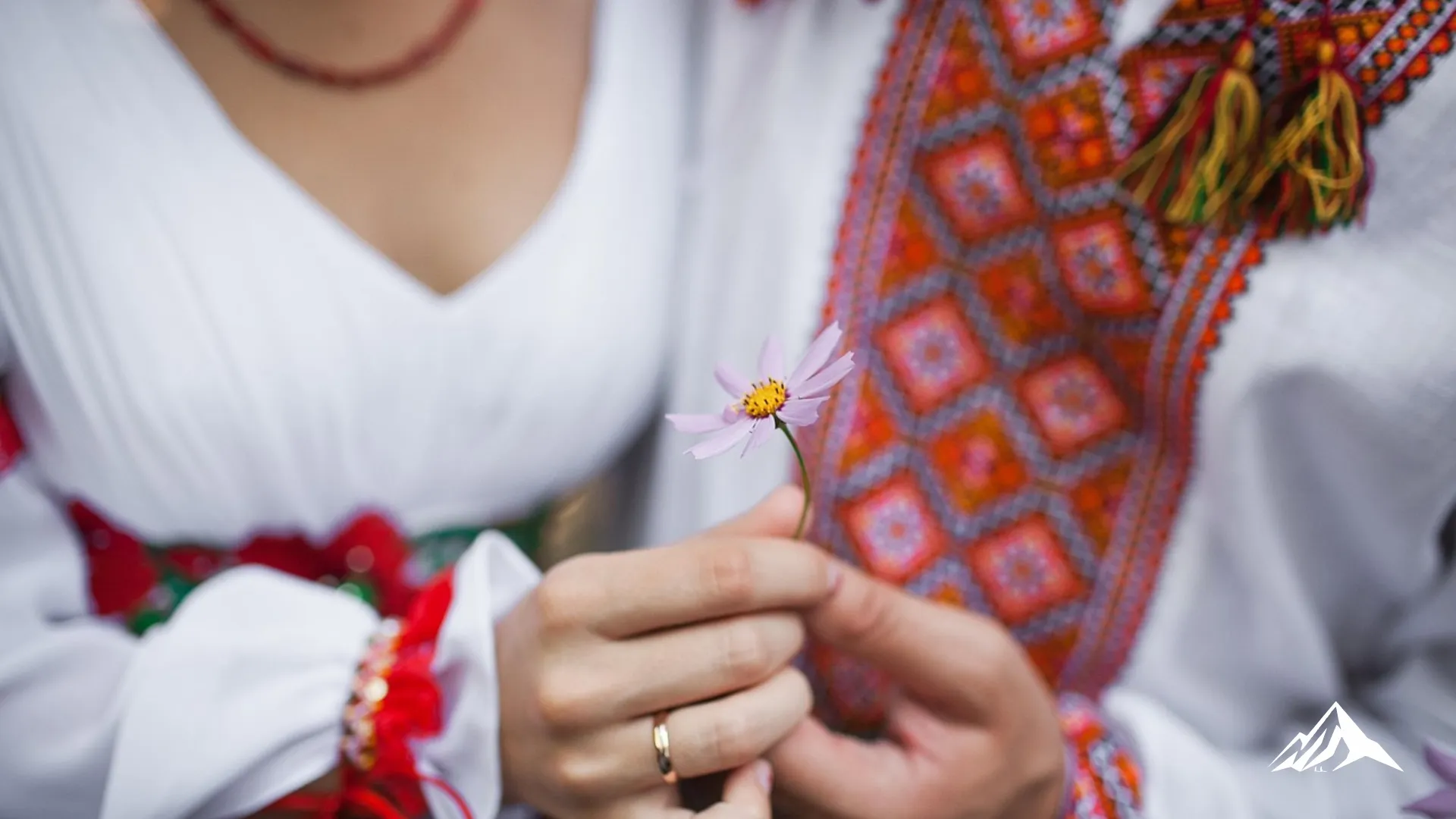
For couples seeking a deeper commitment, the Andean wedding ceremony in Cusco, known as Arac Masin, is an unforgettable alternative to a traditional wedding. Instead of a church or a legal contract, couples are married under the open sky in a spiritual union blessed by the Apus and Pachamama.
Complete Inca wedding packages include being united by a shaman with handwoven textiles, floral offerings, and the harmonious sounds of Andean instruments, creating a magical celebration.
Spiritual Retreats and Community-Based Tourism in Cusco
The environment where you experience these rituals is just as important as the ceremony itself. Energy healing in the Sacred Valley extends to every corner of the landscape. Many travelers seek spiritual retreats in the Sacred Valley or travel to the serene high-altitude landscapes of Mollepata. Here, you can meditate and rest in specialized geodesic domes designed with a crystal layer to observe the sky without obstruction; built specifically without overlapping roofs to keep you fully connected with the Andean stars.
In addition, participating in community-based tourism in Cusco ensures that your journey becomes part of a broader cycle of regenerative tourism in Peru. When you book cultural tours with AndeXperience Travel Agency or travel packages with Aura Andina, you are choosing ethical spiritual tourism.
We work exclusively with elders and local communities (such as Misminay), ensuring that ceremonies respect traditions and support indigenous families in a fair and meaningful way.
Spiritual Traveler Tips
Planning your spiritual journey requires some logistical preparation. Here are the essential elements for your preparation:
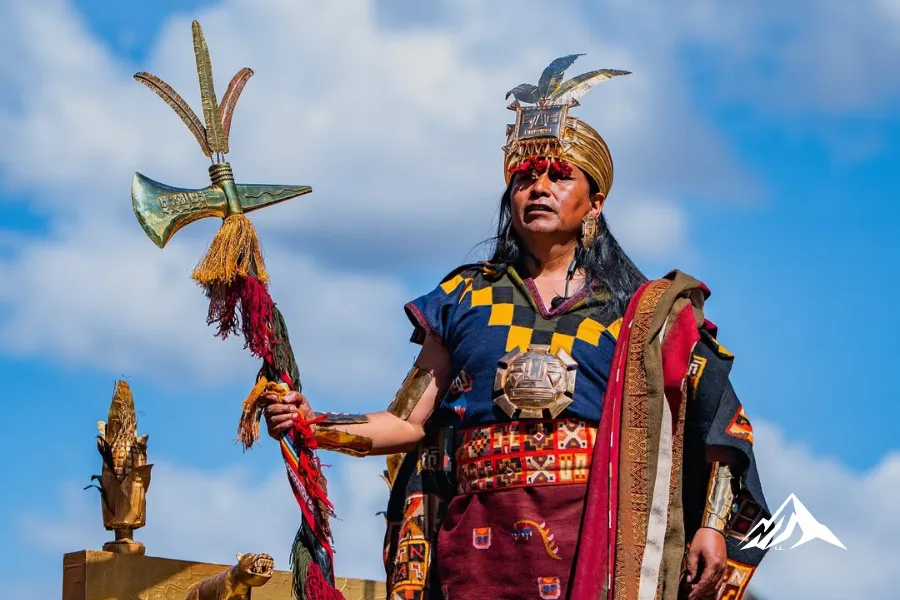
- Best time to visit: The dry season (May to October) is ideal for outdoor ceremonies. Specifically, August is considered the sacred month of Pachamama, as the earth is “thirsty” and ready to receive offerings. If you visit in June, the winter solstice ritual (Inti Raymi) showcases the peak of Inca ritualism and is a must-see experience.
- What to bring: Wear comfortable and warm layered clothing (the Andes are cold at night!) in neutral colors as a sign of respect. Bring a personal object to charge it with energy during the ceremony and, above all, an open mind and an open heart.
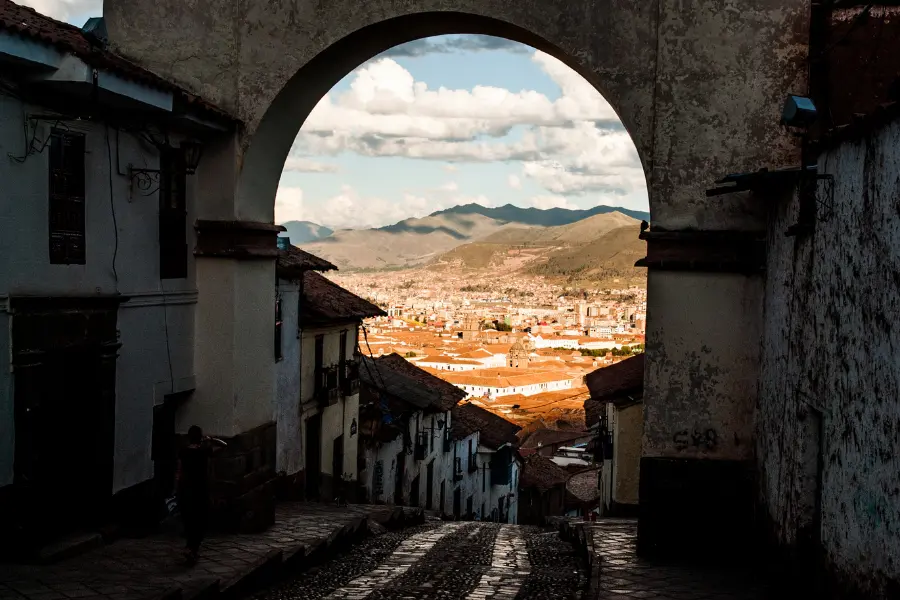
- How to get there: Most spiritual journeys begin in Cusco. From there, private transportation is highly recommended to reach retreats in the Sacred Valley (Pisac or Ollantaytambo), Huasao, or high mountain passes.
- Where to stay: Choose boutique hotels in the historic center of Cusco or eco-lodges in the Sacred Valley to maintain a peaceful state of mind.
- Ethical Tourism: Always ask for permission before taking photos of healers or during sacred ceremonies. Always approach these rituals with deep respect.
Explore More with AndeXperience
At AndeXperience Travel Agency, we believe that traveling through Peru also means connecting with its spiritual and cultural heritage. Our Andean ceremonies are authentic experiences, guided by local sages and Andean masters who preserve ancestral traditions passed down from generation to generation. Each ritual is an opportunity to give thanks to Pachamama, find balance, and understand the worldview of the Andes.
Discover more spiritual and cultural experiences in Peru:
- Flower cleansing ceremony and aromatherapy in Cusco
- Andean wedding in Cusco
- Community-based tourism with Andean communities in Cusco
- Peruvian Traditions Every Traveler Should Know
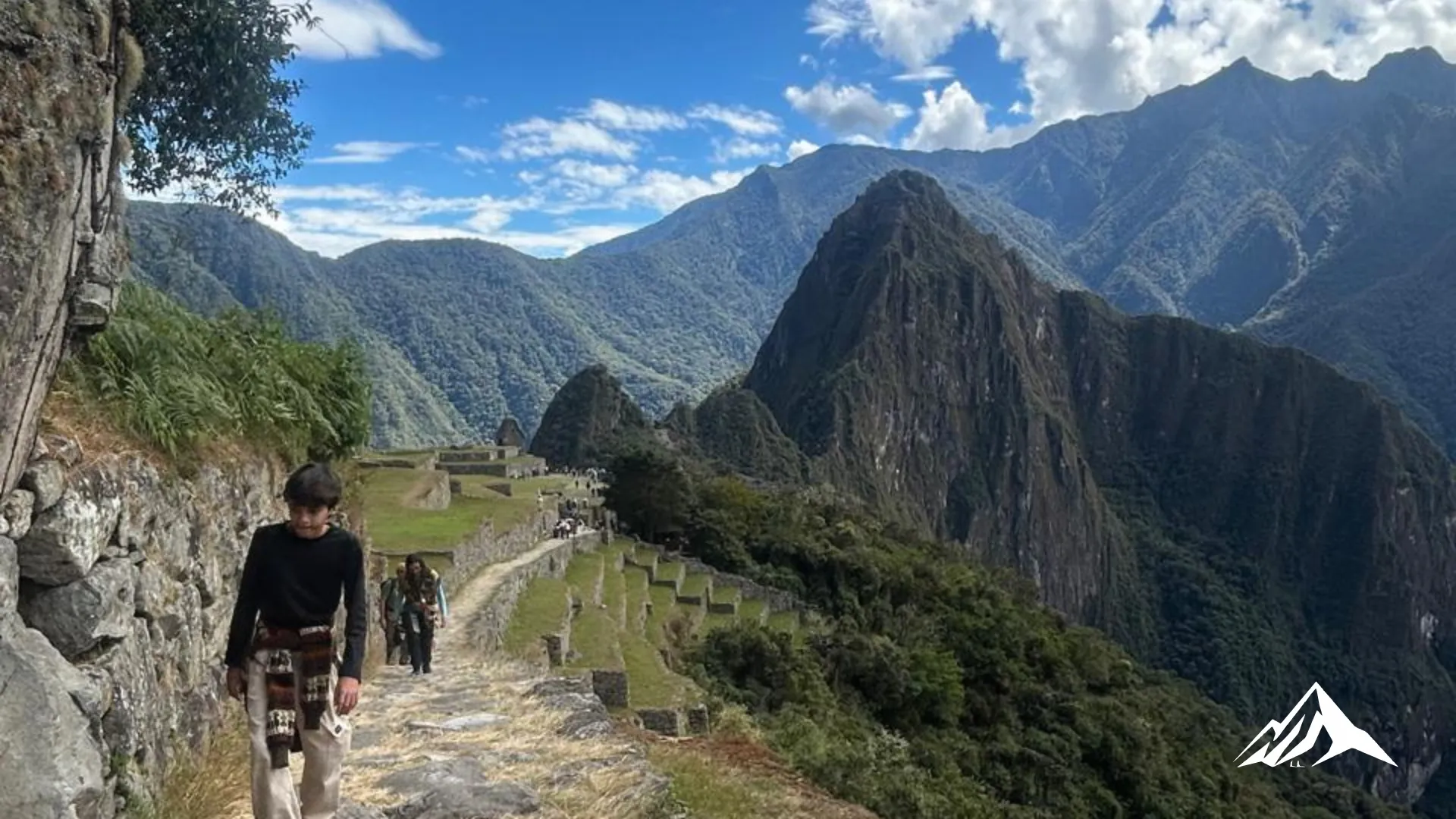
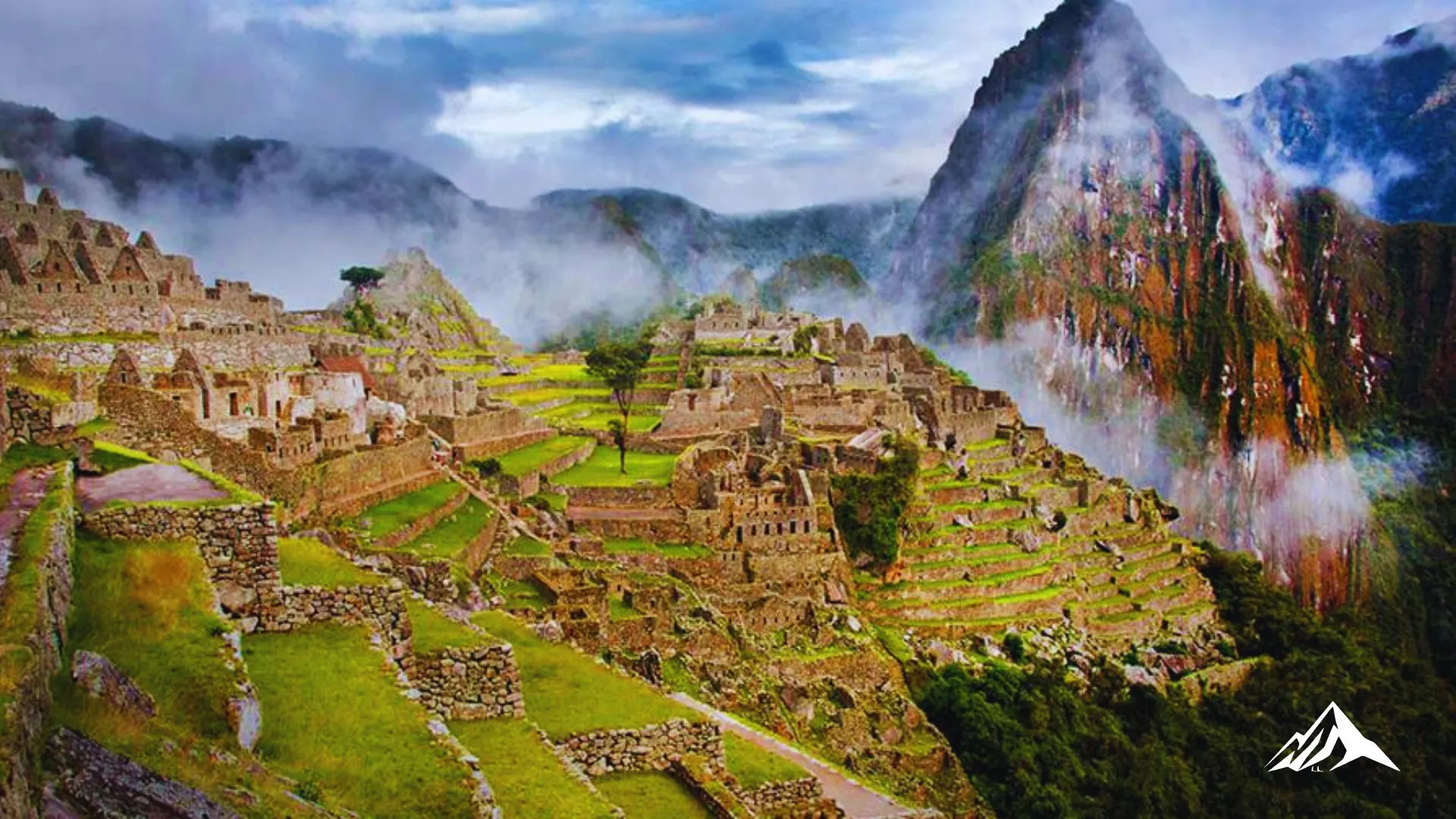
The Andes call you, not only to your sense of adventure, but also to your spirit. From the sacred geometry of the Incas at Machu Picchu to the profound silence of a Pachamama ceremony, Peru offers the opportunity to reconnect with what truly matters. This is not just a vacation; it is a return to the origin. Let the mountains speak to you and allow ancient rituals to cleanse your path.
As the best spiritual travel agency in Cusco, we are dedicated to providing authentic community-based tourism experiences.
Discover this experience with AndeXperience Travel Agency.
Book your next adventure with us and experience authentic Peru.
Related blog